Founder mental health shapes nearly every aspect of our day-to-day, especially during those intense high-growth seasons that push the entire Phoenix tech ecosystem to new heights. If you’re reading this as a founder, operator, or partner, you probably understand the pressure - scaling fast, working late, and juggling community expectations. Here at Freeway, I hear from people like you every week, sharing real stories of building, leading, and learning. We’re not talking about abstract concepts; these are your friends, coworkers, and maybe even yourself, trying to navigate success without burning out.
Recent data points to founder mental health as a growing concern in our sector. Studies show that 72% of startup founders report mental health challenges, with nearly 37% mentioning ongoing anxiety. More than half reveal they’ve felt burned out in just the past year. Nearly half considered stepping away from their company in 2024. For something so fundamental, support remains hard to access - just 7% of those facing mental health issues reported receiving meaningful help. These numbers put it plainly: founder wellbeing isn’t just lip service; it’s the future of sustainable business in Phoenix. If you want to dig deeper, this overview highlights the urgency, while A2D Ventures breaks down the stats.
With high-growth seasons in the Phoenix startup ecosystem, the stakes only get higher. It’s not just about juggling tasks or responding to emails - it’s a constant stream of decision-making, resource balancing, and responding to fast-evolving board priorities. Researchers often call it emotional brutality mixed with actual hope. No surprise then that burnout numbers keep going up, while the pace rarely slows to make room for self-care. Even here in Phoenix, where the startup scene feels tight-knit and vibrant, cookie-cutter mental health programs rarely fit. If you’re looking for insights tailored to our region, the Phoenix Brands story on founder burnout is an eye opener.
Here’s where I see momentum. In Phoenix, founder mental health is treated as something we all own - not just a personal burden. There’s a local shift toward support systems built on real relationships and community responsibility. Several Phoenix-based teams are introducing AI-driven platforms that weave together technology and new healing approaches, making professional support accessible for busy founders. The Founder Mental Health Pledge movement reframes check-ins as basic hygiene for founders - just like performance metrics.
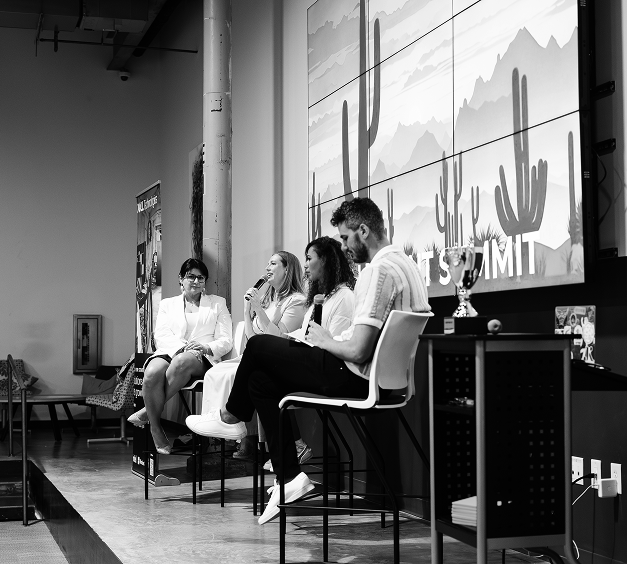
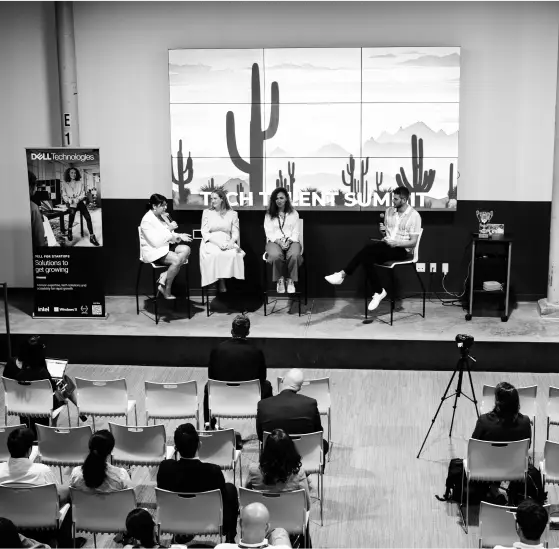
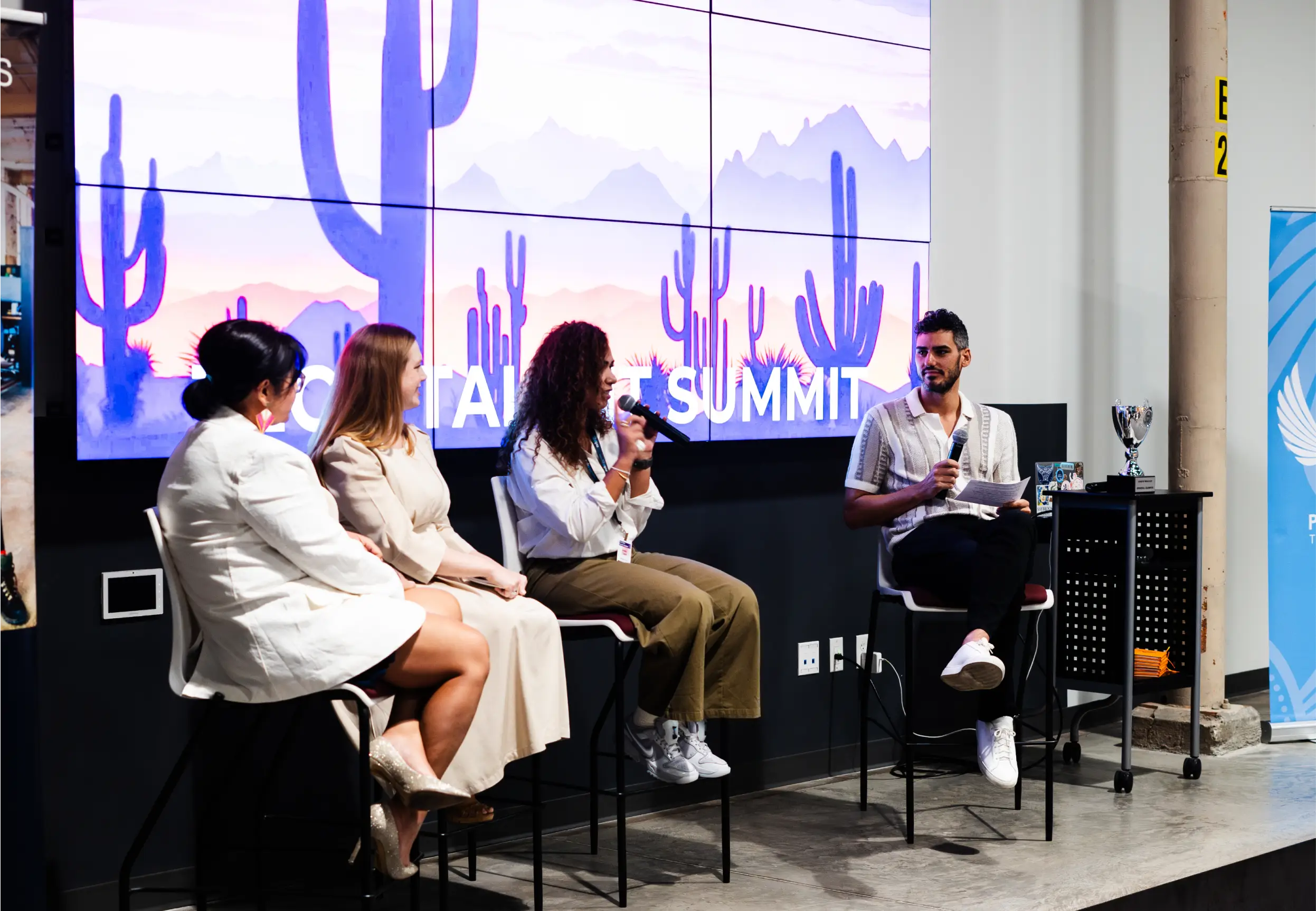
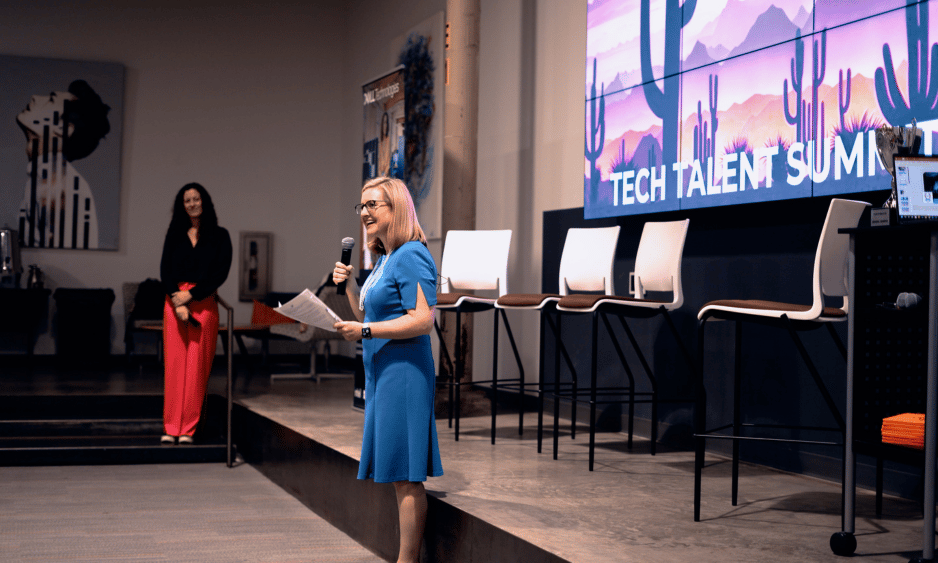
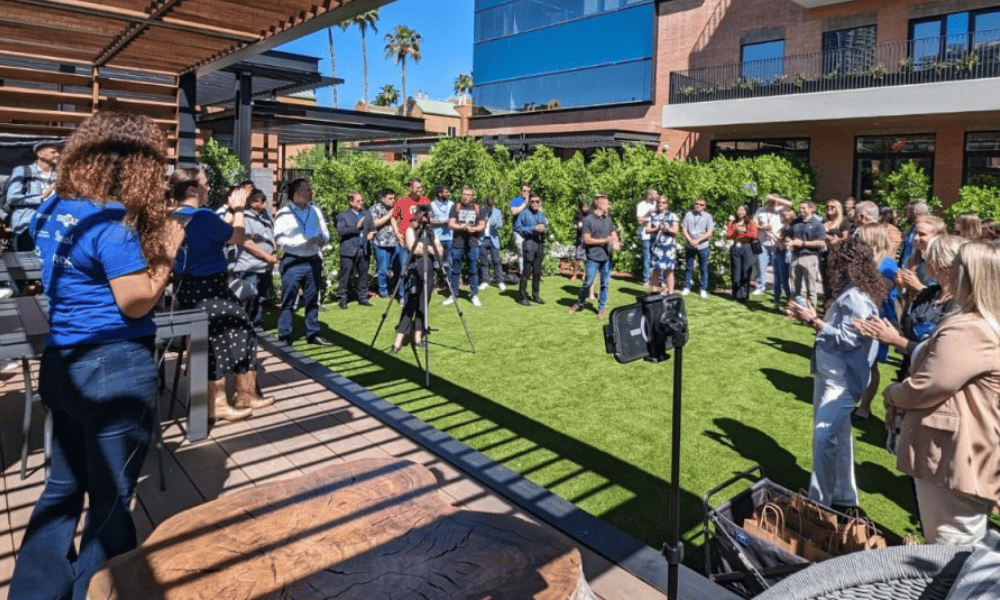
Through Freeway’s Trusted Community, our operator groups, and the ongoing Talent, Capital & Community series, founders are opening up, sharing what’s really happening behind the scenes, and discovering actionable methods to decompress. The value here is not simply being in a room - it’s participating in a network that values every member, where sharing a challenge feels as normal as celebrating wins.
Personally, I find the blend of personal care and collective support most effective. Phoenix founders don’t just power through solo - they incorporate day-to-day routines, take pride in small milestones, and lean into peer groups for meaningful perspective. Peer support goes beyond any single one-on-one interaction because you’re surrounded by others who understand the journey.
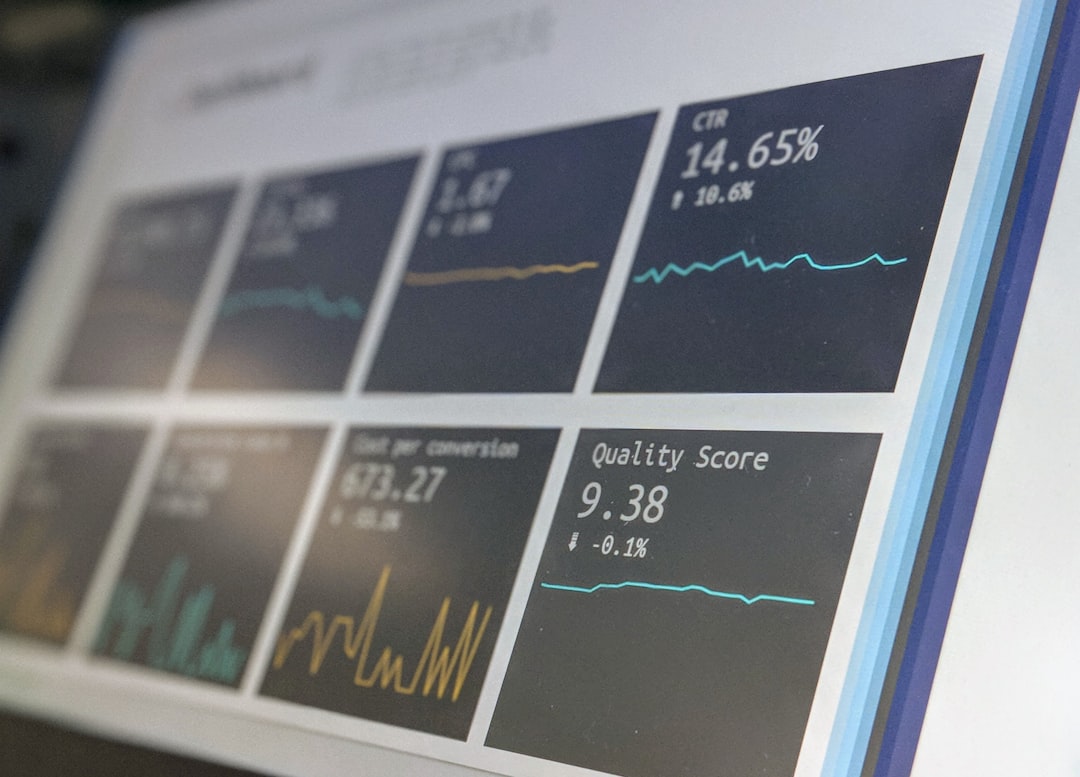
For example, our Weekly Rhythm for Momentum gives users a way to set intentions and measure progress together. Other founders connect through mastermind groups, high-vibrancy events, and digital dashboards. The Freeway Dashboard helps you spot new opportunities, resources, and support networks that put mental wellbeing in plain view - not a hidden afterthought.
Investor interest in founder mental health is rising in Phoenix, too. Some of our most forward-thinking partners now offer mental wellness stipends, access to professional coaching, or workshops specifically geared toward founders. However, industry research shows that most founders still don’t get direct support from their investors - highlighting just how important broader ecosystem education remains. At Freeway, we aim to embed founder mental health into conversations at every level, from the boardroom to the main stage. To see how Phoenix’s approach to innovation relies on relationship-driven growth, I recommend checking out our Networking Stack guide.
At Freeway, I firmly believe that when founders are resilient, the whole ecosystem gets stronger. Phoenix’s commitment to relationship-driven, community-first support proves that startup growth thrives in trusted rooms, not just in hustle. If you’re looking for a way in, join the network or come to an upcoming event. It’s where talent meets capital and community. Real support is just one honest conversation away.






























.png)


.png)
.png)



Where talent meets capital and community





















.png)