Arizona workforce development tech really stands at the center of a movement that’s reshaping every major sector inside our state. From where I sit as the founder of Freeway, it’s striking to see how these coordinated pipelines - deliberately built through public-private teamwork - are connecting people, skills, and opportunities in real time. If you’re running a company, launching something new, looking for higher-signal roles, or partnering to drive change, you’re in the right state at the right moment. Plugging into Arizona’s tech ecosystem has never felt more practical or more relevant.
Here in Arizona, workforce innovation is about much more than curricula and certifications. What you’re really seeing is a connected ecosystem - one where tech, talent, and community partners move together. The Future48 Workforce Accelerators initiative is core to this approach. Rather than running siloed programs, these accelerators blend the strengths of our community colleges and major tech employers, building training with direct input from the employers people want to work with.
This isn’t theory. When companies - think semiconductors, advanced manufacturing, healthtech - literally shape what’s taught and how talent is trained, graduates walk out job-ready. Arizona workforce development tech is setting a standard for how these bridges should actually work, not just in policy but in the rooms where hiring decisions get made.
Let’s put this into context using the semiconductor story, since the sector is a current engine for Arizona’s economic evolution. The growth you see, especially around Phoenix and Chandler, isn’t happening by accident. Take TSMC’s recent Registered Apprenticeship Program in Phoenix. This is a $5 million bet, but more importantly, it’s a blueprint: build deep partnerships between global industry, state leaders, and institutions like Arizona State University and Maricopa Community Colleges - so that skills match up with real jobs.
Why does this matter? When TSMC’s president for Arizona points to these connections as essential, it’s a signal that our employer-driven, public-private model is more than a local experiment. You can dig into Governor Hobbs’ latest semiconductor initiative announcement here. And TSMC isn’t alone. Intel also launched its first-ever U.S. registered apprenticeship for semiconductor tech roles right here, united by backing from the Chandler Economic Development team. No matter where you enter the field, the networked pathway from education to employment is getting clearer, and it’s built to scale.
Defense tech talent in Phoenix is benefitting from this same model. Our region has a long heritage in aerospace and defense, but what’s new is how apprenticeship and training programs now align tightly with actual hiring needs. The Future48 Workforce Accelerators run hands-on development targeted at the kinds of roles being urgently filled by defense manufacturers.
There’s a quiet creativity here. Programs developed with the Phoenix Business Workforce Development Board, Maricopa Community Colleges, and employers allow the curriculum to shift quickly alongside sector needs. Recent recognition at SEMICON West highlights how these public-private models are attracting national attention. Behind every award is the day-to-day dedication of educators, employers, and civic partners co-designing solutions for high-demand roles.
Arizona’s healthtech workforce development is tightly woven into this employer-driven approach. At Arizona State University, microelectronics and biomedical training doesn’t run on autopilot; it gets constantly refreshed through input from healthtech companies and a focus on practical, lifelong learning. You can get a sense of this from their workforce development strategies hub.
But the picture is even broader. Job training in clean energy and medical technology tracks what’s actually happening in the field. National voices - from the White House to leading industry analysts - are spotlighting Arizona’s talent pipelines as examples that other states are eager to learn from.
If you’ve ever felt lost in a maze of disconnected events or noisy job boards, you’re not alone. That’s exactly why the Freeway Dashboard, which maps the Phoenix tech ecosystem, jobs, and funding streams, was built for clarity and accessibility. We aren’t just hosting mixers. We’re reducing friction, making connections actionable, and partnering with groups like Maricopa Community Colleges and the Arizona Commerce Authority to turn intention into visible, practical outcomes.
For founders hiring their first ops lead, for an engineer curious about healthtech, or for an investor aiming to back resilient companies, visibility into the full Arizona workforce development tech ecosystem is what truly moves the needle. As we’ve outlined in our overview on reducing startup hiring friction, ecosystem progress is only real when you connect the dots - educators, employers, founders, and civic partners all collaborating intentionally.
Big glass buildings are easy to spot, but you know what makes a difference? Investing in people, coordination, and relationships. The Freeway Dashboard is updating constantly, reflecting new companies, qualified talent, investor activity, and funding flows. What’s really energizing is seeing local companies not just expand into chips, but build pathways that connect careers in semiconductors, defense, and healthtech - even if people didn’t start there.
Programs like those driven by the SEMI Foundation are making room for new faces and backgrounds in the industry. It’s this intentional, cross-sector movement that’s fueling not just Arizona’s growth, but its role in national dialogues about talent and industry innovation. If you want a closer look at the thinking behind our infrastructure focus, have a look at my recent LinkedIn post on scalable ecosystem design.
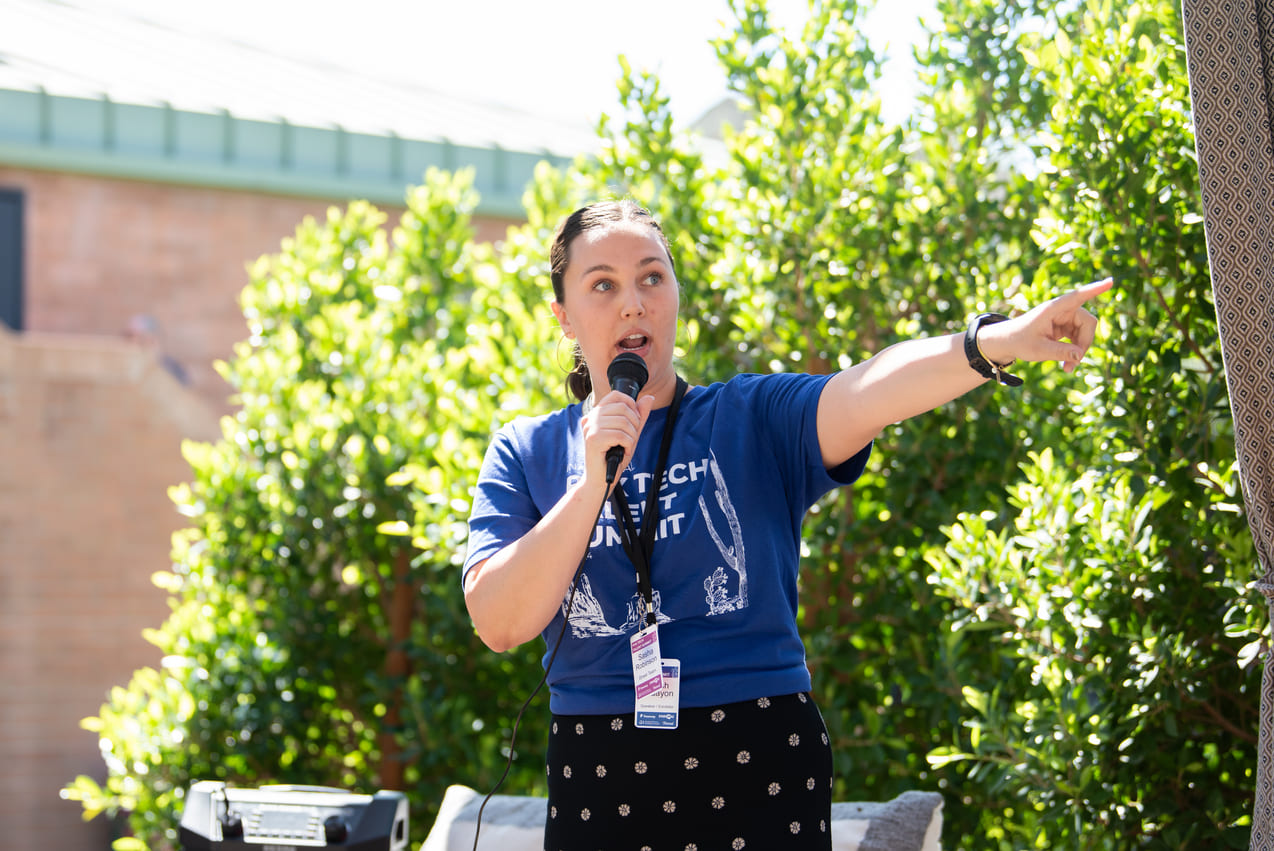
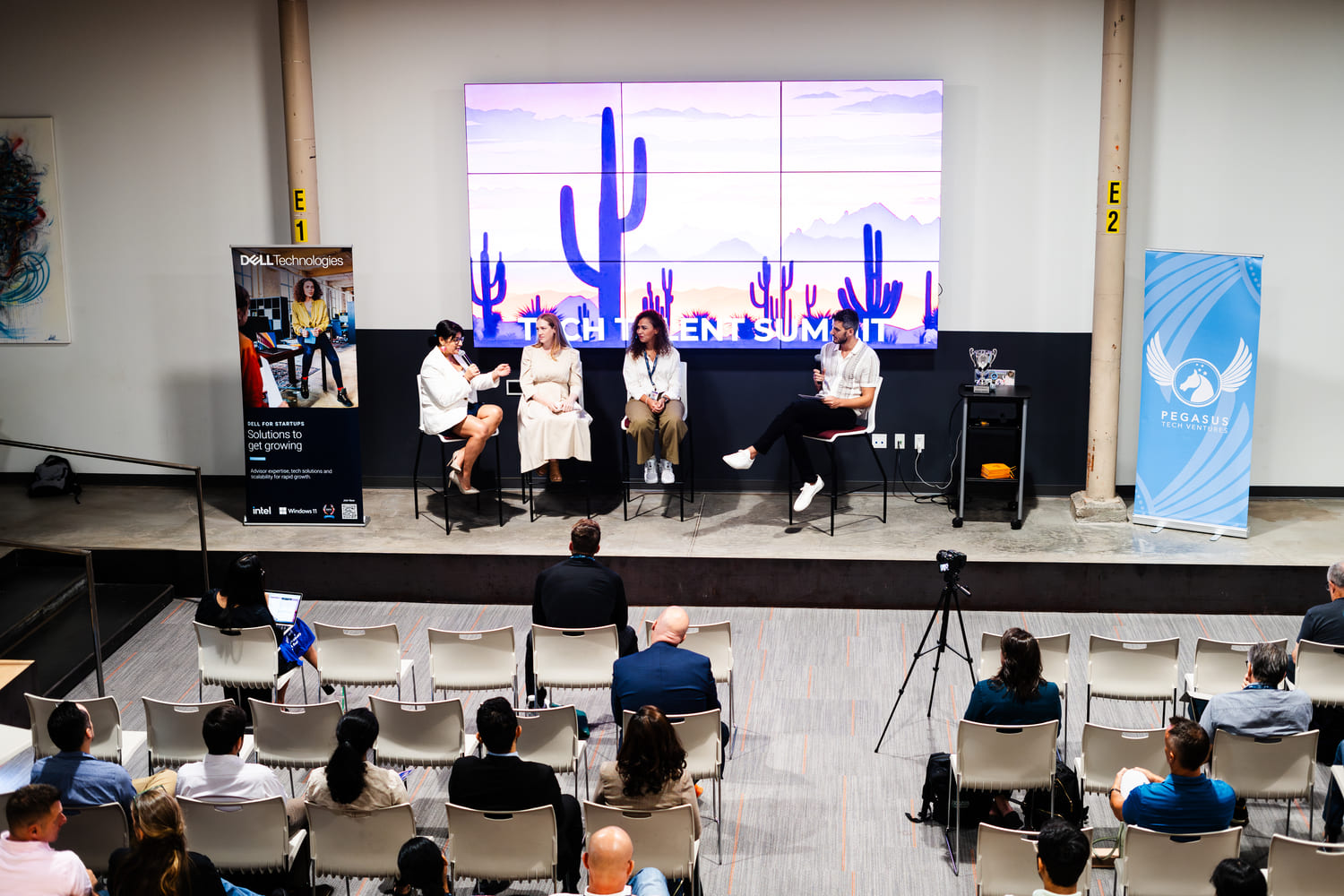
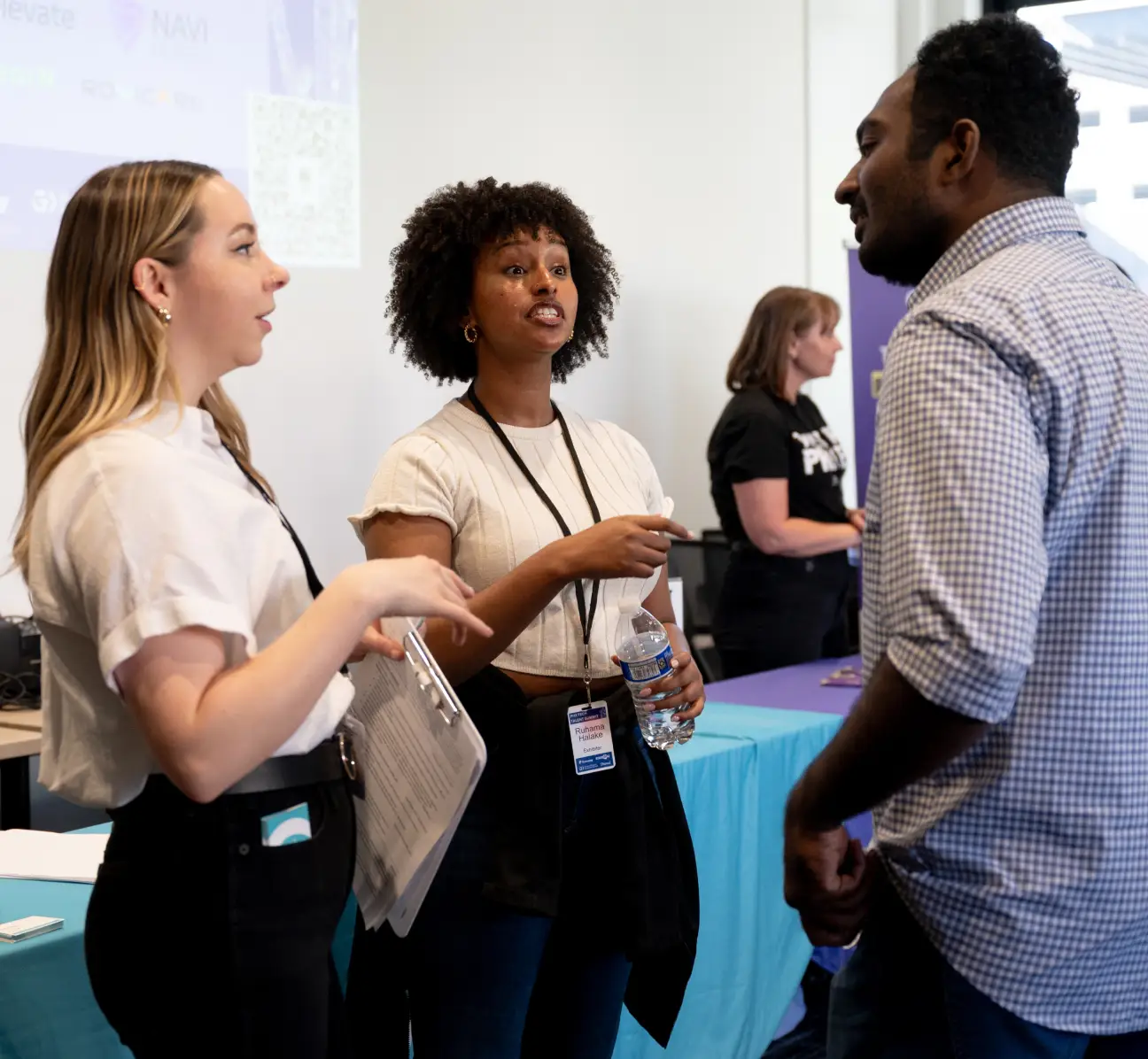
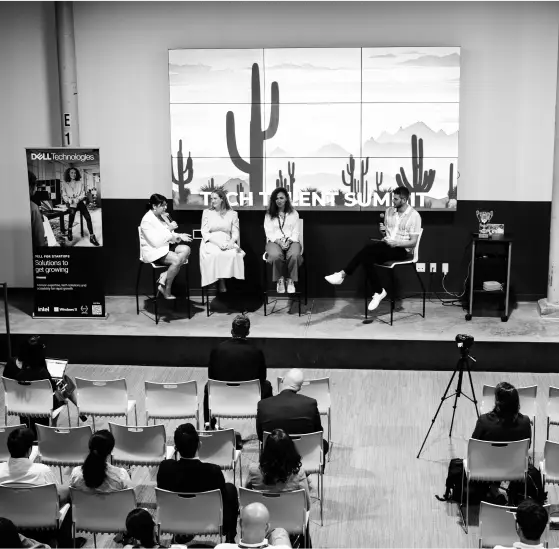
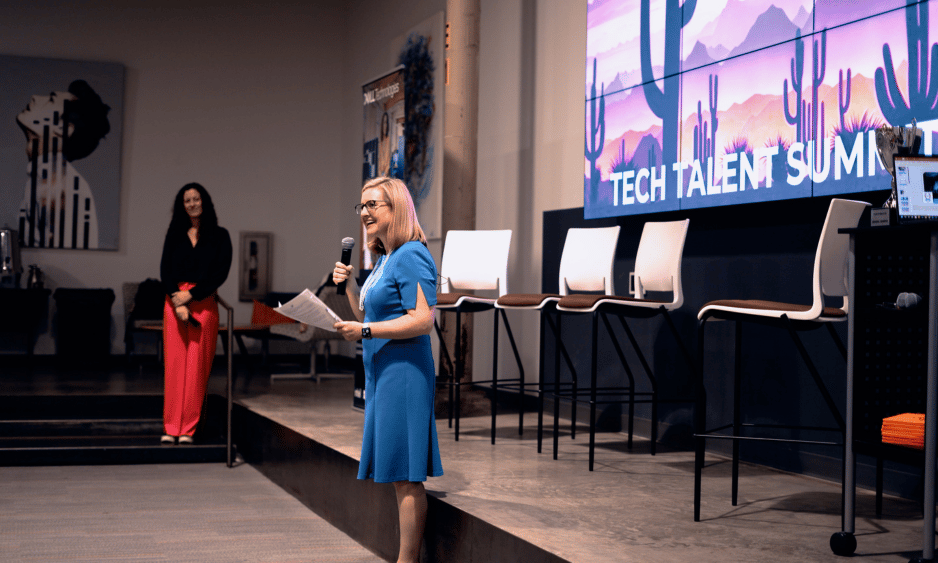
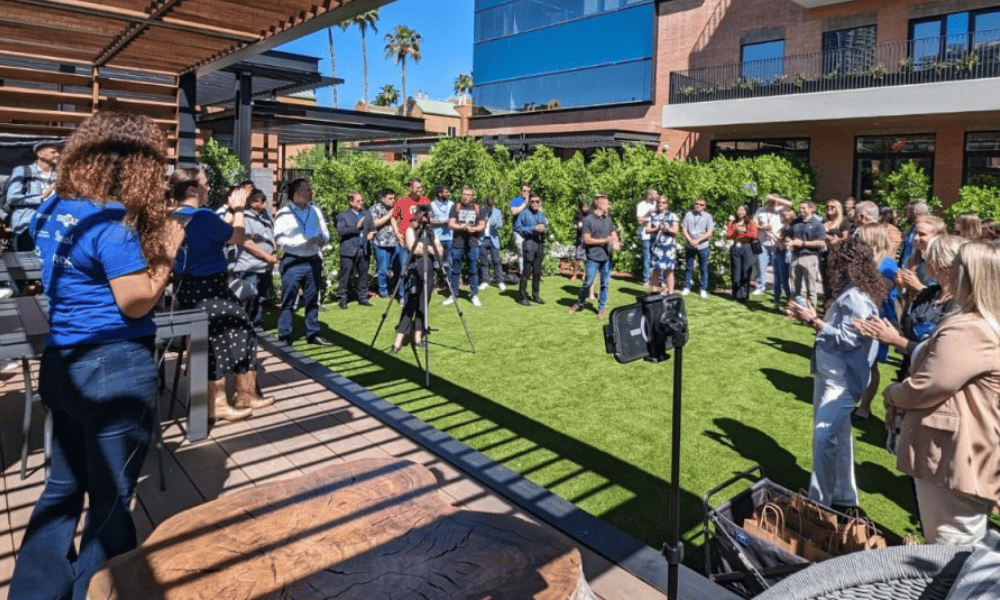
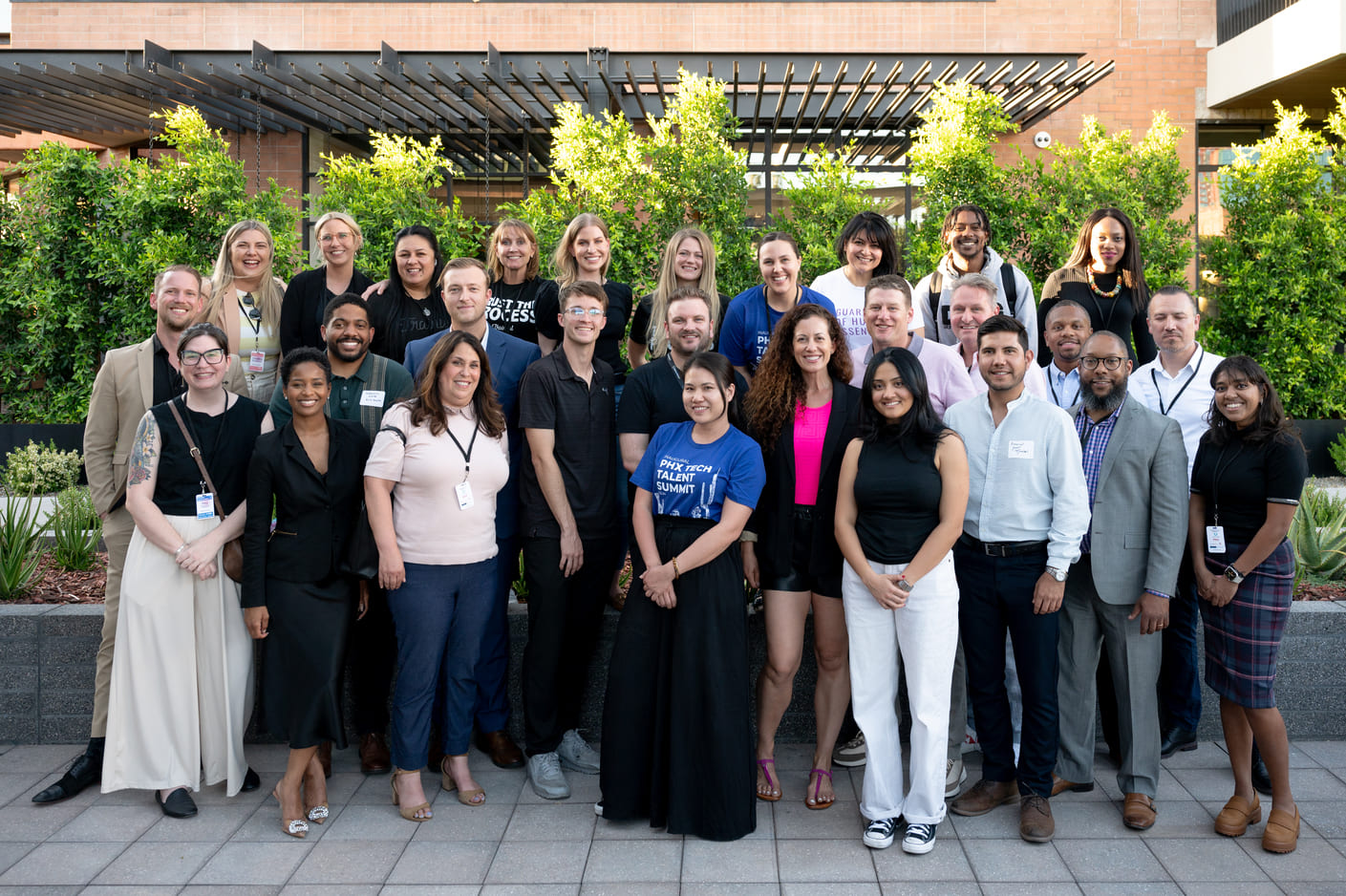
Whether you’re a job seeker looking for your next high-impact role, a founder searching for the right team, or an institutional partner ready to co-create, this is a moment to engage on your own terms. Our flagship Tech Talent Summit is built to get the right people into the right rooms, and Freeway’s on-ramp is open if you want to move from interest to action in a trusted community.
So, whether you’re building a team, searching for that next role, or bringing new capital to Arizona, Arizona workforce development tech is a working strategy - built on access, infrastructure, and community, not just buzzwords. Wherever you’re entering from, we’re here to help you find where talent meets capital and community.


































.png)


.png)
.png)



Where talent meets capital and community































.png)