AI in Phoenix startups has taken a remarkable step forward, and as someone involved deeply with the Arizona AI ecosystem, I see every day how this momentum isn’t just theoretical. I’m the founder of Freeway, and if you’re curious about practical AI shaping our ecosystem, you’re in the right place. From innovative founders to forward-thinking investors and talented professionals, it’s the community-driven efforts that are turning these ideas into action across the Valley. Let’s talk about what’s unfolding now, who’s making it happen, and why this matters for you, whether you’re exploring opportunities or planning your next move in Arizona’s tech future.
A decade ago, building a tech business in Arizona often felt like working in the shadows of big coastal hubs. That’s changed. Phoenix has deliberately invested in creating an environment where applied AI isn’t just a buzzword. It’s an engine for real-world solutions. Organizations like those covered by the Phoenix Business Journal have highlighted this shift, driven by targeted funding, local visionaries, and a hands-on approach to opportunity design. Our local tech scene now spans manufacturing, aerospace, defense, and of course, software - and we’re seeing more startups join the mix every day.
What stands out about the Arizona AI ecosystem is a focus on making opportunity visible to more people. At Freeway, we live by the idea that “Access isn’t broken, it’s just hard to see.” Arizona’s intentional approach - uniting talent, investment, and connection - has built a foundation where Phoenix-based AI ventures can actually address concrete, day-to-day business and civic needs.
If you’re wondering where the rubber meets the road for Phoenix ai startups, look at companies turning research into everyday tools. Canyon GBS offers two standout examples: one platform simplifies the higher education advising process, while another improves IT support for institutions and large organizations. These aren’t science projects; they’re directly tackling persistent problems for real users. Meanwhile, established names like Blue Yonder and Caris Life Sciences are refining everything from supply chain visibility to healthcare customization, drawing on insights shared by Shadhin Lab.
You’ll also see AI intersecting with biosciences, which is an ongoing story here. Many local health-tech and biotech companies are merging digital health with practical outcomes. For a closer look at the bioscience sector, check out our summary of recent biotech growth in Phoenix Bioscience Startups: Plugging Into a Thriving Ecosystem.
Diversity is the theme right now. New startups and experienced players are coming together, sparking growth in areas as varied as sustainability, customer experience, and advanced energy. A list from Nucamp pointed out a few to watch:
Many of these startups are tackling new frontiers outside the usual software lane. If you want to see where semiconductors, aerospace, and AI are converging in Arizona, see our map in the Arizona Semiconductor Ecosystem post.
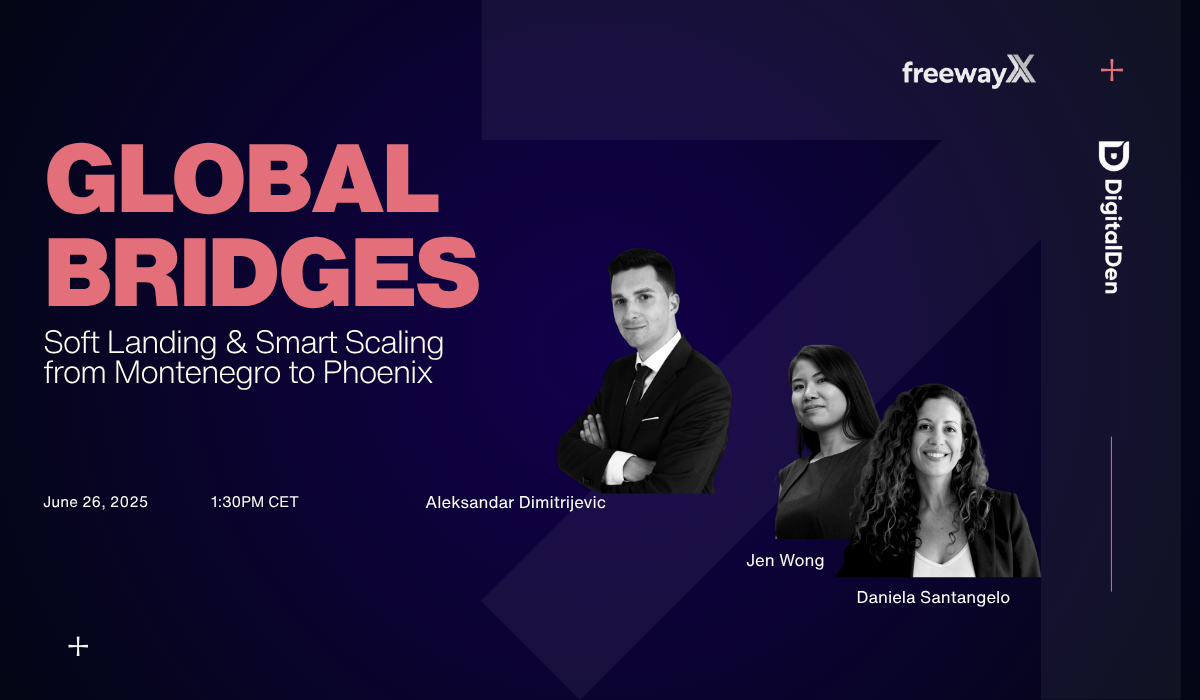
You might be surprised at how often Phoenix is chosen as a launchpad for international tech companies. When TUBR, a UK-based company, picked Phoenix for its US expansion, resources like the Arizona Commerce Authority and Downtown Phoenix Inc played a key role. Arizona Tech Council explains how global founders can go from landing in the US to launching their first project here - sometimes in just a few months. Through Freeway X and Tech Arizona Advocates, we’re building more of these international bridges that bring fresh ideas and new talent straight into the Arizona AI ecosystem.
The practical backbone for AI in Arizona is the depth and quality of our support systems. Incubators like CEI Gateway, funding through the Arizona Innovation Challenge, and places to test new ideas at WearTech Applied Research Center all matter. But what truly accelerates progress is when you, as a founder or job-seeker, tap into high-trust networks. From consistent meetups to the Freeway Dashboard, there’s no need to navigate alone. Insightful overviews at AI-Powered 360 show how connection, learning, and momentum happen at every stage of the journey. Want to track jobs and hiring trends? The updated Phoenix startup and tech jobs board makes it easy to see who’s hiring and what’s in demand.
Strong ecosystems rely on strong institutions. Arizona State University and University of Arizona both anchor the research-to-application pipeline, contributing to vital work from particle physics to healthcare AI. If you want a bird’s eye view of the landscape, Arizona AI has a solid breakdown of agencies, research, and startups at play. On the public sector side, the State of Arizona’s cross-agency AI adoption - think everything from traffic management to fraud protection - is coordinated with guidance from the Governor’s AI Steering Committee. When research, regulation, and entrepreneurship are aligned the way they are here, new ideas actually reach the market faster.
You might ask, “Why Phoenix? What makes our approach stand out?” For me, the most noticeable difference is our mindset. People here look for practical uses, make talent easier to find, and value the coordinated support you won’t find everywhere. Sure, having TSMC and Intel in the neighborhood matters. But access to the Freeway Dashboard, repeated introductions at live events, and the Trusted Community approach really make Phoenix’s ecosystem accessible for founders, talent, and partners who want to plug in. Our Freeway Dashboard isn’t just a directory - it’s a map to opportunities, co-founders, capital, and collaborators you might not otherwise see.
Conclusion
What’s moving the needle for AI in Phoenix startups today? It’s the deliberate coordination of people, opportunity, and infrastructure - something we focus on at Freeway with every program, event, or partnership. Whether you want to join the Phoenix tech ecosystem or find your on-ramp to signal-rich relationships and opportunities, I invite you to start here: dig into the Freeway platform, connect with the community, and help shape a market where talent, capital, and community actually work together to build what’s next.































.png)


.png)
.png)



Where talent meets capital and community


























.png)