If you’ve wondered why the community-led ecosystem in Phoenix stands out - both in supporting startups and fueling real, long-term growth - let me show you what we’ve learned here at Freeway. No matter your role, whether you’re a founder, part of an operating team, a job seeker, or a partner aiming to deepen your impact, the Phoenix playbook can offer strategies your city can adapt to cultivate authentic innovation.
For a long time, most cities leaned into the institution-led path: relying on big-ticket university projects or government programs to jumpstart their tech scene. These approaches aren’t always a fit for the nuance of a city’s founders and builders. Here in Phoenix, our community-led ecosystem prioritizes founders at the core, values repeated connections, and opens doors others keep closed. If you look at Freeway’s model, we’re designed to serve as the on-ramp into the Phoenix tech ecosystem, combining infrastructure, high-trust community-first access, and amplifying opportunity for everyone - not just running events for the sake of it. For instance, the Freeway Partner Model moves us away from a zero-sum game and towards collaboration that lifts everyone.
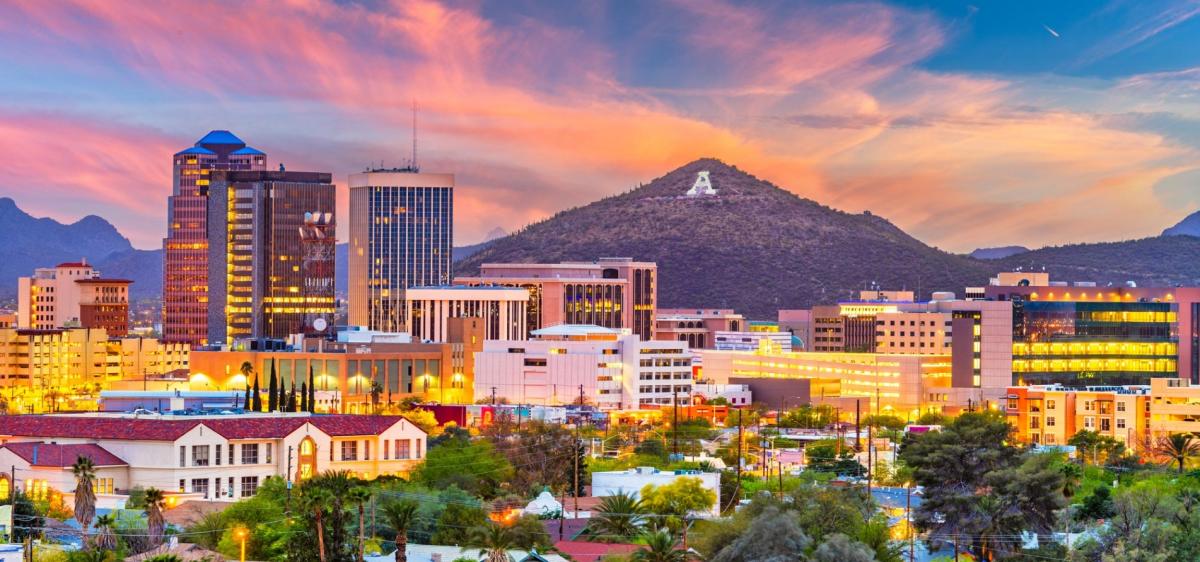
Let’s get specific with data. According to the Startup Project’s overview, Phoenix has carved out advantages you won’t see in traditional tech hubs. Cost of living is just above the national average (index 110), making Phoenix welcoming for founders at all stages. Sector diversity - from enterprise software to bioscience and clean energy - is strong. Migration from the coasts brings top-tier talent, attracted by the city’s collaborative culture and real affordability.
This “interior market” edge means startups here are able to enjoy longer runways, build authentic partnerships, and participate in a community where capital, talent, and opportunity naturally intersect. It’s a local advantage that’s tough to replicate elsewhere.
If you care about ecosystem building that actually lasts, a community-led ecosystem is your roadmap to resilience. Paul O’Brien, who’s spent years analyzing startup communities nationwide, points out that most places default to “mentorship mills” or surface-level networking clubs. Phoenix set out to build something different: a Trusted Community where founders drive the connections and decisions. You can dive deeper into Paul’s view on modes of community building in his in-depth piece.
We don’t ignore institutions - here, places like Arizona State University, Greater Phoenix Economic Council, or Seed Spot power the infrastructure layer. But those roles emerged because the community needed their support, not because someone handed them the steering wheel. This subtle shift turns static systems into responsive, people-first infrastructure.
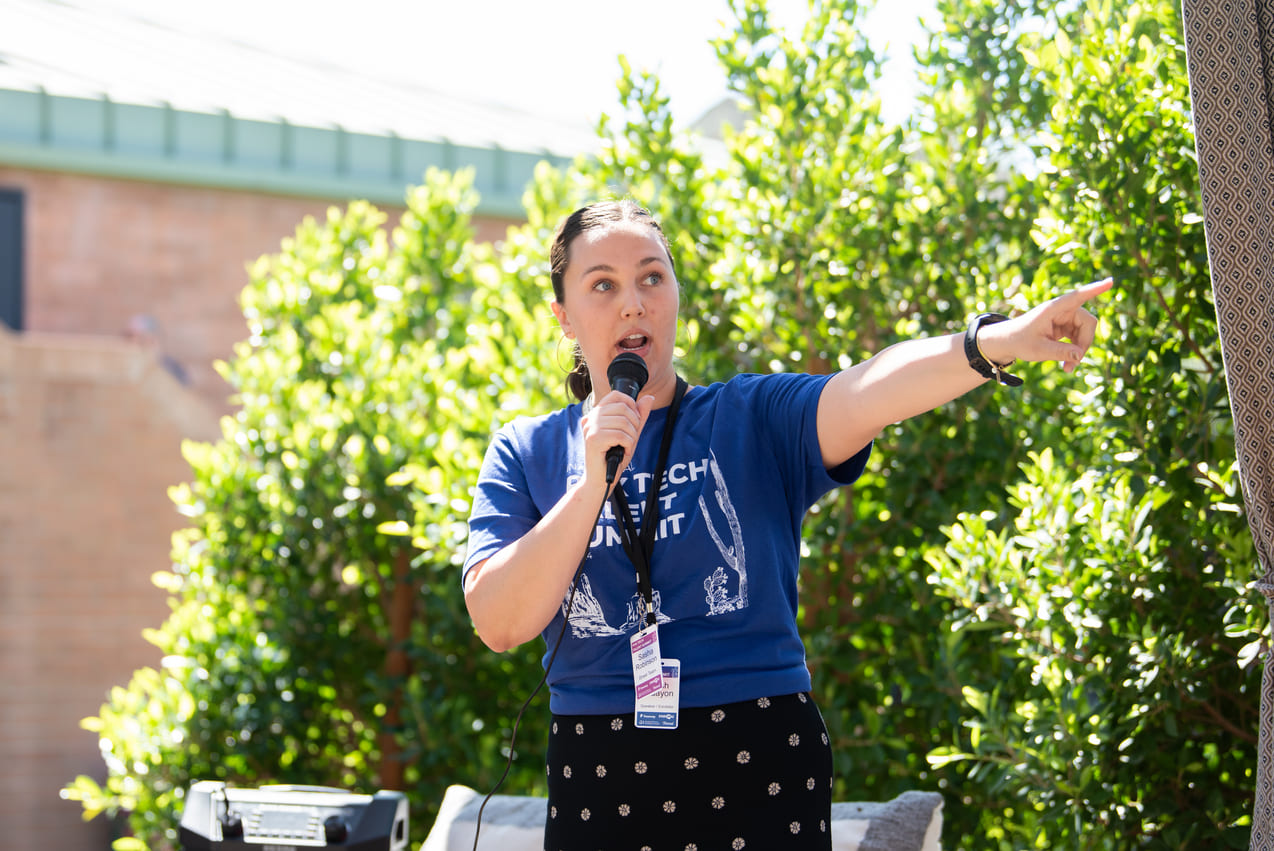
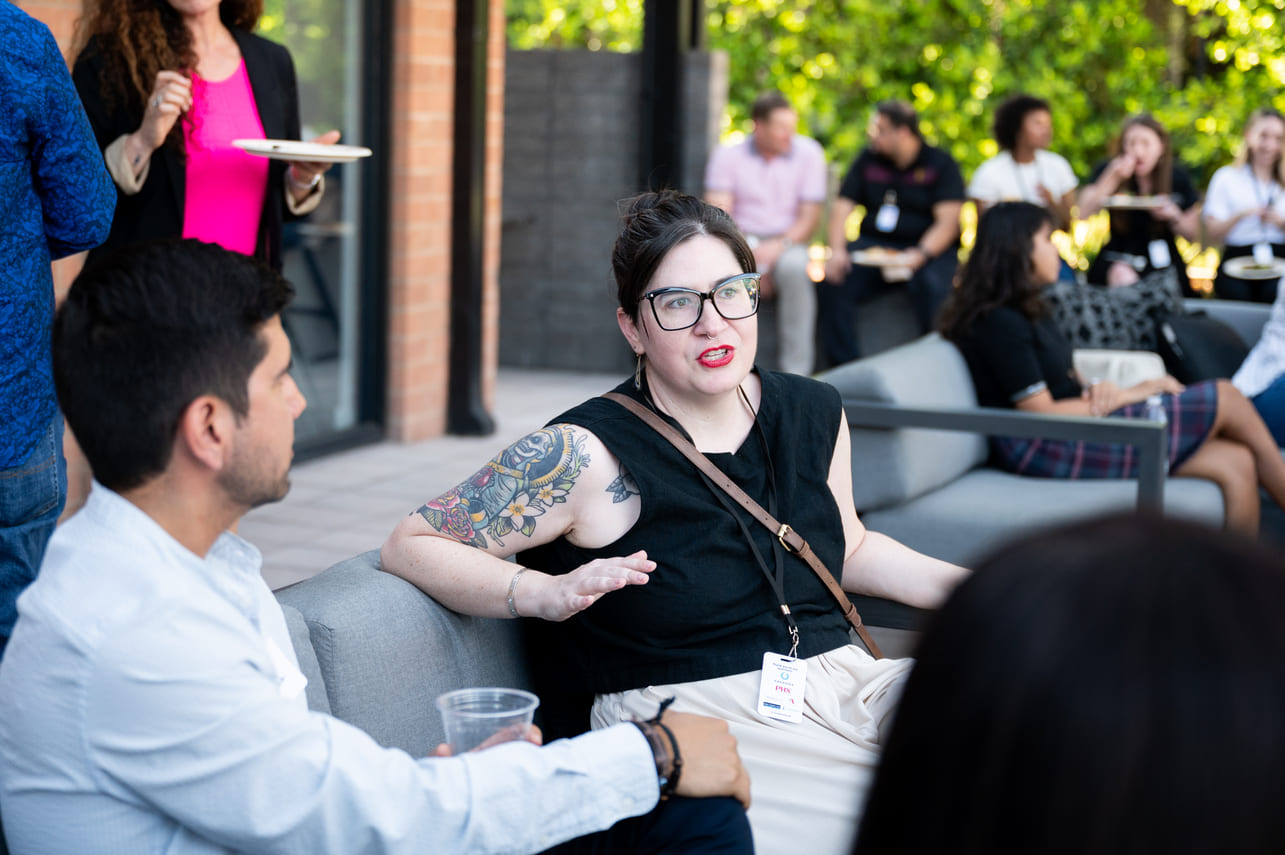
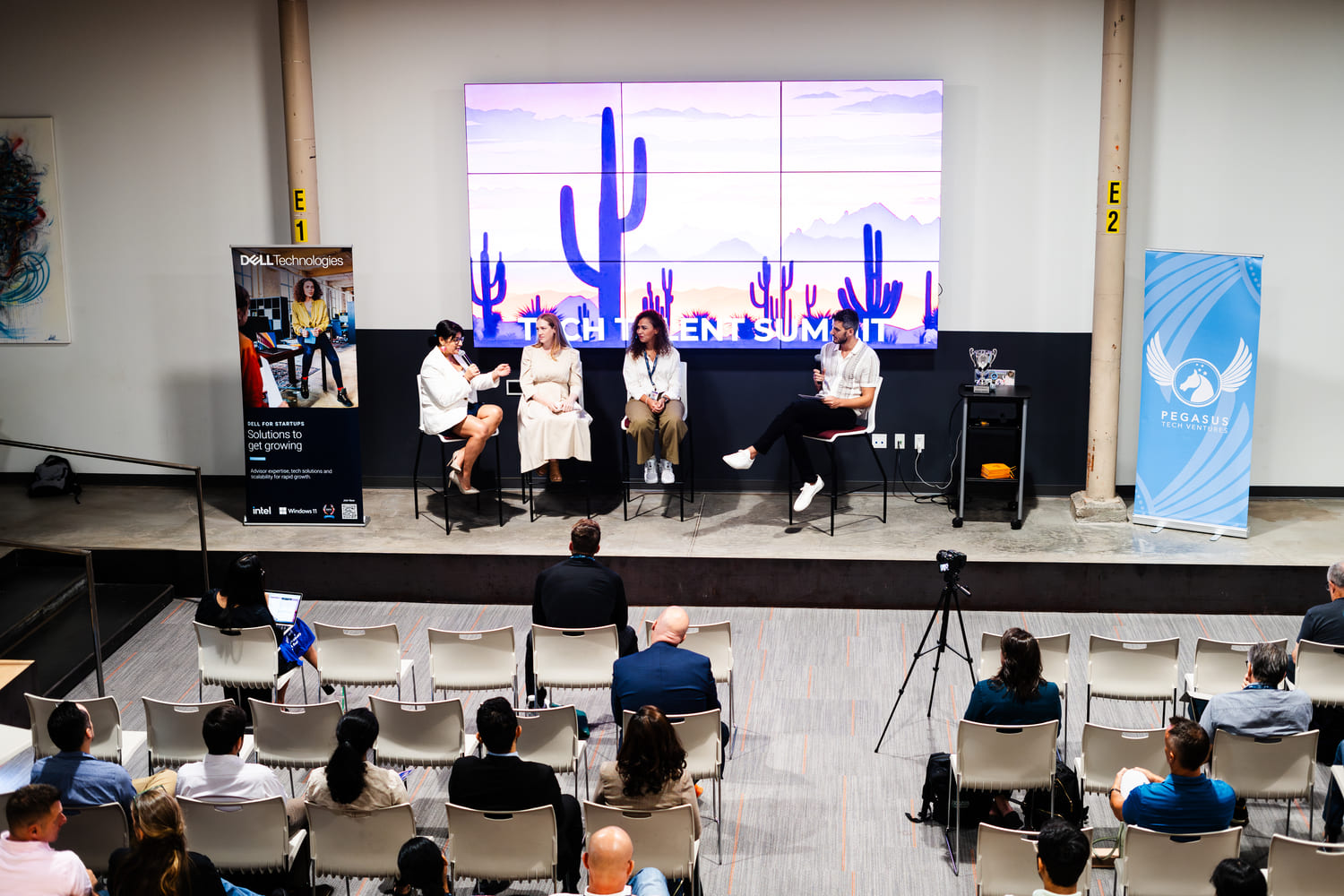
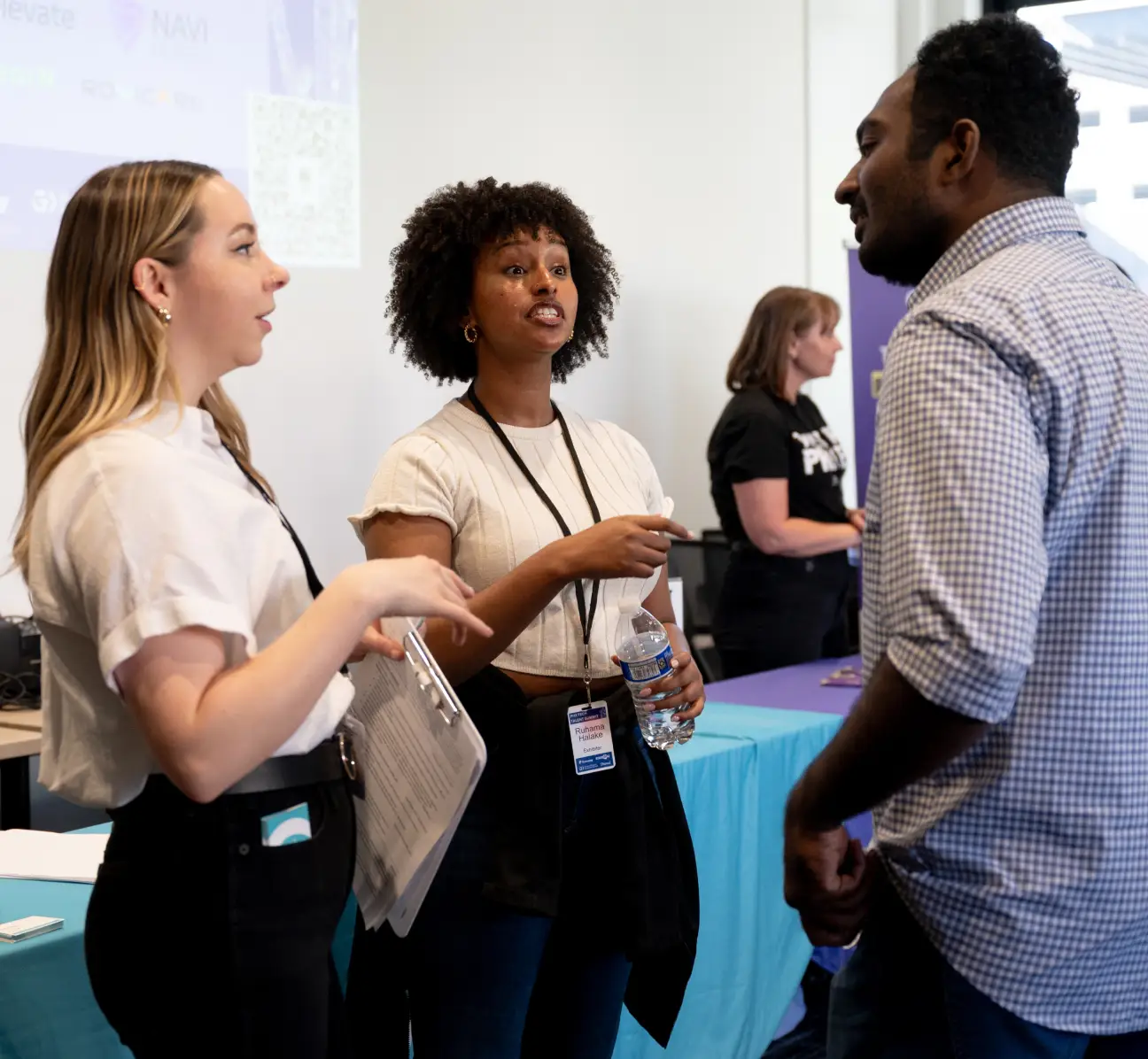
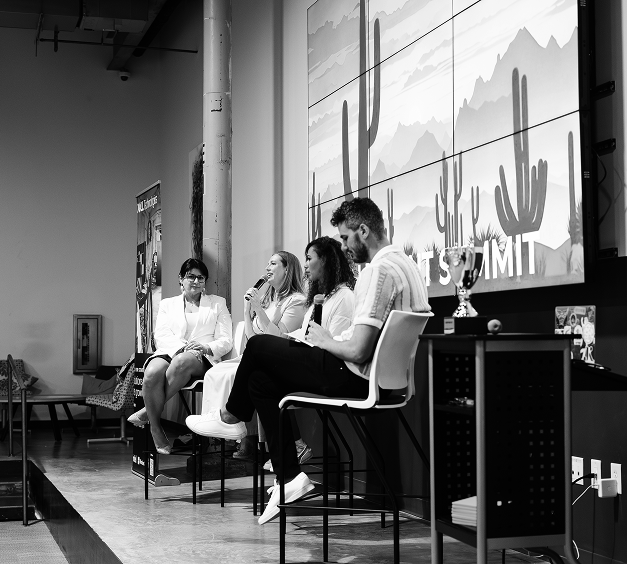
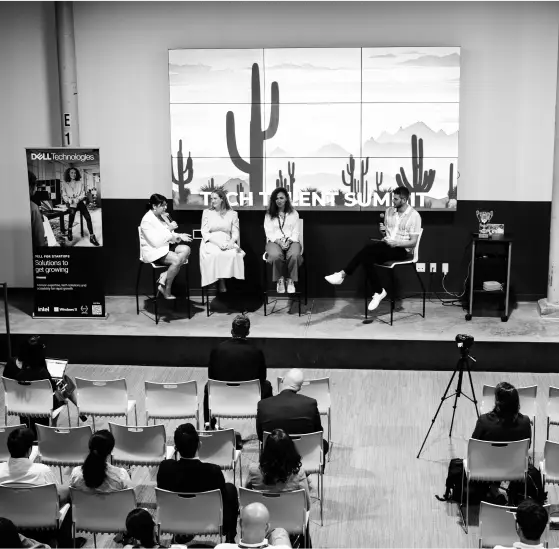
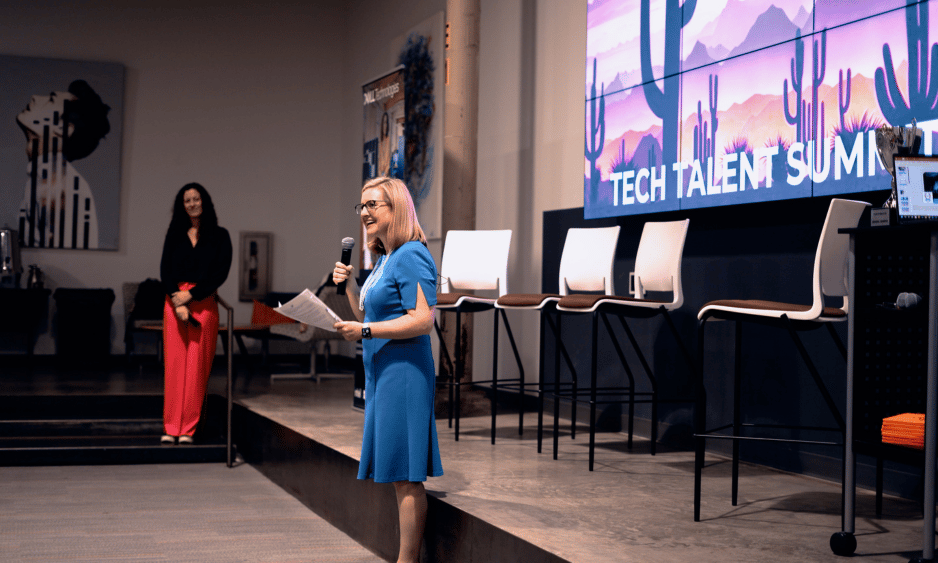
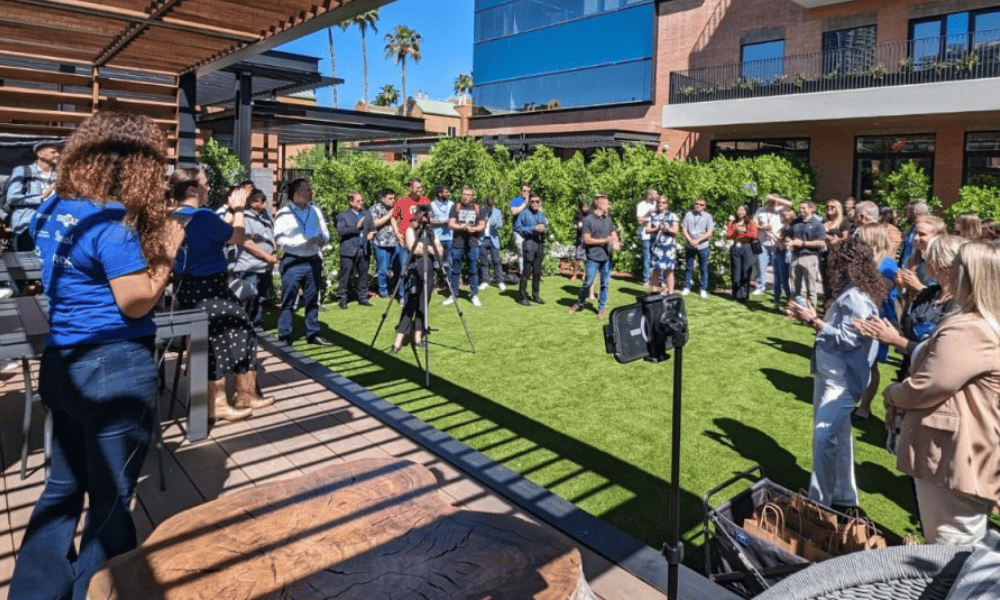
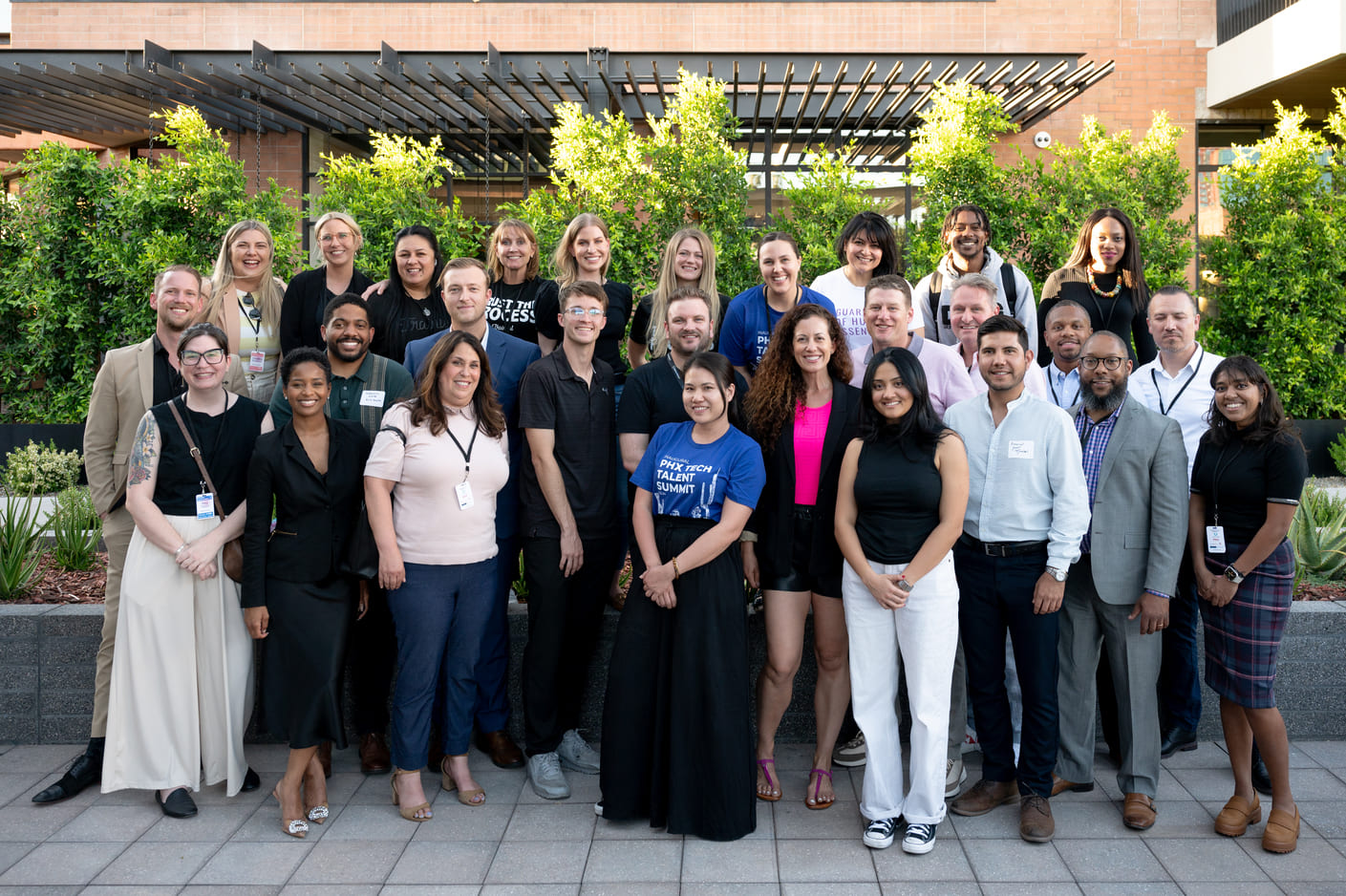
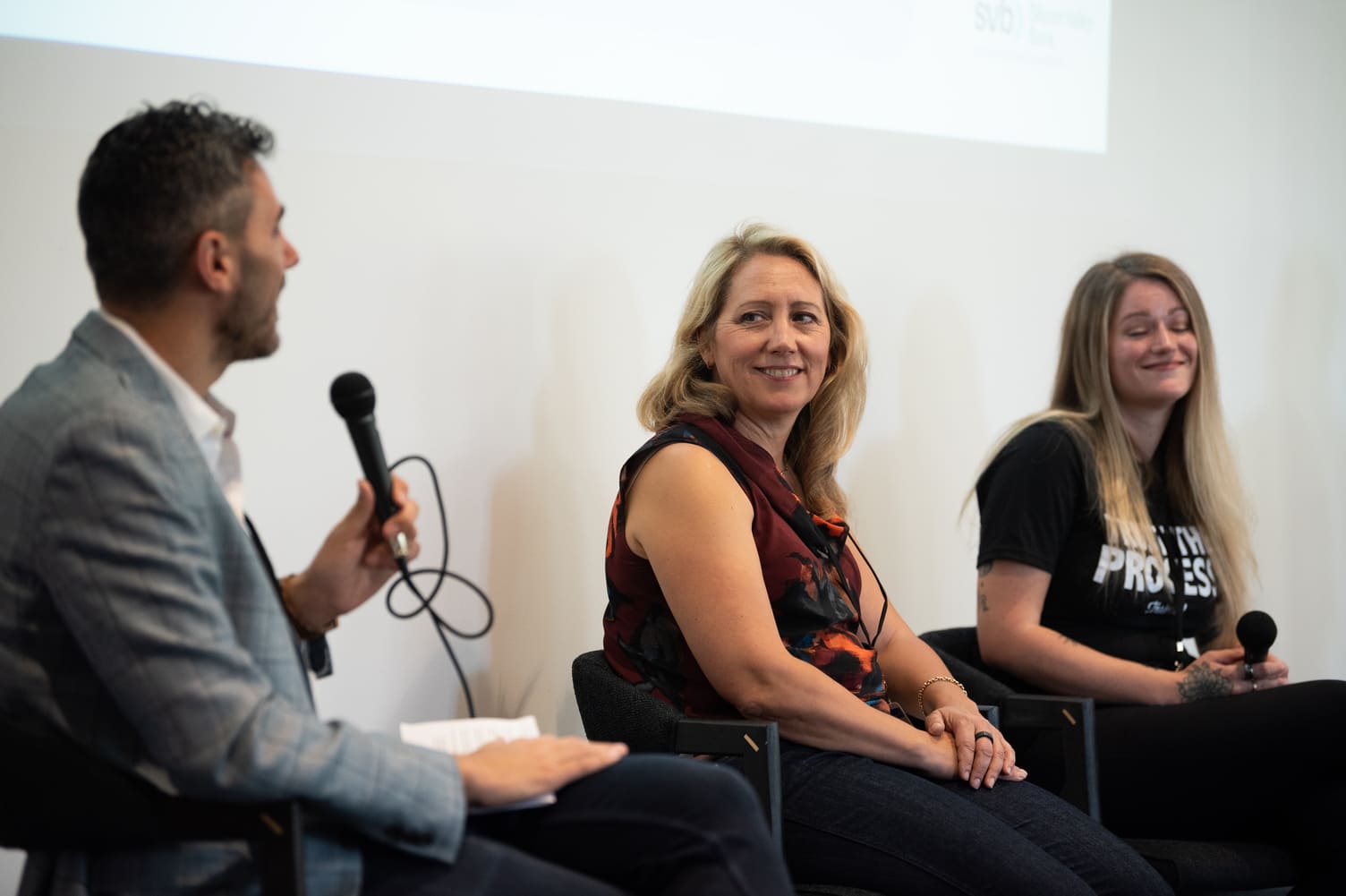
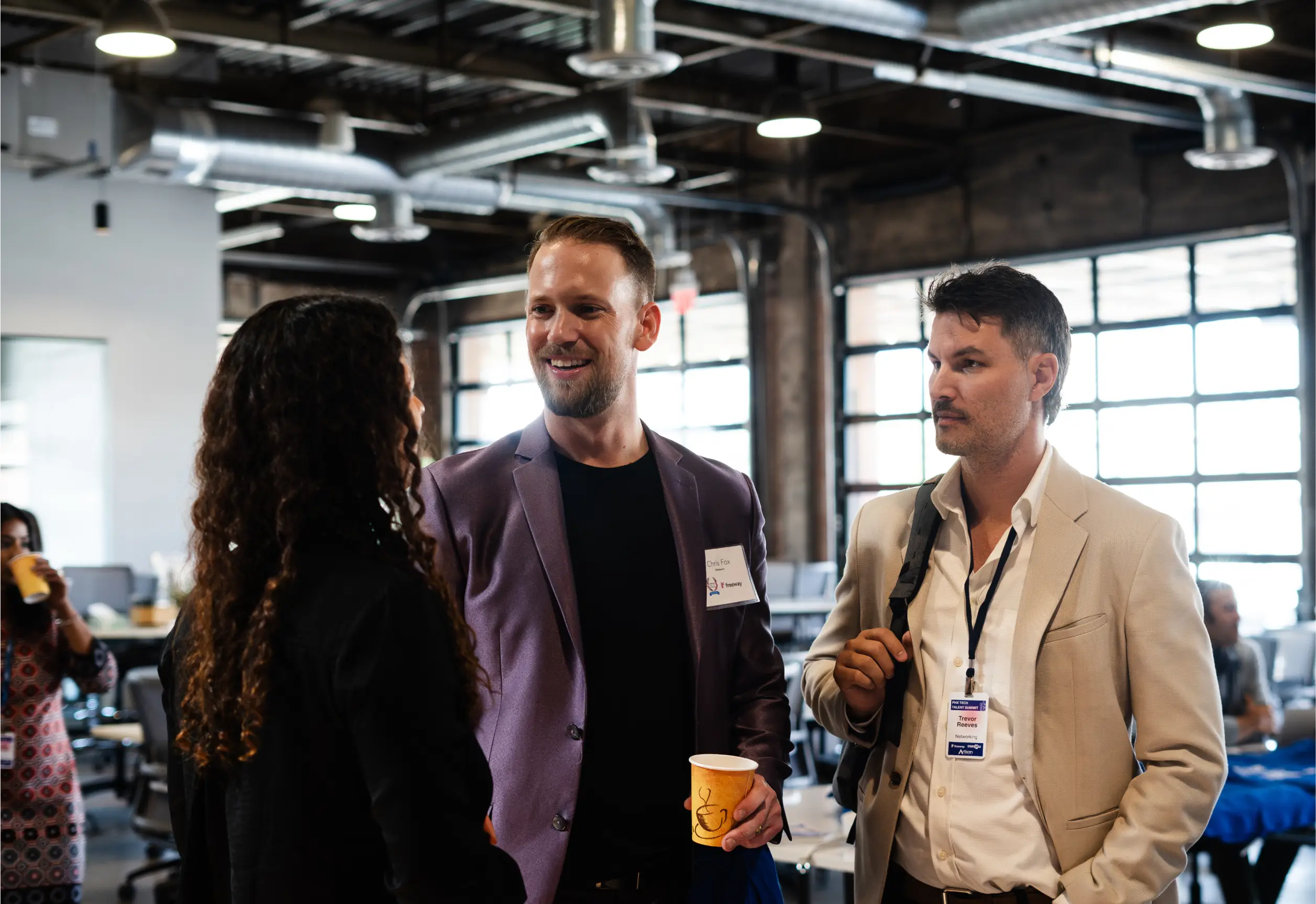
Every aspect of Freeway is built to lower barriers and make the community-led ecosystem accessible. Whether you use the jobs board, participate in our flagship Tech Talent Summit, or connect through micro-communities or open office hours, you’ll find we focus on sustained relationship-building. The ethos is simple: share opportunities, remove friction, and activate Talent, Capital & Community in one connected stack.
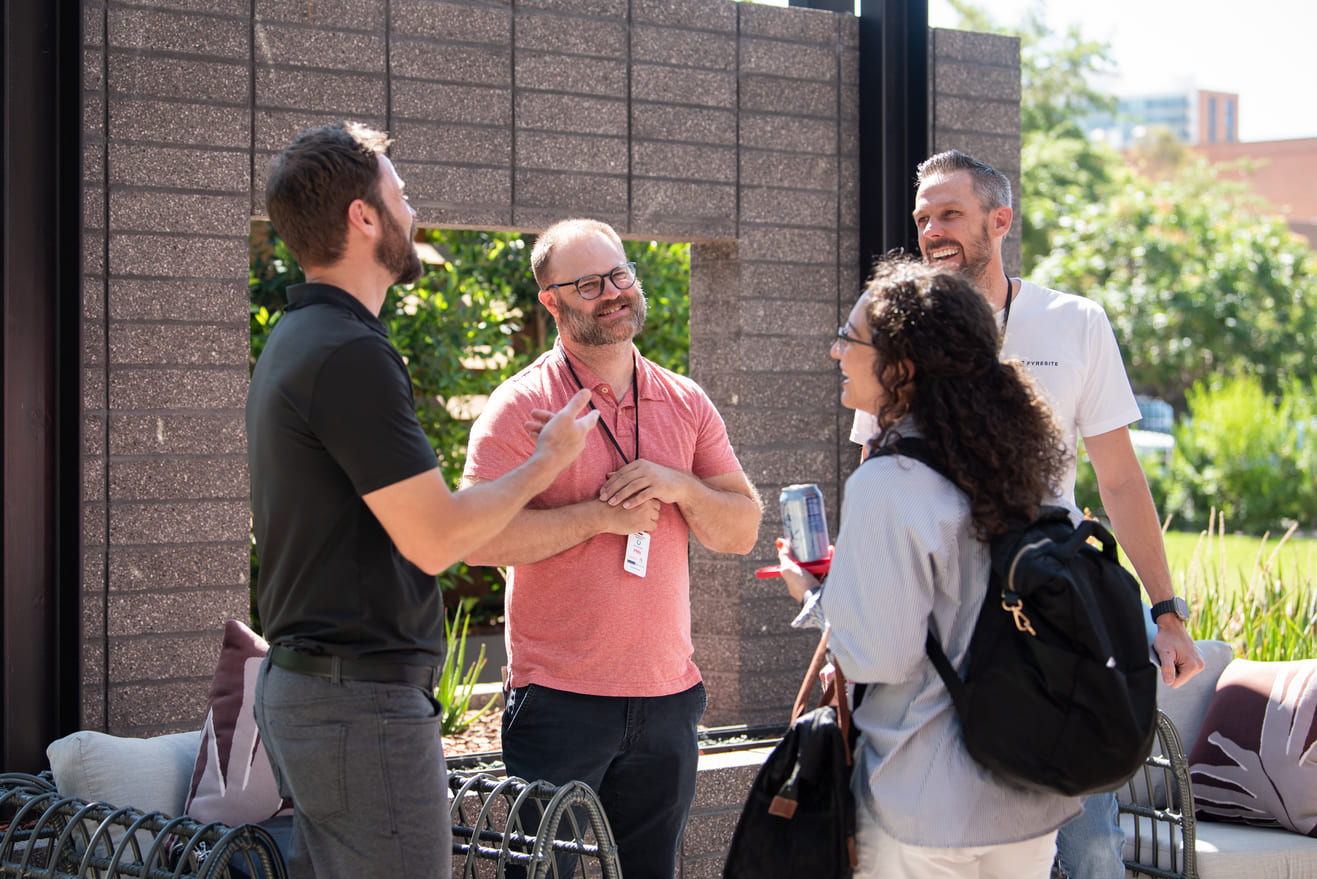
We see it pay off every day: job seekers switch careers into startups, founders meet partners who spark growth, and hiring teams tap into talent flows they’d never spot elsewhere. For real stories and strategies to build trusted connections, take a look at our thoughts on intentional networking in Phoenix.
Conclusion: If you want to build or grow a thriving, resilient innovation ecosystem, follow the blueprint of a community-led ecosystem where people take the lead, and institutions serve as amplifiers - not barriers. Ready to dive in? Reach out to join Freeway’s network today - this is where talent meets capital and community, and where Phoenix proves what’s possible when you put people first.































.png)


.png)
.png)



Where talent meets capital and community























.png)