City of Phoenix economic development startups have helped Phoenix emerge as a fast-moving hub for innovation in Arizona. I’m Daniela, founder of Freeway, and I want to offer a candid view into how city startup partnerships give founders, talent, and partners real tools to plug into the Arizona innovation economy - much faster and with fewer detours than you’d expect. If you’re navigating this region as a founder, operator, or organization, this is the honest on-ramp you need.
Growth doesn’t just find Phoenix - we build it. In my day-to-day at Freeway, I see how aligned partnerships make all the difference for City of Phoenix economic development startups. Together with organizations like Tesoro.vc, GPEC, and StartupAZ, we’ve stepped away from one-off accelerators and moved toward long-term alliances supporting founders. The partnership between Tesoro.vc, the City of Phoenix, and others has started its own playbook for a region-wide approach. Rather than scattered programs, coordinated pathways are available for mentorship, capital, and development in the emerging Phoenix tech ecosystem.
Why do so many founders and investors head for Phoenix? The short answer is: access has leveled up. Local funds like AZ-VC and PHX Ventures have doubled down on regional ventures - meaning capital is no longer an export-only game. It’s right here, running through bioscience, climate-tech, and deep tech efforts. According to the AZ Technology Council’s analysis, this ecosystem moves at a pace that simply didn’t exist a few years ago.
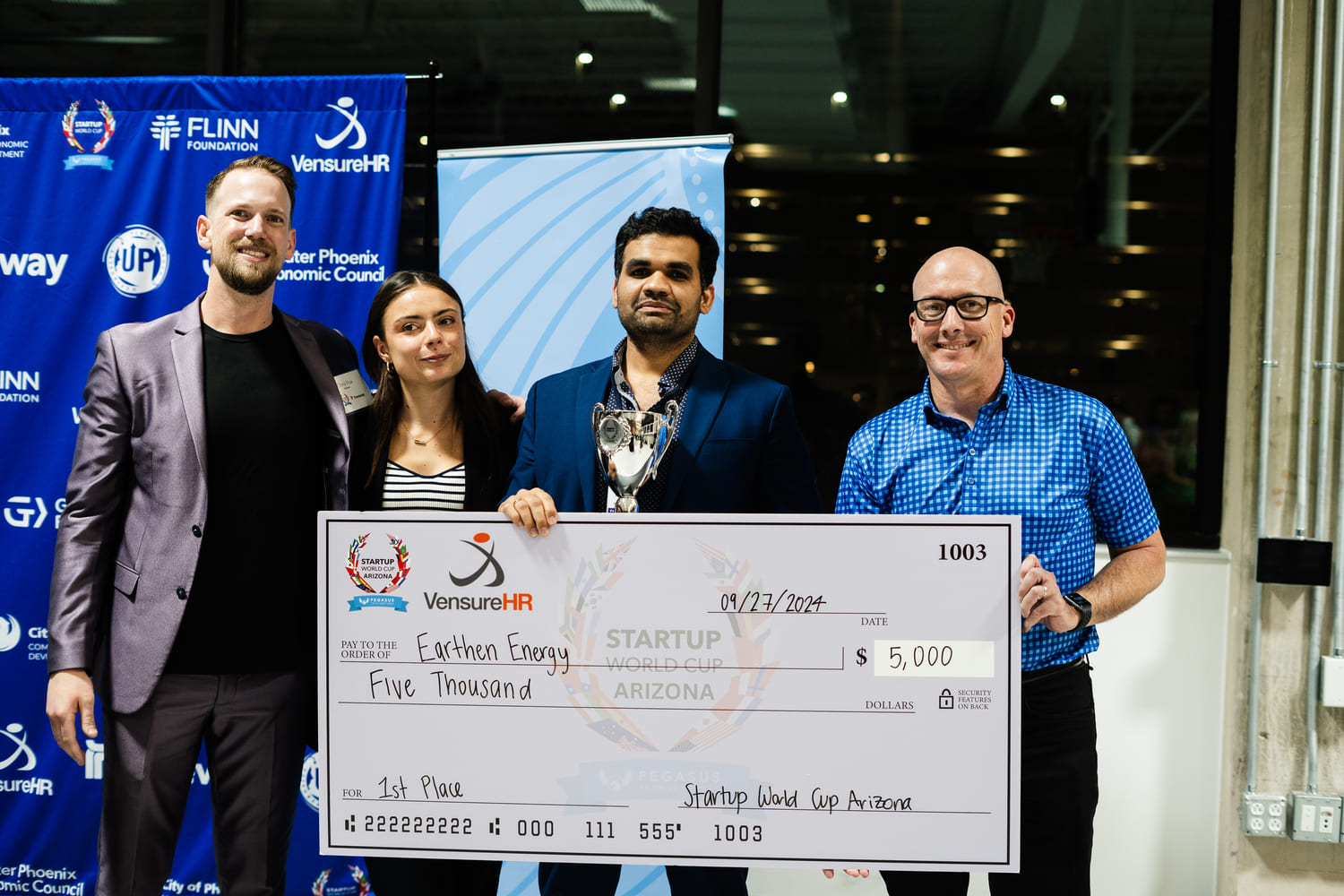
City of Phoenix economic development startups have delivered concrete results: climate-focused ventures have raised more than $130 million locally, and health-tech companies like Solera are landing $175 million rounds. It helps that the cost of living is reasonable, the regional infrastructure is solid, and market access extends well beyond Arizona lines. That’s how Phoenix is beating national averages in startup metrics - by uniting practical advantages with collaborative support.
If you ask me, Phoenix’s strength isn’t in solo efforts or one splashy building. Our edge comes from the network - specialized spaces and collaborations connecting City of Phoenix economic development startups with a range of expertise. Spaces like Phoenix Forge, LabForce, and the Center for Entrepreneurial Innovation (CEI) offer more than desks. Founders here can access labs, mentors, industry insiders, and support tailored for bioscience and tech. At Freeway, we see how CEI’s equity-free model - especially its biotech grants - makes a real impact for emerging scientists and engineers who might miss out on traditional accelerators.
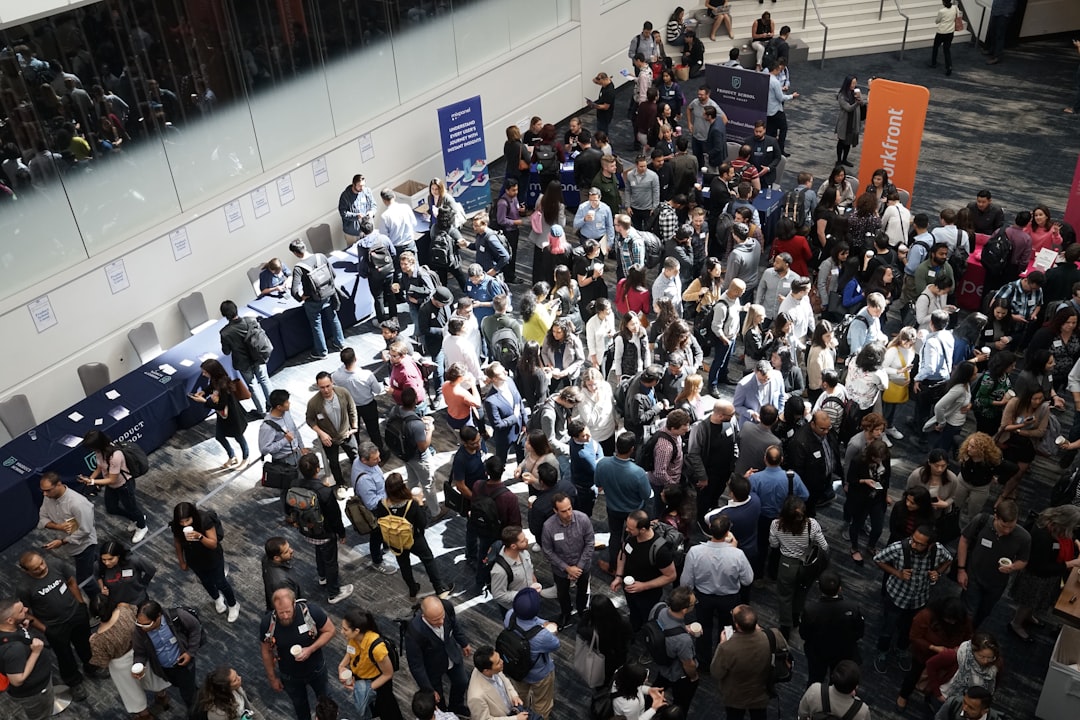
What sets this ecosystem apart isn’t quantity of programs, but how public, private, and civic sectors work - together - to produce measurable outcomes for startups. No isolated silos here. Instead, founders find real bridges into technical resources, funding, talent, and new markets. It’s the difference between finding your way solo and having a vetted guide.
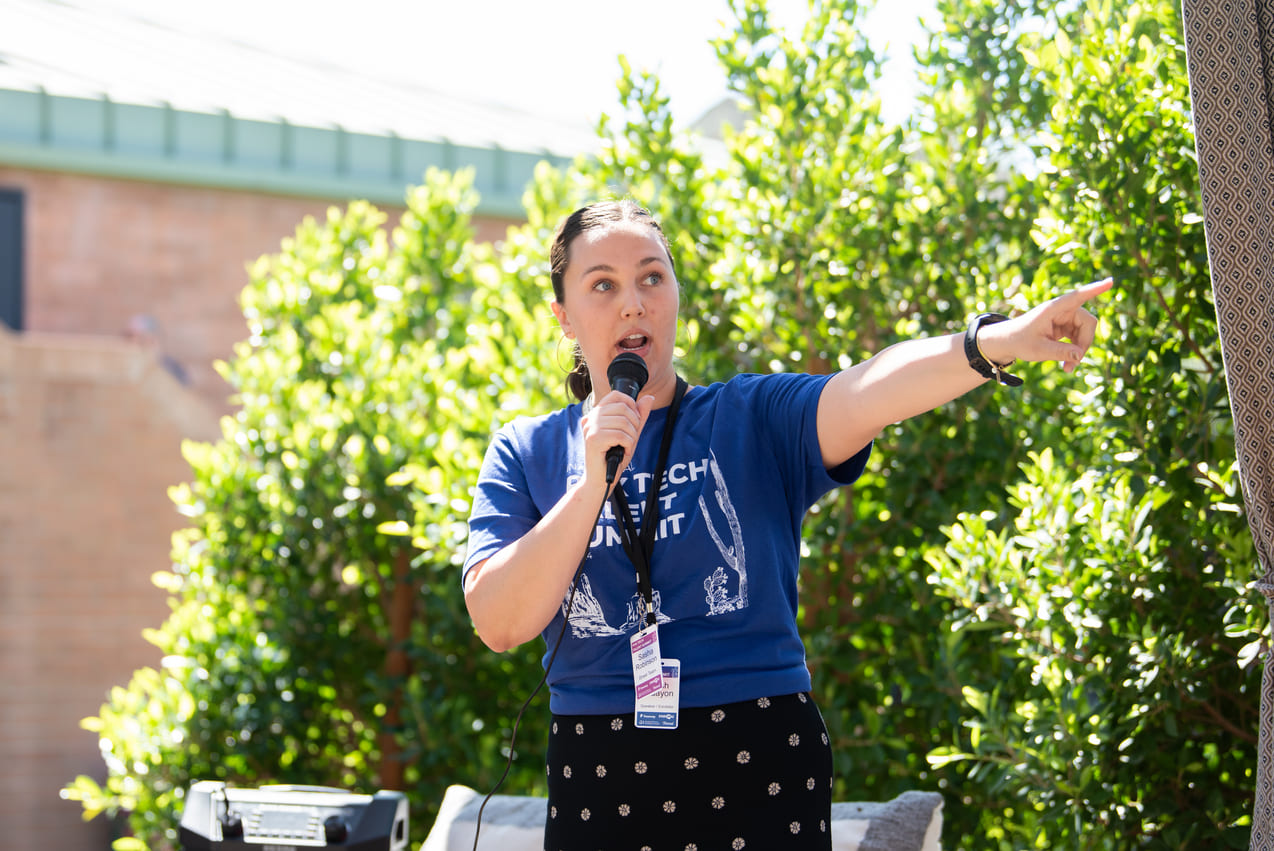
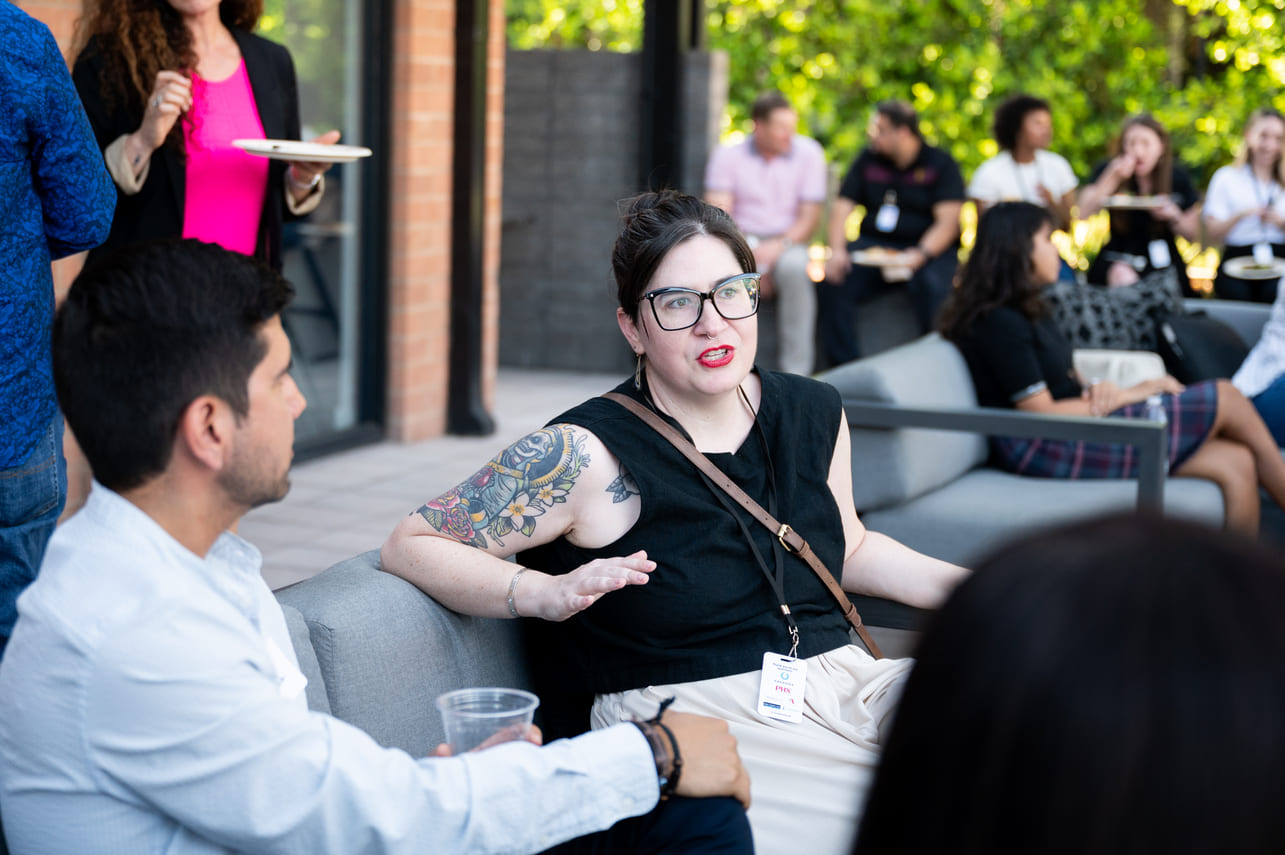
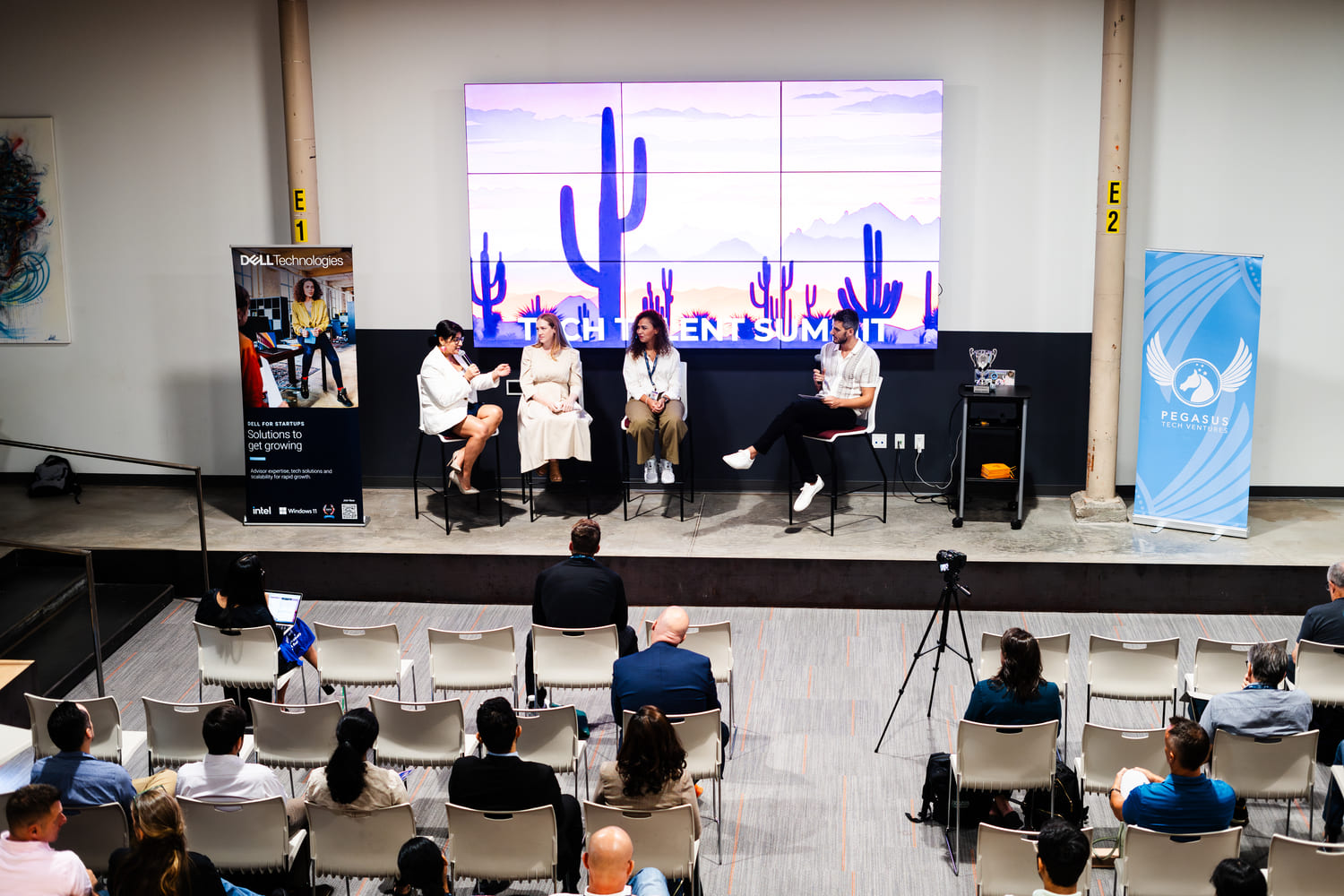
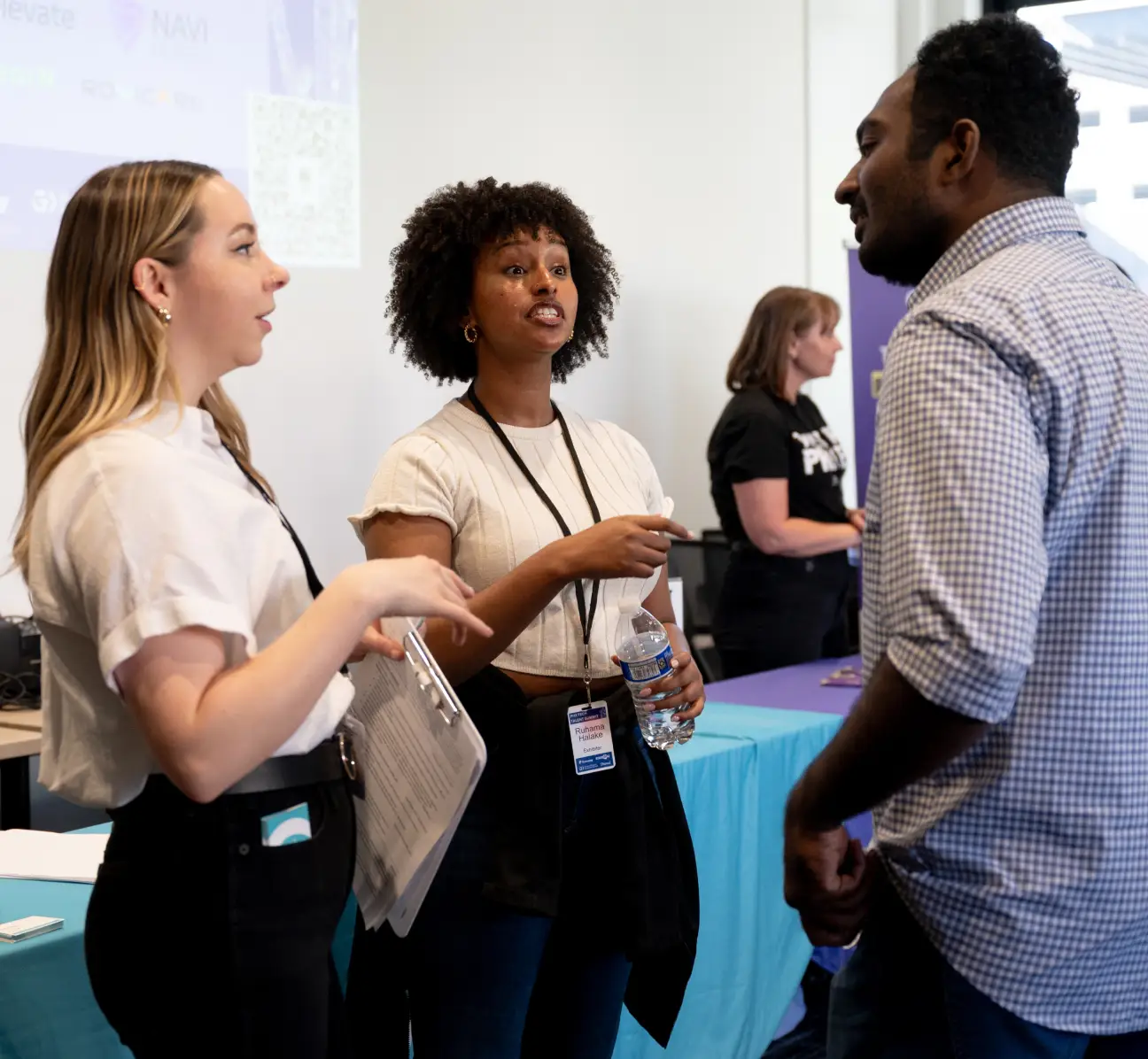
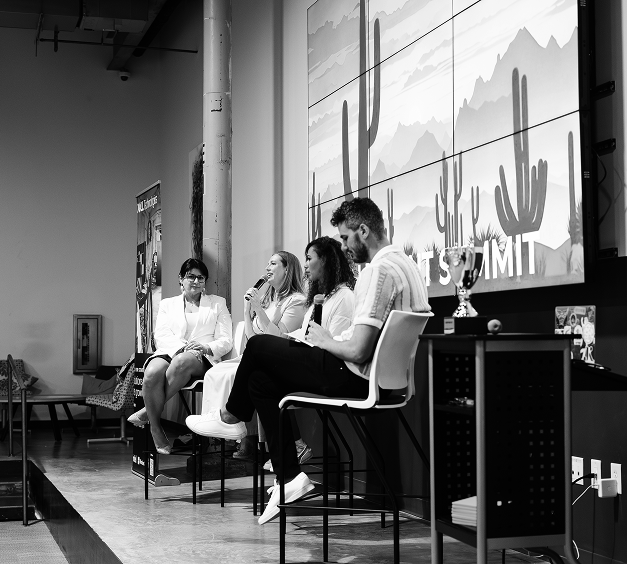
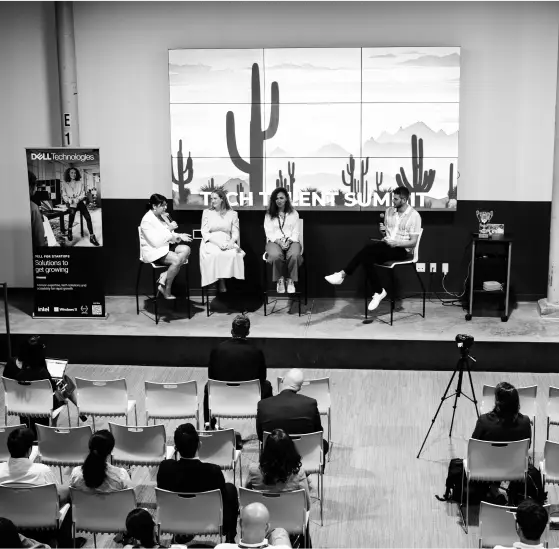
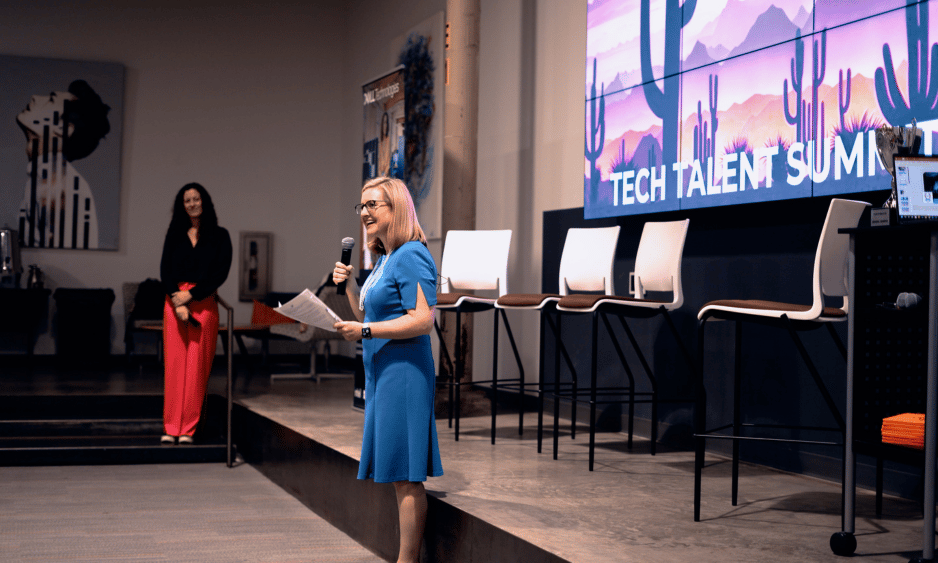
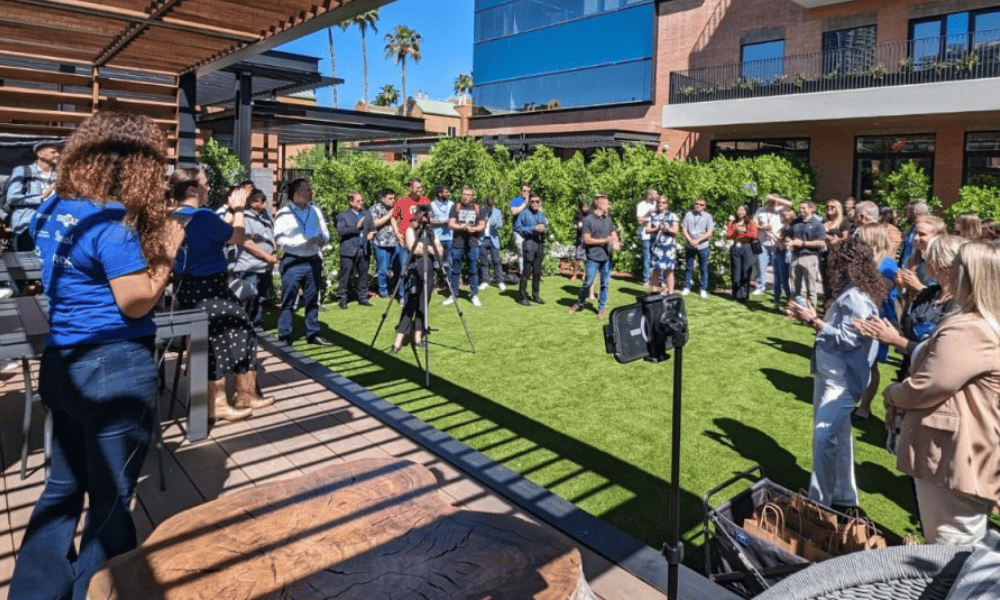
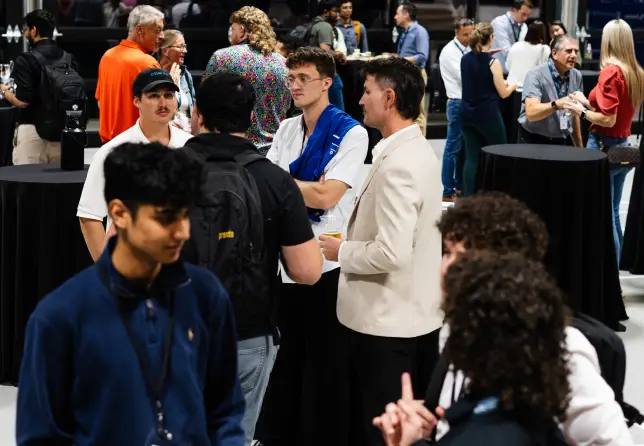
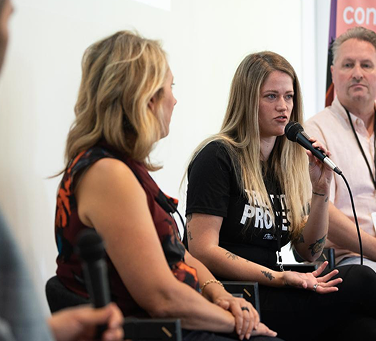
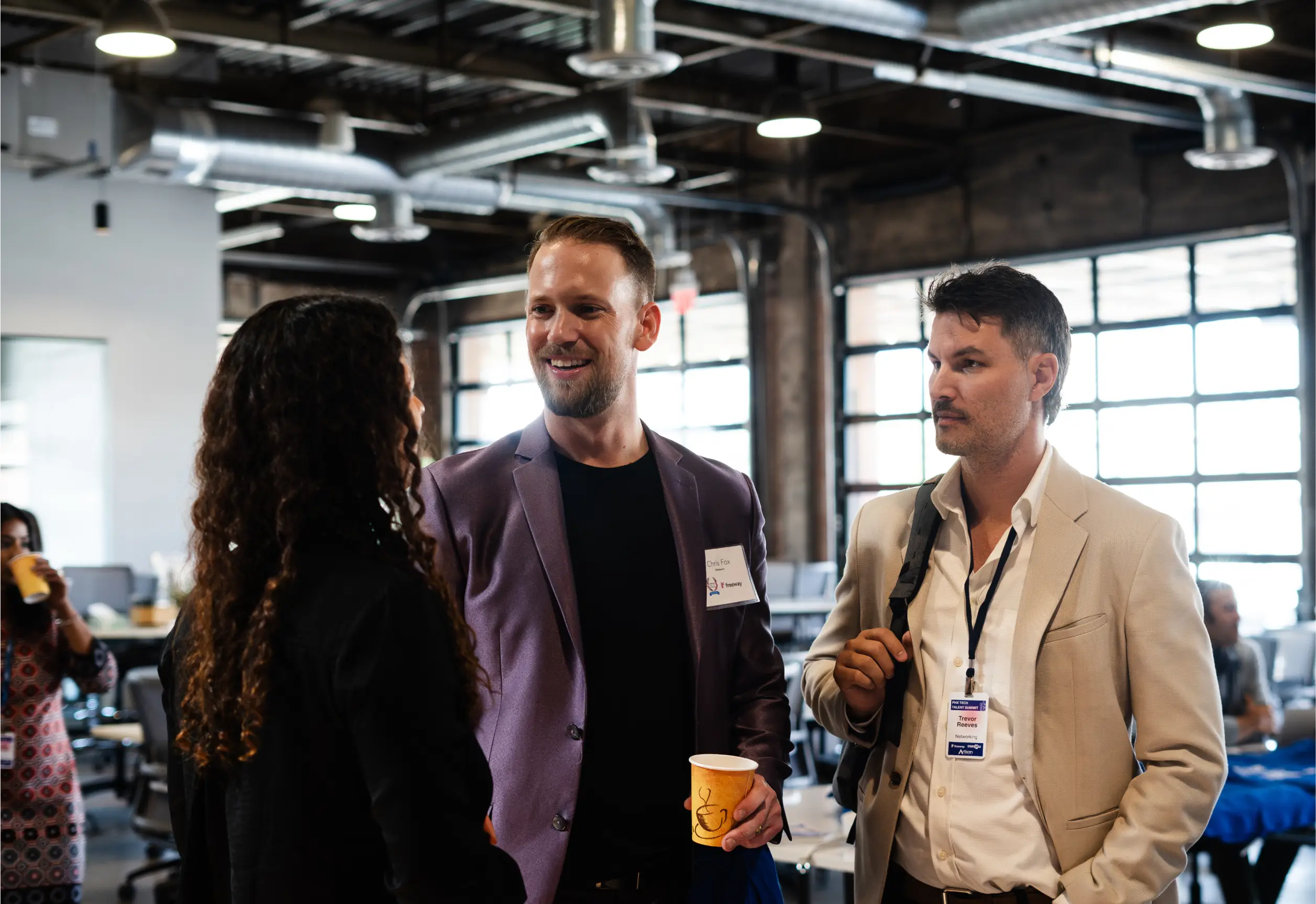
A lot of people tell me the challenge wasn’t a lack of support - it was figuring out where to start. That’s why we built Freeway to serve as an on-ramp into Phoenix’s tech ecosystem. Through local events, the community-driven Freeway Dashboard, and warm introductions, we’re breaking down invisible barriers. Instead of guessing who to call or where to show up, founders, operators, and talent get direct access to the right rooms - without the extra friction. I’d encourage you to read more about our approach if you’re curious about how we solved the "front door" problem in my in-depth post.
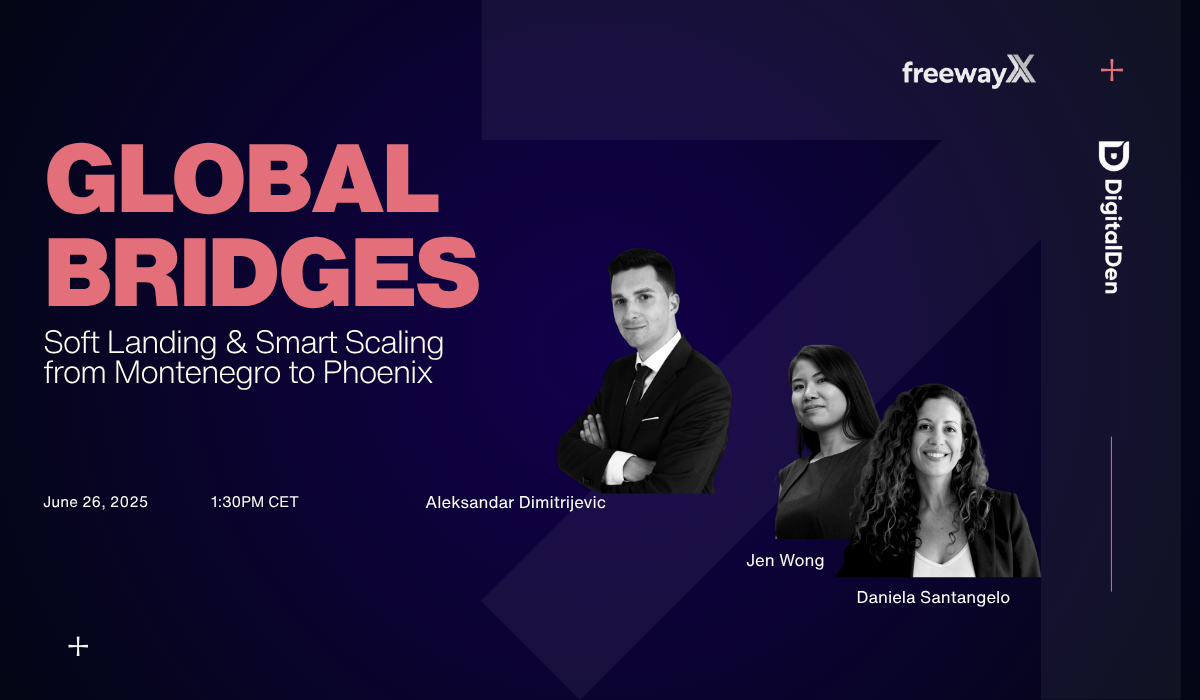
With Freeway X, we take this further by helping founders bridge into international markets and tap global advisory via Tech Arizona Advocates. The more our region’s startups gain worldwide exposure, the more resilient the whole Phoenix startup ecosystem becomes.
From what I’ve seen, the region succeeds thanks to cross-functional alliances. Here are partners I recommend connecting with:
No more bouncing from silo to silo. The collaboration here delivers more direct traction, as I expand on in this post about why strategic city partnerships matter.
Founders are not only arriving here - they’re scaling. I’ve watched diverse teams in bioscience, advanced technology, and climate-tech sprint from launch to breakout rounds, all because the infrastructure finally puts Talent, Capital & Community in the same rooms. If you want to see these outcomes up close, check out our rundown of Phoenix’s thriving bioscience startups.
What keeps our ecosystem on track is intentional design. It’s not just about city leadership or investor debate - real advancement comes from committed founders, operators, and ecosystem connectors. As I laid out in my philosophy on community infrastructure, the right focus is on access, exposure, and experiences that help new participants plug in quickly and build genuine relationships. That shift from “closed doors” to tangible signal is what’s powering Phoenix forward.
Conclusion: Ultimately, the rapid climb in the Phoenix startup ecosystem comes from intentional partnership, founder-led vision, and an insistence on visible, repeatable access - not accidental outcomes. If you’re ready to move from the sidelines to the right rooms, connect with us at Freeway. Here, talent meets capital and community - your next move starts now.




























.png)


.png)
.png)



Where talent meets capital and community























.png)