
When you set out to navigate the Phoenix defense tech ecosystem, you’ll quickly realize this isn’t a market waiting to happen - it's already on the move. As someone who’s spent years connecting founders, operators, and investors through Freeway, I can tell you firsthand: Phoenix defense tech isn’t just expanding, it's reshaping how national security and breakthrough engineering find each other in Arizona. If you’re curious about where to start, or how to tap the right people and programs, you’re in the right place for an insider’s look at what’s real in 2026.
Across the last decade, there’s been a conscious commitment to turning Greater Phoenix into a true player in defense technology. The Phoenix defense tech scene now brings together everything from gritty early-stage startups to established names in aerospace, not to mention the government partners and investors who see the real upside of sticking around. What makes this segment different? Here, you’ll find a habit of making introductions meaningful and events practical - think community infrastructure, not just another gathering. Platforms like Freeway serve as connective tissue, helping people avoid dead-end meetups so every connection counts.
If you’re tired of transactional networking, you’ll find plenty of people here who want to build actual projects, not just collect business cards. When capital, talent, and community all show up ready to create signal - not noise - you feel the change in the room. That’s by design.
If you follow Arizona’s tech news, you might have caught the buzz around the inaugural Arizona Tech Week. This isn’t just window dressing - it’s a statewide moment where defense, aerospace, and AI share the spotlight. Thanks to sponsors like Honeywell Aerospace, you’ll find the event features genuine opportunities to get hands-on, from interactive labs to factory visits, to those hallway conversations that matter more than any keynote.
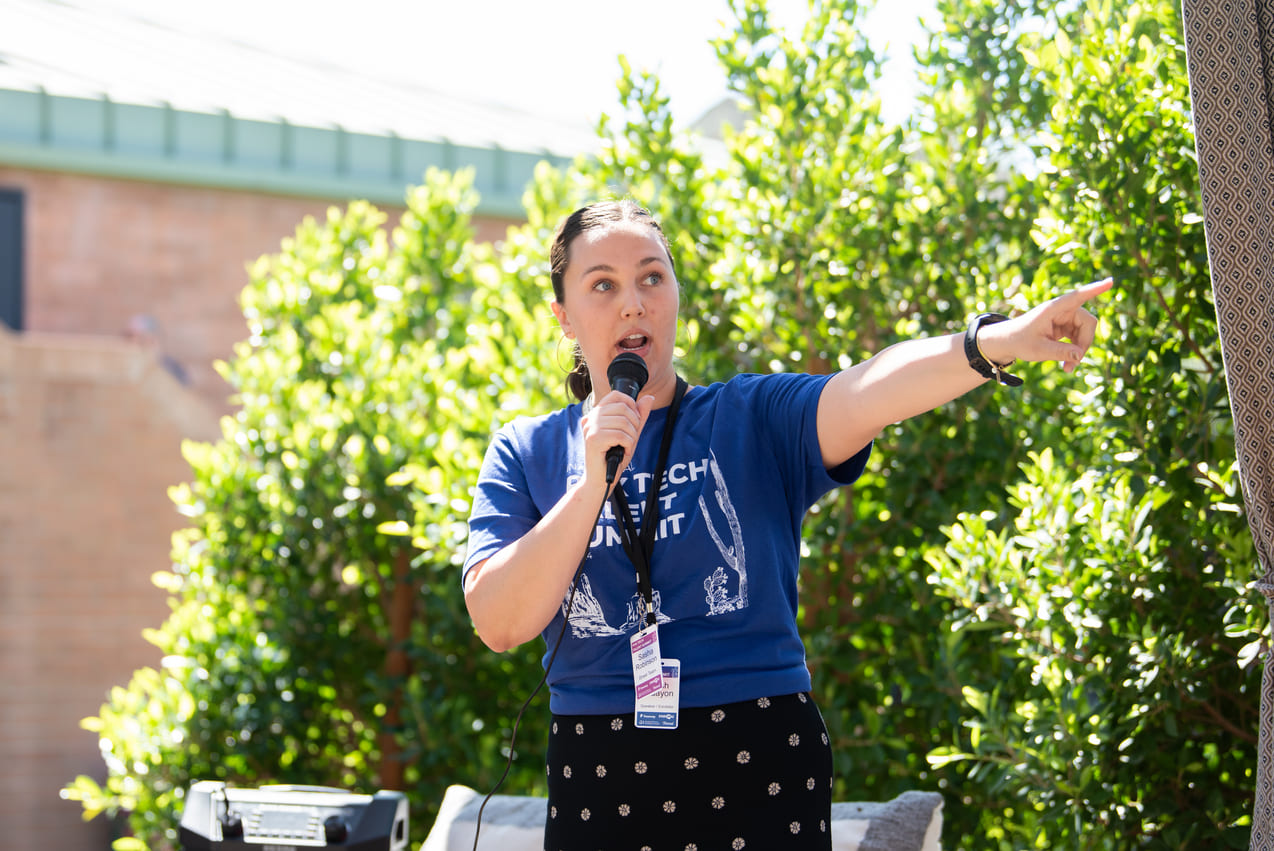
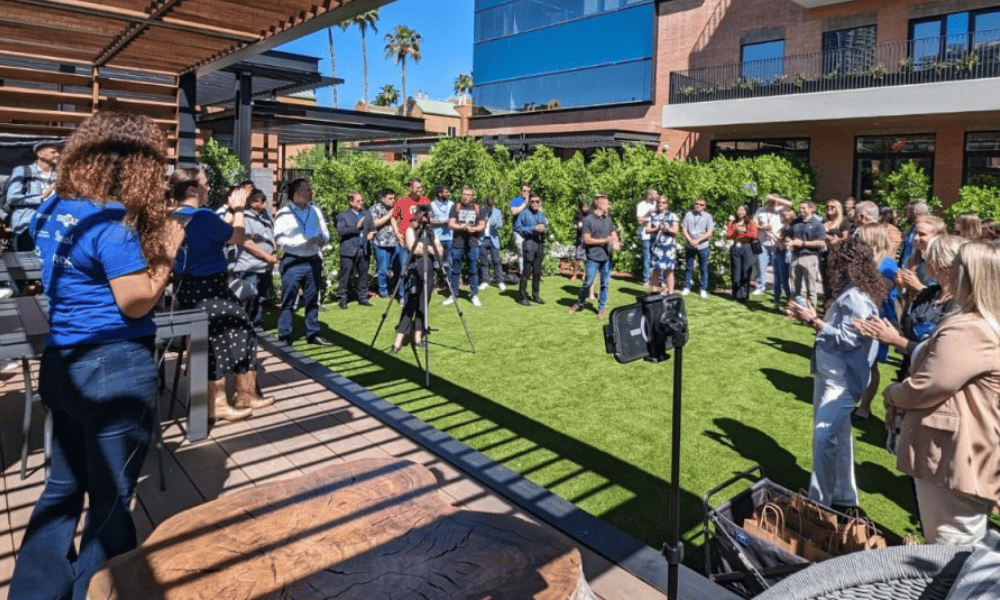
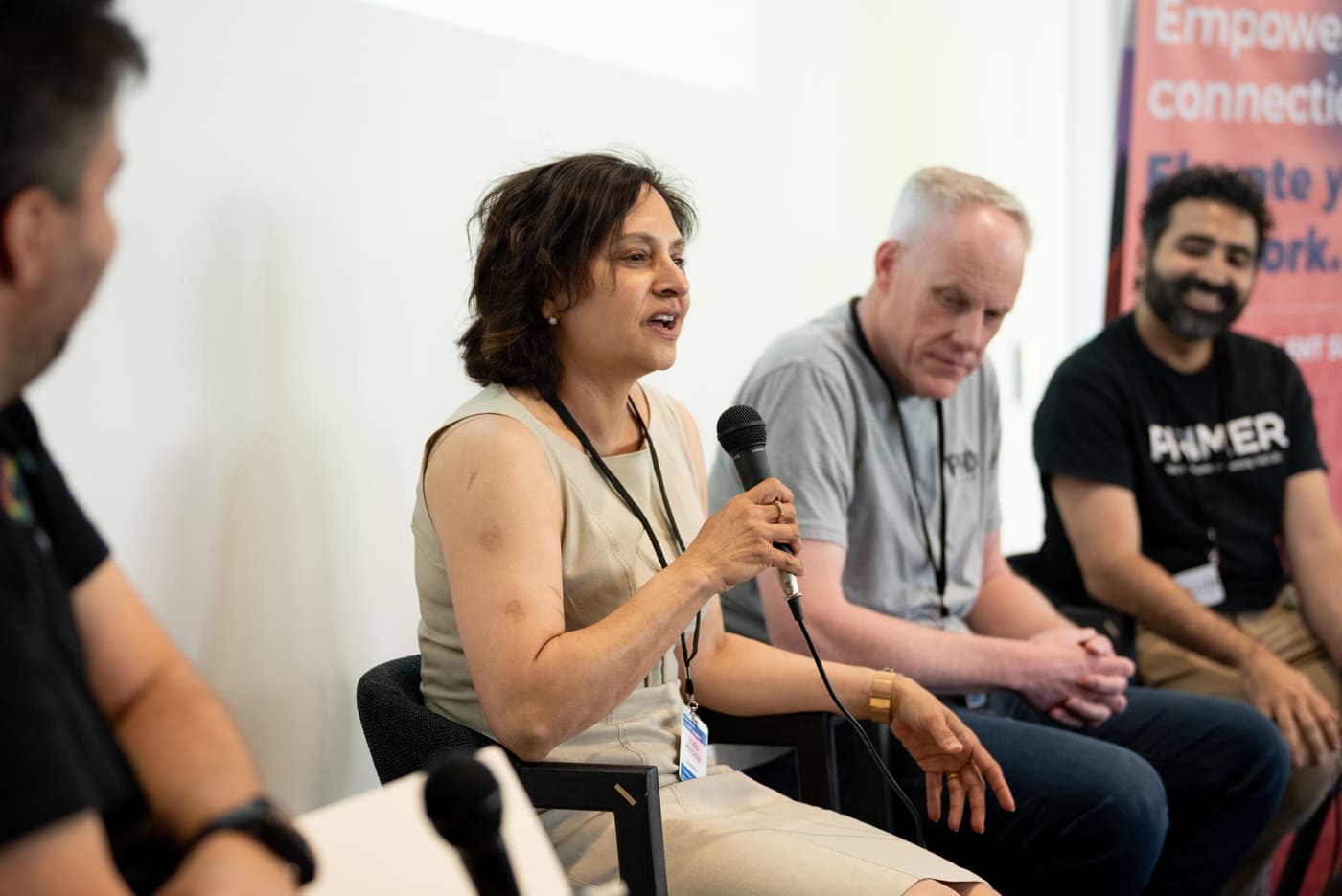
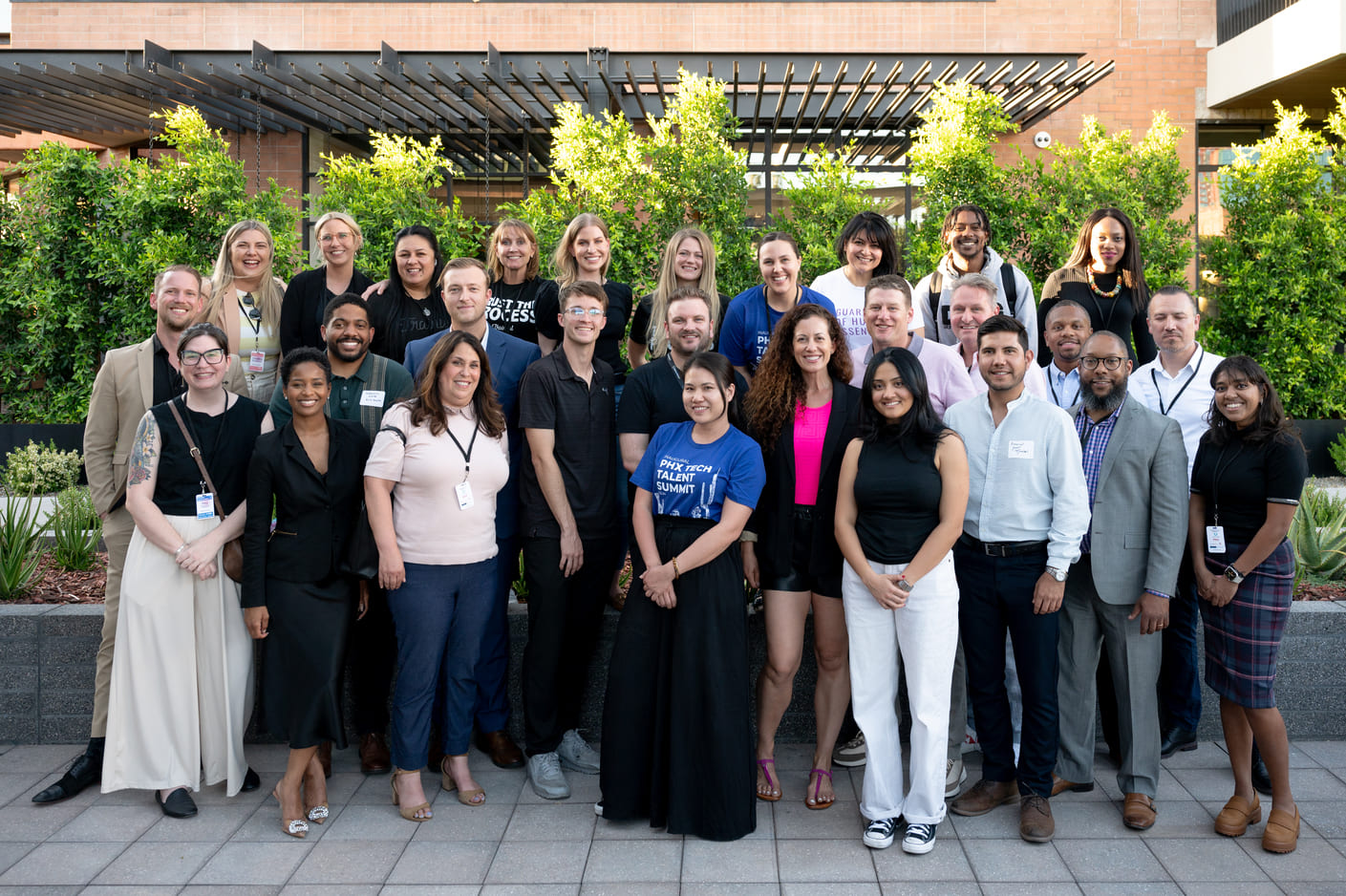
Internally here at Freeway, our Tech Talent Summit has become a cornerstone during Arizona Tech Week. The focus is less about “another mixer” and more about lining up the right talent with capital, and giving founders face time with engineers, mentors, or the rare investor who gets the defense pace. The feedback we hear is overwhelmingly positive - participants walk away with practical contacts, not just a list of who attended.
It’s a fair question: of all the options, why stake your defense tech company or next career move in Phoenix? According to the Greater Phoenix Economic Council (GPEC), you get an uncommon mix of logistics advantages, access to military assets, and an ecosystem that makes collaboration possible. Bring in public-private partners, university research, heavyweights like Honeywell, and supportive groups like Freeway, and suddenly you’re not just building in a vacuum. You’re plugged into a community that’s mapping out - and opening - the most promising opportunities.
Groups like the Arizona Technology Council and the Arizona Defense & Industry Coalition (AZDIC) play hand-in-hand with startups and operators to get doors open at the Department of Defense, cultivate new programs, and keep momentum building where it actually counts. Navigating the Phoenix defense tech landscape isn’t a mystery - there are clear on-ramps for those willing to engage.
One of the best signals a tech sector is maturing isn’t just founder activity, but how local money shows up for the long haul. Platforms like Tracxn highlight groups such as Arizona Tech Investors who are already leaning into defense deals. These investors don’t just appear for photo ops or hype - they stick with startups, contribute tactical advice, and help shape the next set of opportunities coming out of Phoenix.
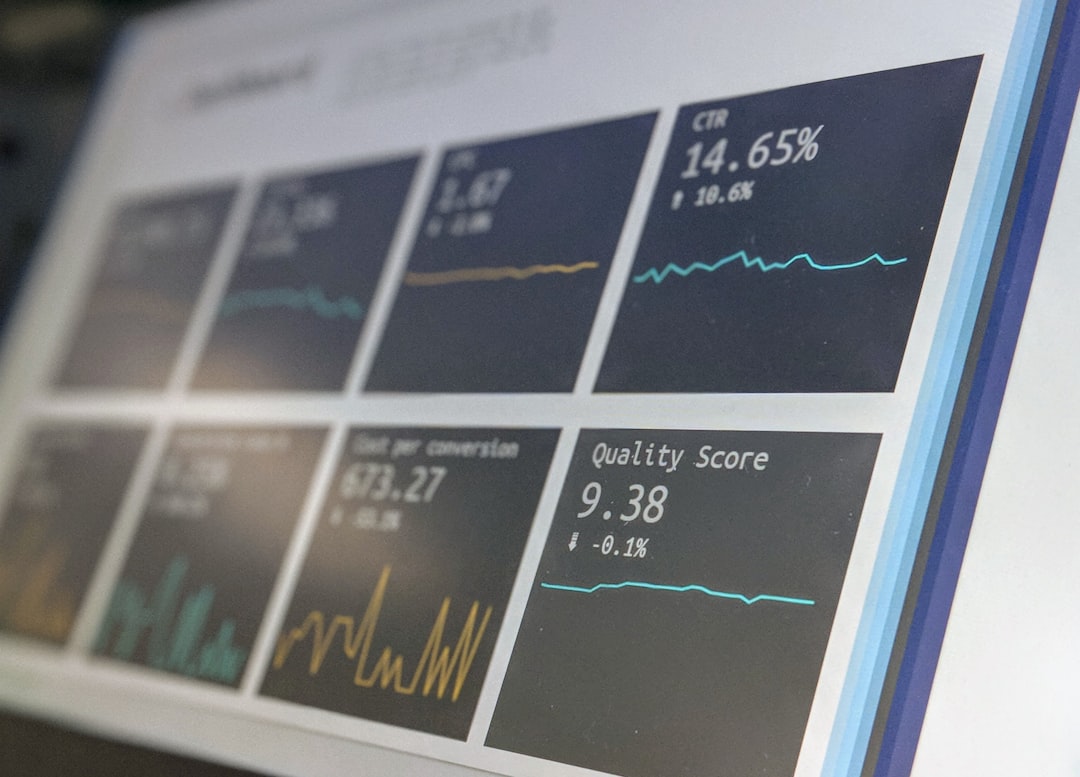
From where I sit, we’re seeing the practical value of facilitating introductions at the right moments, especially via tools like the Freeway Dashboard. Founders, investors, and talent are using this resource to see who’s engaged and where the energy is shifting - not waiting passively for updates.
If you want to see how Phoenix’s other advanced sectors are building on these lessons, check out our breakdown of Arizona Semiconductor Jobs: Startup & Supplier Roles Revealed, or see how applied AI is taking off in real companies in AI in Phoenix Startups: Practical Use Cases Emerging Now.
The Arizona Commerce Authority continues to highlight this region’s blend of legacy defense expertise and new startup energy. The state is building out workforce initiatives, supplier networks, and robust support for engineers and companies ready to make their mark. If you want more detail, review news directly from the Arizona Commerce Authority, which reflects why major players see Phoenix as a landing spot for both jobs and lasting careers.
The rapid pace of Phoenix defense tech means information is constantly evolving - founders, new entrants, and investors are still surfacing with each quarter. At Freeway, we’re focused on lowering the noise so you don’t have to navigate blind. From curated on-ramps to strategic introductions, our mission is practical: making the path into defense and advanced tech a little less complicated. For a deeper dive into how career pipelines are built, I recommend our post on Arizona Workforce Development Tech, which explores efforts across sectors to equip the next wave of founders and job seekers.
Ready to see who’s active, who’s hiring, or where you fit in? The Freeway Dashboard is built exactly for this - connecting talent, capital, and opportunity under one digital roof.
If there’s one thing we emphasize at Freeway, it’s that access in Phoenix isn’t broken; it’s just not always visible. That’s why our mission centers on making the Phoenix defense tech ecosystem practical, welcoming, and useful for everyone who’s serious about contributing. Repeated connections beat one-off introductions every time. So whether you’re a founder, operator, or just testing the waters, explore the Freeway community or jump into the Freeway Dashboard - where talent, capital, and community actually meet. If you want more about the philosophy shaping this ecosystem, you might also want to read my recent thoughts on Arizona’s venture GDP strategy on LinkedIn. The invitation to connect is always open.






































.png)


.png)

.png)





Where talent meets capital and community
































.png)



.png)
.png)