
Arizona venture capital is shifting fast in 2026, and if you’re fundraising right now, you can feel it in the conversations. Investors are still writing checks, but they’re rewarding the teams that show real proof: defensible tech, capital-efficient execution, and a plan that can scale beyond the state without pretending Phoenix is “the next” anything.
From where I sit, access in the Phoenix startup ecosystem isn’t broken. It’s just not obvious until you know which communities meet consistently, which operators actually make intros, and which investors are actively deploying. My goal with this post is to make that a little more visible for you, so you spend less time guessing and more time building momentum.
We’ll talk about what’s changing in venture capital Arizona 2026, how to think about Phoenix VC firms without chasing logos, and a practical way to prep for Arizona startup funding that doesn’t turn your raise into a spreadsheet endurance test.
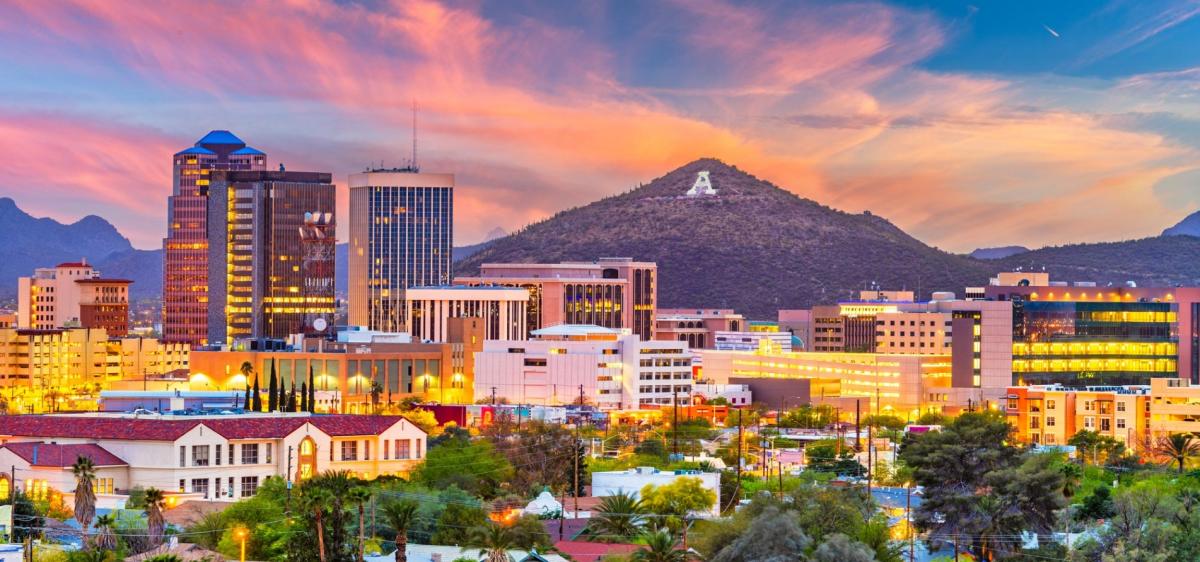
If you’re building in Phoenix, Tempe, Tucson, or Flagstaff, you already know the obvious advantage: you can stretch a dollar. But what’s quietly becoming more important is the mix of talent, operators, and industry adjacency that makes certain companies easier to build here than in higher-cost hubs.
Arizona’s also past the “new ecosystem” label. You’re raising in a market with repeat founders, real exits, and a growing set of institutions and funds that know how to underwrite risk. The Arizona Technology Council has been tracking this maturation and why investors and founders are increasingly betting on Greater Phoenix, especially as local infrastructure catches up to the pace of company creation. You can read their take at Arizona Technology Council.
So when you pitch Arizona, don’t pitch it like a side quest. Pitch it like what it is: a place where disciplined builders can move fast, hire well, and prove traction without needing a coastal zip code to feel legitimate.
Here’s one thing I don’t want you to miss: Arizona venture capital is not only a seed-stage story anymore. In 2026, you’re seeing more meaningful follow-on rounds, especially for companies aligned with Arizona’s real-world strengths.
That tends to show up in categories like:
A recent example that caught a lot of attention was Phoenix-based Solestial raising a $60M Series B, which is the kind of round that signals follow-on capital is available when fundamentals are strong and the story travels beyond the region. Visible.vc has a useful roundup of Arizona investors and founder resources, including that deal, at Visible.vc.
What I’d plan for if you’re raising this year: more rigor. Not performative diligence, but real diligence. Investors want to see clean data rooms, clear unit economics (or at least a believable path to them), and straight answers on what could break. If you can do that, Arizona becomes an advantage, not an asterisk.
When founders ask me what “works” in the current Arizona market, I usually answer with a question: what signal are you giving investors to repeat when you’re not in the room? Because in a relationship-driven ecosystem, your story gets carried by other people, and it needs to be easy for them to tell it correctly.
In 2026, the patterns I see investors responding to most often look like this:
None of this requires you to sound like a fintech Twitter thread. It requires clarity, consistency, and the kind of progress that makes your metrics feel inevitable instead of hypothetical.
If you’re chasing Arizona startup funding, your job is not to meet every investor in town. Your job is to build a list that matches your stage, your sector, and the check sizes you actually need, then create warm paths that make outreach feel human instead of random.
If you want a starting map of Phoenix VC firms and venture groups, Flowlie’s overview is a decent scan of who’s in the mix. Use it to orient yourself, then do your own validation based on current activity and portfolios. Here’s that list: Flowlie’s Phoenix VC firm breakdown.
When you’re filtering, I’d use lenses like these instead of reputation or logo density:
If you want a fast, repeatable workflow for turning ecosystem info into a prioritized investor list, we laid out our internal method in Build Investor List Fast: 30-Min Ecosystem Data Play. The point is not to build a perfect database. The point is to build a list you can move through with intention.
I talk a lot about Talent, Capital & Community because in Arizona they’re not separate lanes. They’re one system. Your best intro to an investor might come from an operator you met through a hiring conversation. Your best hire might show up because someone saw you building in public at a community table. That’s not philosophy. That’s how Phoenix actually works.
It’s also why people sometimes describe the Phoenix startup ecosystem as “spread out.” It is. But it becomes navigable once you find repeated points of connection. Not one-off events. Repeated rooms where trust builds and context travels.
If you’re deciding where to show up consistently, I wrote a guide on the difference between broad meetups and deeper communities, and when each one matters. It’s here: Phoenix Startup Meetups vs Communities: What You Need.
Let’s be honest about the constraint: Arizona’s total VC volume is still smaller than California or New York. That matters most if you’re building something capital-intensive or you’re aiming for a larger Series A or B. The upside is that local capital can increasingly get you to meaningful milestones, and it can also be the base layer that helps you pull in out-of-state funds when the round grows.
If you want to raise efficiently in 2026, I’d plan around four practical moves:
To make the ecosystem easier to navigate while you do all of that, use the Freeway Dashboard as your map for investors, companies, and the broader Phoenix tech ecosystem. It won’t replace real relationship-building, but it will help you stop operating from fragments and half-remembered introductions.
Is Arizona venture capital mostly seed-stage?
It used to skew earlier, but the mix is shifting. In 2026, you’re seeing more credible follow-on and growth financing, especially in energy, climate, and deep tech when companies hit real technical and commercial milestones.
Which sectors are most fundable in Arizona right now?
B2B software is still active, and healthcare technology, energy, and hardware-adjacent startups are drawing increasing attention. The common thread is measurable traction and a scaling plan you can explain without hand-waving.
Do you need out-of-state investors to close an Arizona startup funding round?
Not always for pre-seed or seed. For larger rounds, out-of-state participation can help, especially when you’re pushing into bigger check sizes or more specialized categories. A lot of teams use Arizona investors as the foundation, then bring in national funds as the round expands.
How do you avoid wasting time with the wrong Phoenix VC firms?
Filter hard on stage, check size, and thesis. Then prioritize warm introductions through founders and operators who can share context. A smaller list of high-fit investors almost always beats a massive spreadsheet of “maybe.”
What’s one thing you can do this week to improve your odds?
Make your story easier to repeat. Tighten your one-liner, define your ICP in plain language, and be specific about what this round unlocks. Then show up in a Trusted Community room where people will actually see you execute, not just pitch.
Arizona venture capital in 2026 isn’t about chasing a trend. It’s about recognizing that Phoenix and the broader state now have real investor activity, stronger sector themes, and more outside attention looking for disciplined execution.
If you want to raise with less noise, focus on fit, build warm paths through Trusted Community channels, and use ecosystem maps to stay organized. That’s why I built Freeway as an on-ramp into Phoenix’s tech ecosystem. When you can actually see the market, you can move through it with intention.
If you’re actively fundraising or planning a raise in the next 6 to 12 months, plug into Freeway, and keep showing up where talent meets capital and community.


























.png)


.png)
.png)




Where talent meets capital and community























.png)

.png)
.png)
.png)