Startup mentors Phoenix founders trust are usually not “out there waiting.” You meet them while they are already doing the work, showing up in the same rooms, advising inside a program, or quietly helping a handful of founders they respect.
I'm the founder and I run Freeway. If you’ve been trying to map the Phoenix startup ecosystem, you’ve probably felt this: access is not broken here, it is just hard to see until you learn the rhythm. This post is my practical guide to finding mentorship in Phoenix, asking in a way that doesn’t feel awkward, and turning one good conversation into a relationship that actually moves your company forward.
When you say “I need a mentor,” most people hear “I need general advice.” That’s not helpful for you, and it puts the other person in a weird spot.
Instead, pick the mentorship type that matches the decision sitting in front of you right now. In Phoenix startup mentorship, I see these categories come up over and over:
Once you name your bucket, everything gets simpler. You stop “collecting advice” and start looking for fit. And good mentors are not just answering questions. They help you sharpen the question, then they point you toward the next right person.
Phoenix is relationship-driven in a very real way. You can absolutely meet someone once and have it matter, but the mentorship that compounds usually comes from repeated connection. Think consistency over cleverness.
If you want sustained guidance, prioritize spaces that create trust over time. One-off events can be fine for awareness. Deeper communities are where people learn how you think, whether you follow through, and what kind of builder you are.
If you’re unsure where to invest your time, I wrote a clear breakdown on the difference between quick meetups and deeper ecosystems in Phoenix Startup Meetups vs Communities: What You Need.
Your goal is not to stack mentors like trading cards. Your goal is to earn a reputation for being clear, coachable, and consistent. In Phoenix, that reputation travels faster than you think.
Mentorship programs Arizona offers can be a strong shortcut when you have a real constraint and you want structured exposure to experienced operators. The key is to join intentionally.
Some programs are milestone-heavy and push you hard on execution. Others are more exploratory. Neither is “better.” The right fit depends on your stage and what is currently blocking you.
If you’re considering an accelerator or incubator mainly to get access to mentors, run it through this filter first: Phoenix Accelerators: Choose the Right Program or Skip.
One more honest note: programs cost attention. If you join one, show up like you mean it. Do the prep. Ask precise questions. Then move quickly on feedback so mentors can see their time is creating progress.
A lot of Arizona investors mentor founders informally long before a check is on the table, especially in pre-seed and seed. You get better guidance when you treat the relationship like learning, not like a pitch-in-disguise.
If fundraising is part of your path, do yourself a favor and understand the basics so you can engage responsibly. The Arizona Corporation Commission has an investor education section that covers core concepts, risks, and what to watch for.
Also, relationship-building early is the game. I see founders wait until they “need” capital, then wonder why conversations feel cold. If you want a more Phoenix-specific approach to building those connections first, this is a helpful read: Angel Investing Arizona: Build Relationships Before You Need Funding.
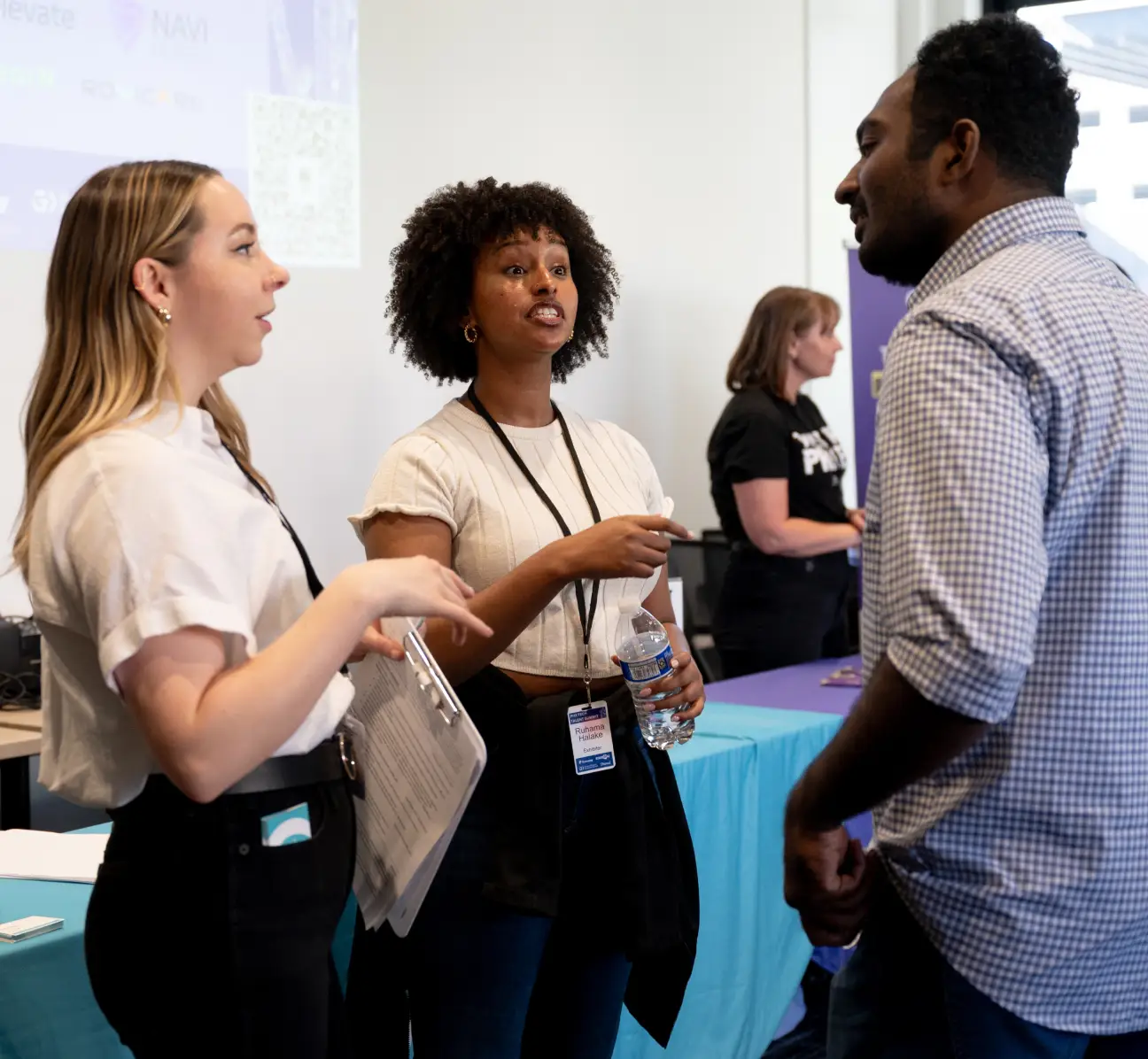
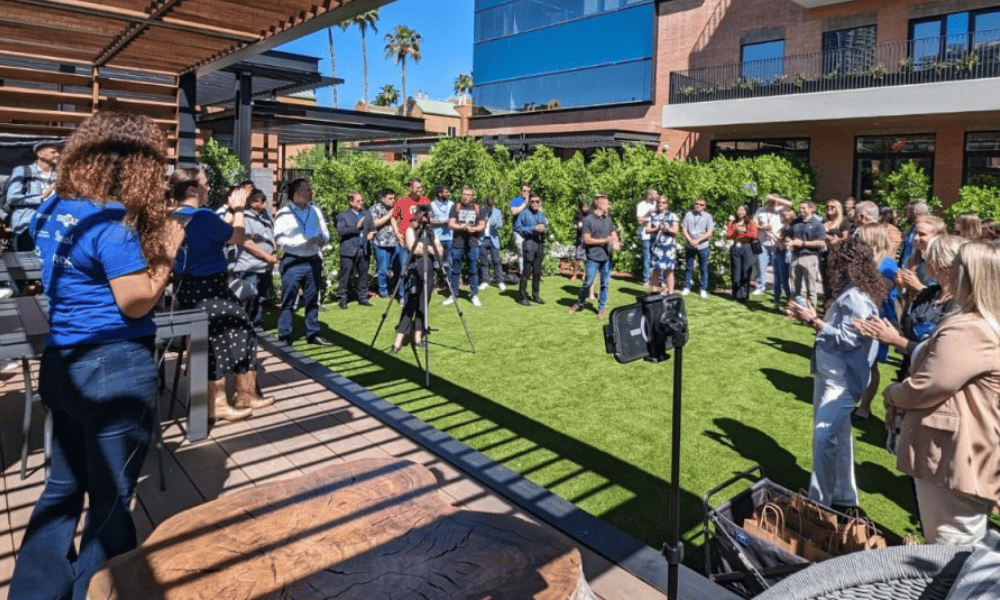
If your calendar is packed and you need efficient mentor access, go where the room is curated. I’m biased, but for good reason: we build Freeway experiences around Talent, Capital & Community on purpose, because that mix changes what conversations are possible.
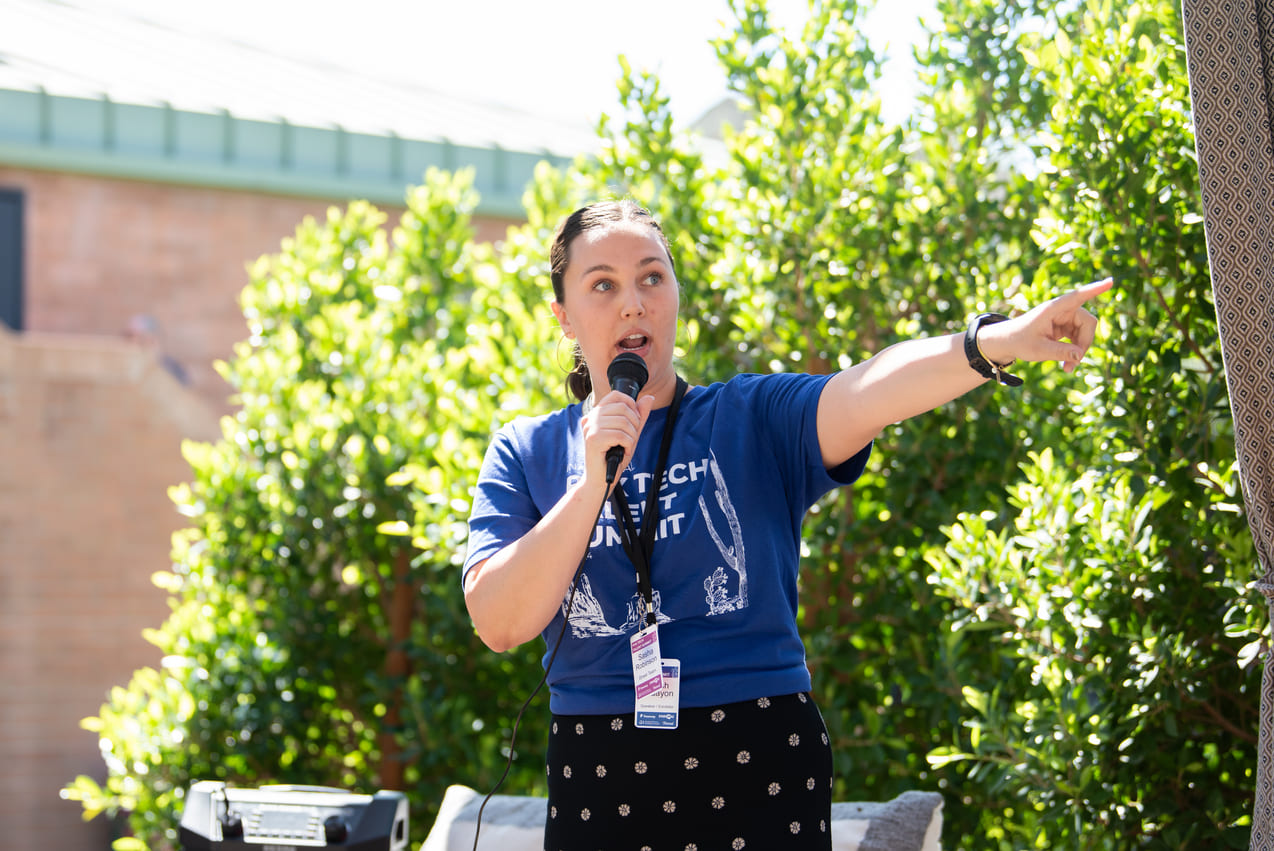
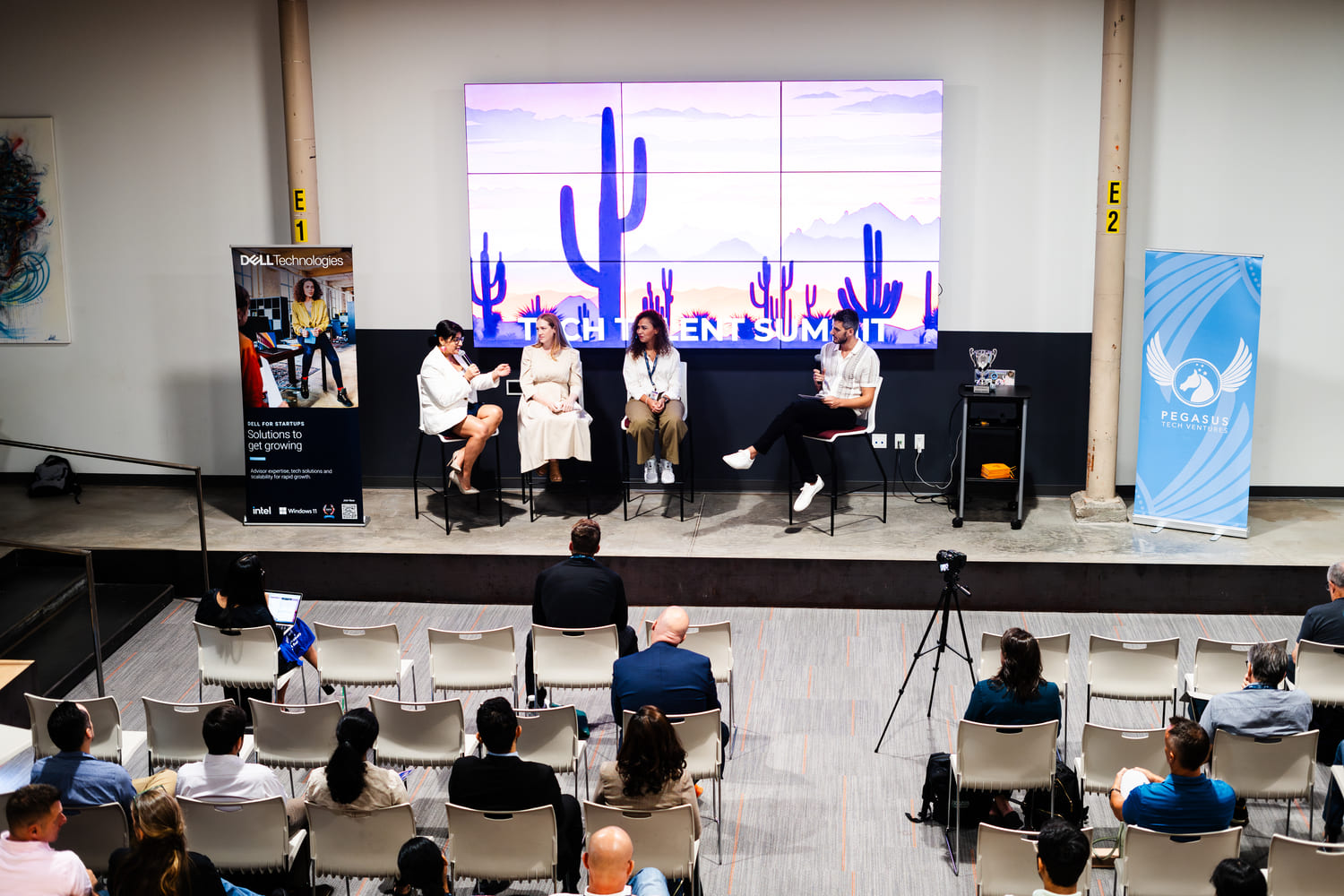
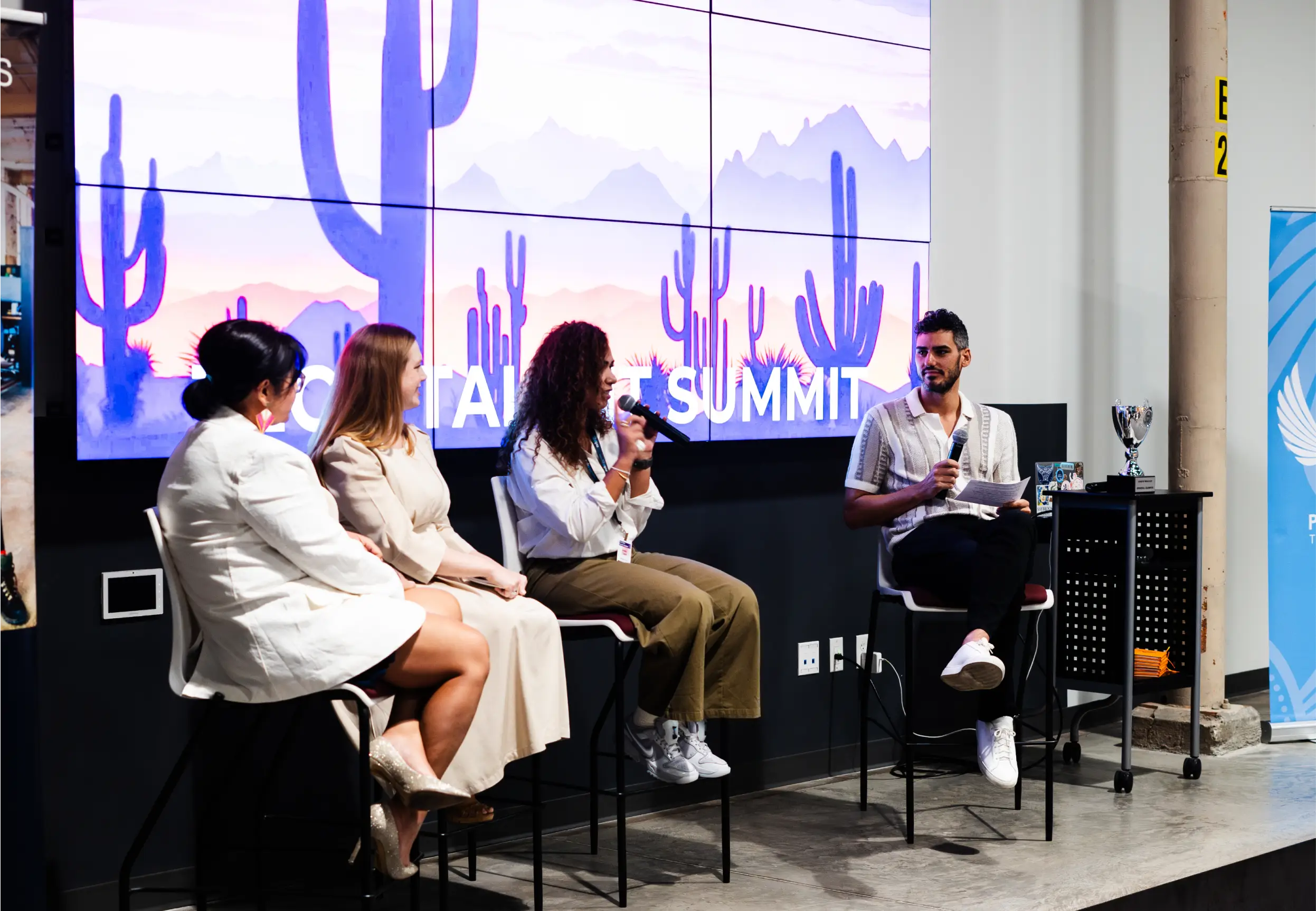
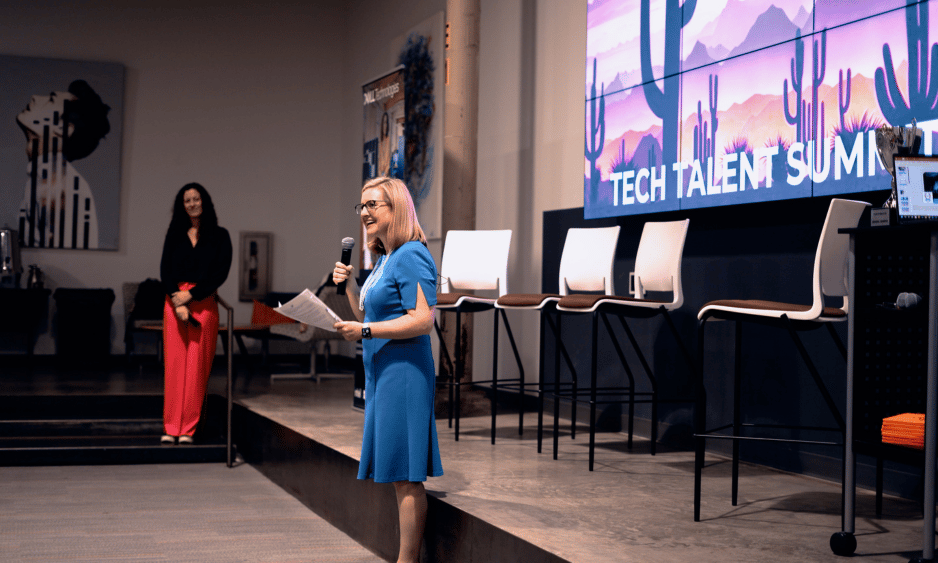
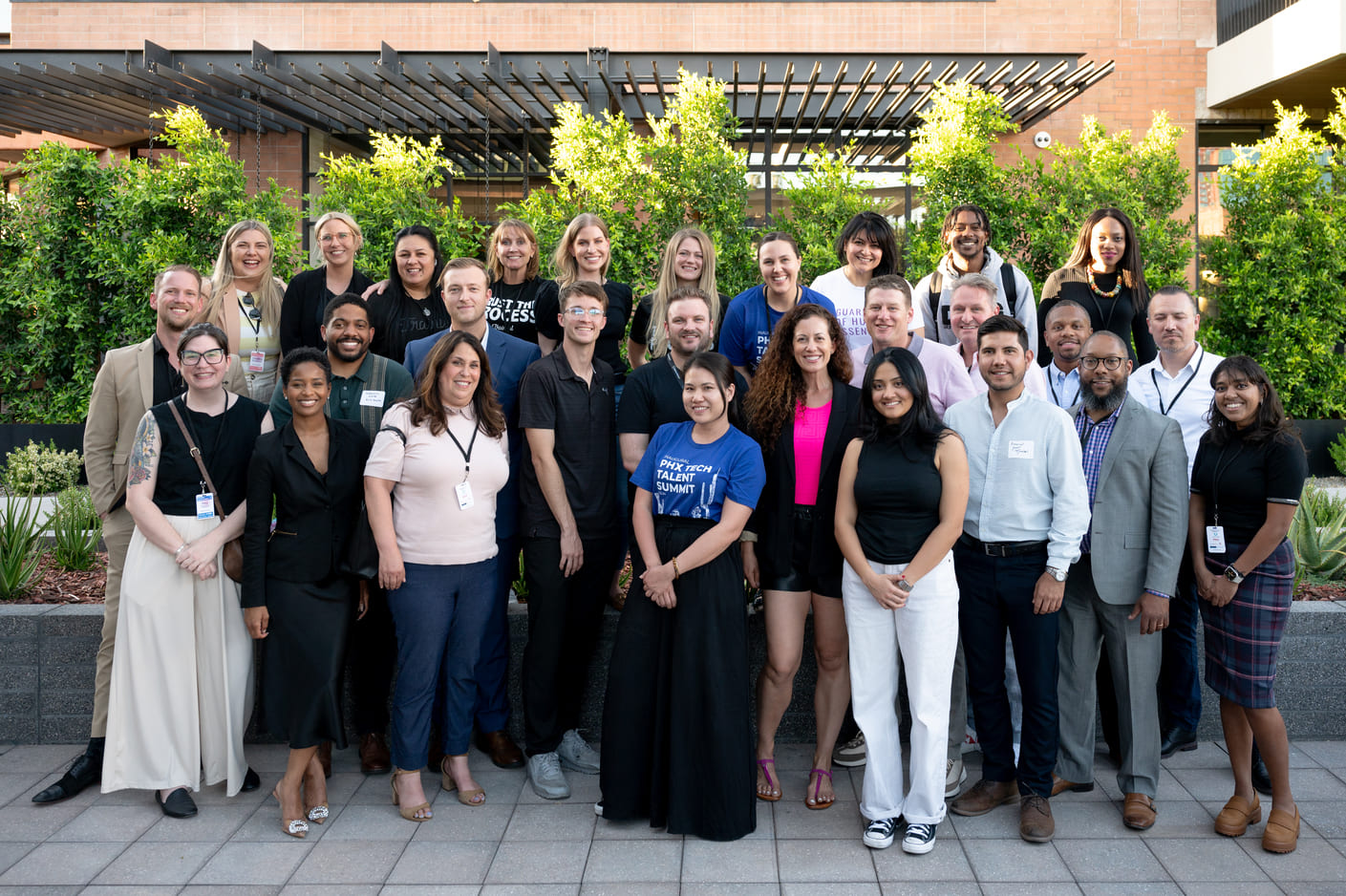
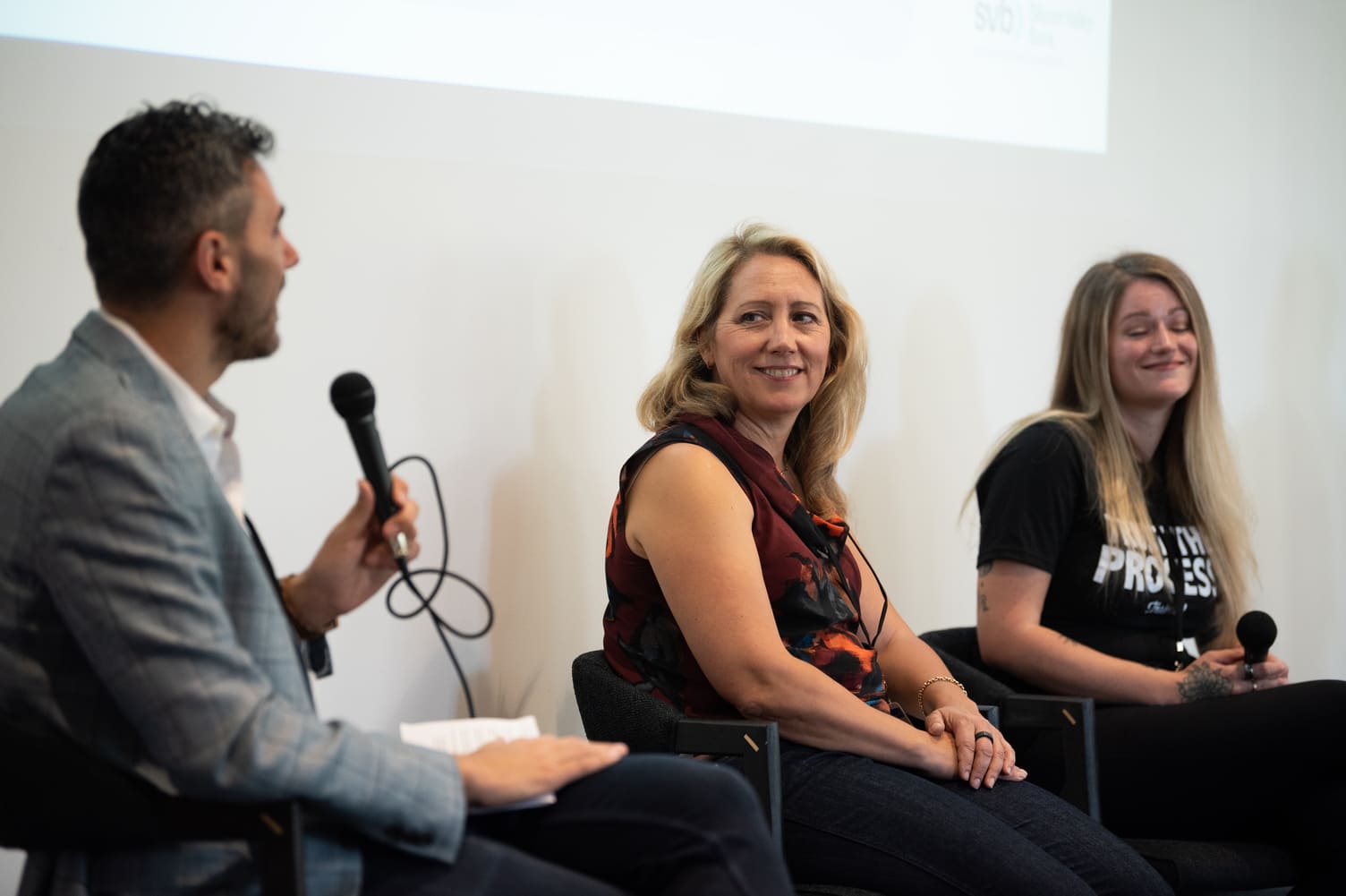
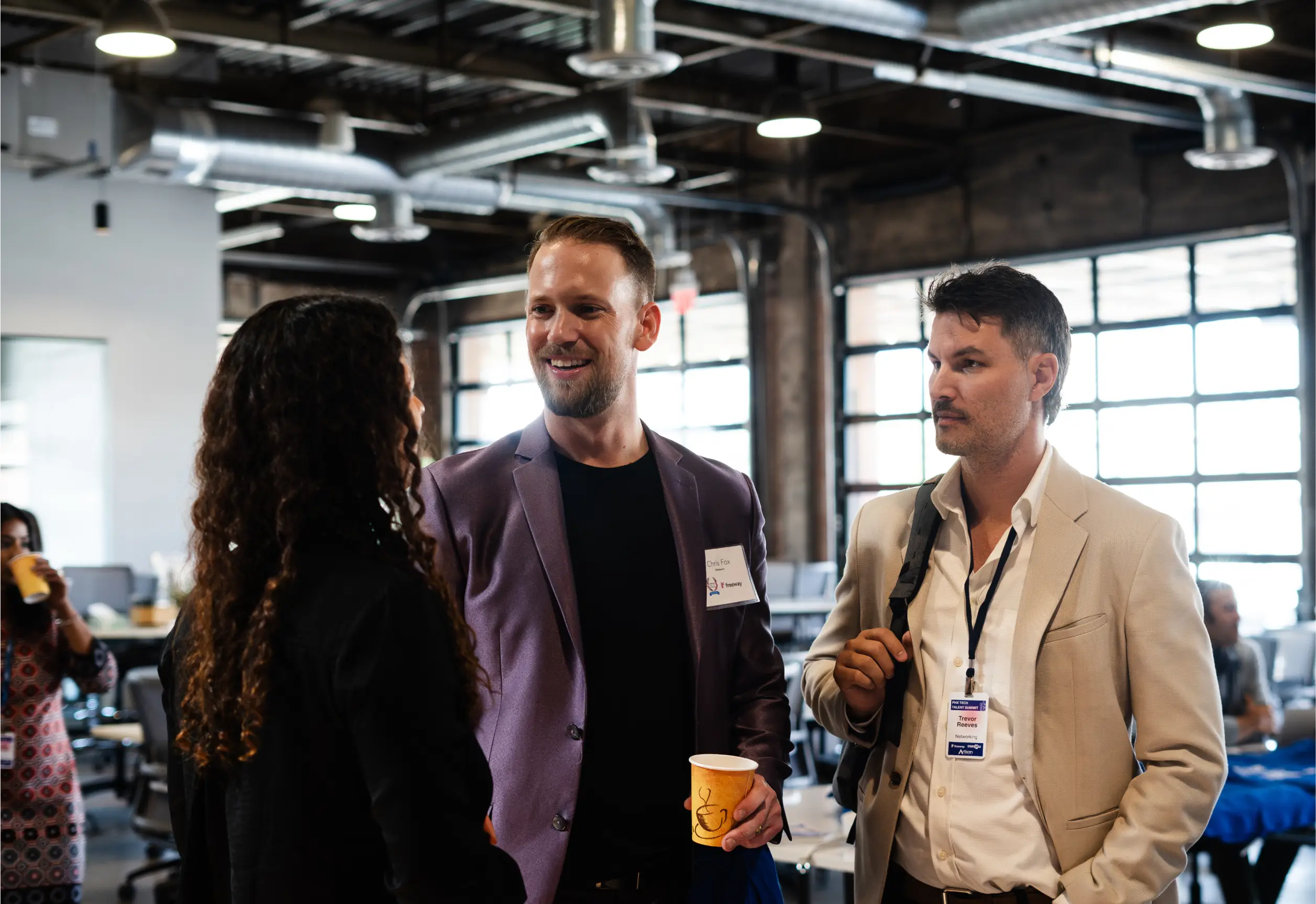
That’s exactly why we run the Tech Talent Summit. The goal is not “more networking.” The goal is better context, the right people in the room, and follow-ups that lead to something concrete.
For a mentor, the event itself is almost never the outcome. The outcome is the next focused conversation because you were specific about what you’re building and what kind of help would actually matter.
Most mentorship asks fall apart for a simple reason: the request is too big, too vague, or too open-ended. People say no because they cannot tell what “yes” means.
Here’s the structure I recommend. It respects time, it creates clarity, and it makes it easy for someone to help you quickly.
Use this template over email or LinkedIn, then rewrite it in your own voice so it sounds like you, not a copy-paste.
Example message: “Hi [Name], I’m building [company] in Phoenix helping [customer] achieve [outcome]. I’m stuck on [decision] and noticed you’ve worked on [relevant thing] at [company/role]. Would you be open to a 20-minute call so I can pressure-test two options and leave with a clear next step? I’ll send a one-page overview and 3 questions ahead of time. I’m free Tue 9 to 11am or Thu 1 to 3pm, whichever is easiest.”
If you want a mentor to lean in, make it easy to help you. Send a short prep doc about 24 hours before you meet. Keep it tight. If you cannot explain the decision simply, that’s a sign you need to clarify the decision before you ask for feedback.
On the call, take notes. Repeat back what you heard to make sure you got it right. Then close with one concrete next step you will execute within 7 days. That follow-through is what turns a “nice chat” into real Arizona founder mentorship.
I see founders make this mistake: they have a great first conversation, then immediately ask, “Will you be my mentor?” That puts pressure on the relationship before there’s a rhythm.
Instead, earn the second touchpoint. Here’s how:
Mentors are not only evaluating your business. They’re watching your behavior under uncertainty. Coachability and consistency are signals Phoenix mentors respect.
When I talk about building Arizona’s startup infrastructure, I’m not talking about “more events.” I’m talking about coordination, visibility, and reducing friction so the right people can actually find each other.
If you want the longer version of that philosophy, I laid it out in this piece: Increasing Arizona’s Venture GDP. The short version is this: if you make the rooms clearer and the on-ramps easier to navigate, mentorship stops feeling like a lottery and starts feeling like a system you can participate in.
Do you need one formal mentor to succeed in Phoenix?
No. What usually works better is a “mentor bench.” Aim for 3 to 5 people who each cover a lane, like GTM, hiring, fundraising, and domain expertise.
When should you join mentorship programs Arizona offers?
Join when you can name the bottleneck you’re solving and you can commit to showing up. If your market is still fuzzy, you may get more value from customer discovery and community conversations first.
How do you choose the right startup mentors Phoenix has for your stage?
Match stage to experience. Pre-revenue founders benefit most from discovery and early go-to-market operators. If you’re scaling delivery or building a team, look for people who have built systems and managed growth without breaking culture.
What’s the biggest mistake founders make when asking for mentorship?
Asking for too much, too soon. “Can you mentor me?” is a heavy request. A small, specific ask with clear context is respectful and far more likely to lead to a second conversation.
How do you keep mentorship from turning into endless advice?
Anchor each conversation to a decision, a metric, and a next experiment. Great mentorship shows up as progress, not as more meetings.
If you want startup mentors Phoenix founders genuinely learn from, lean into repeat connection, clear asks, and follow-through. Mentorship is not a hack. It’s a relationship layer that gets stronger when you respect time, do the work, and stay consistent.
At Freeway, we build the on-ramp into Phoenix’s tech ecosystem, where talent meets capital and community. If you want help finding the right rooms and the next best conversation, start with the Freeway Dashboard, then come introduce yourself inside the community.
































.png)


.png)
.png)



Where talent meets capital and community


























.png)