
Get hired at a startup Phoenix roles faster by treating your search like community participation, not a spreadsheet of cold applications. I’m Daniela, the founder of Freeway, and I’ll tell you the quiet part out loud: in Phoenix, a lot of hiring happens because someone has seen you show up, do what you said you’d do, and be useful in small, real ways. Long before a job post appears, people are already building a shortlist in their heads.
If you have been applying around Tempe, Scottsdale, and downtown Phoenix and hearing nothing back, that does not automatically mean you’re underqualified. More often, it’s a visibility problem in a market that is spread out and moving fast. Phoenix has talent. It also has distance, siloed circles, and founders who do not have time to sift through a mountain of “quick applies.”
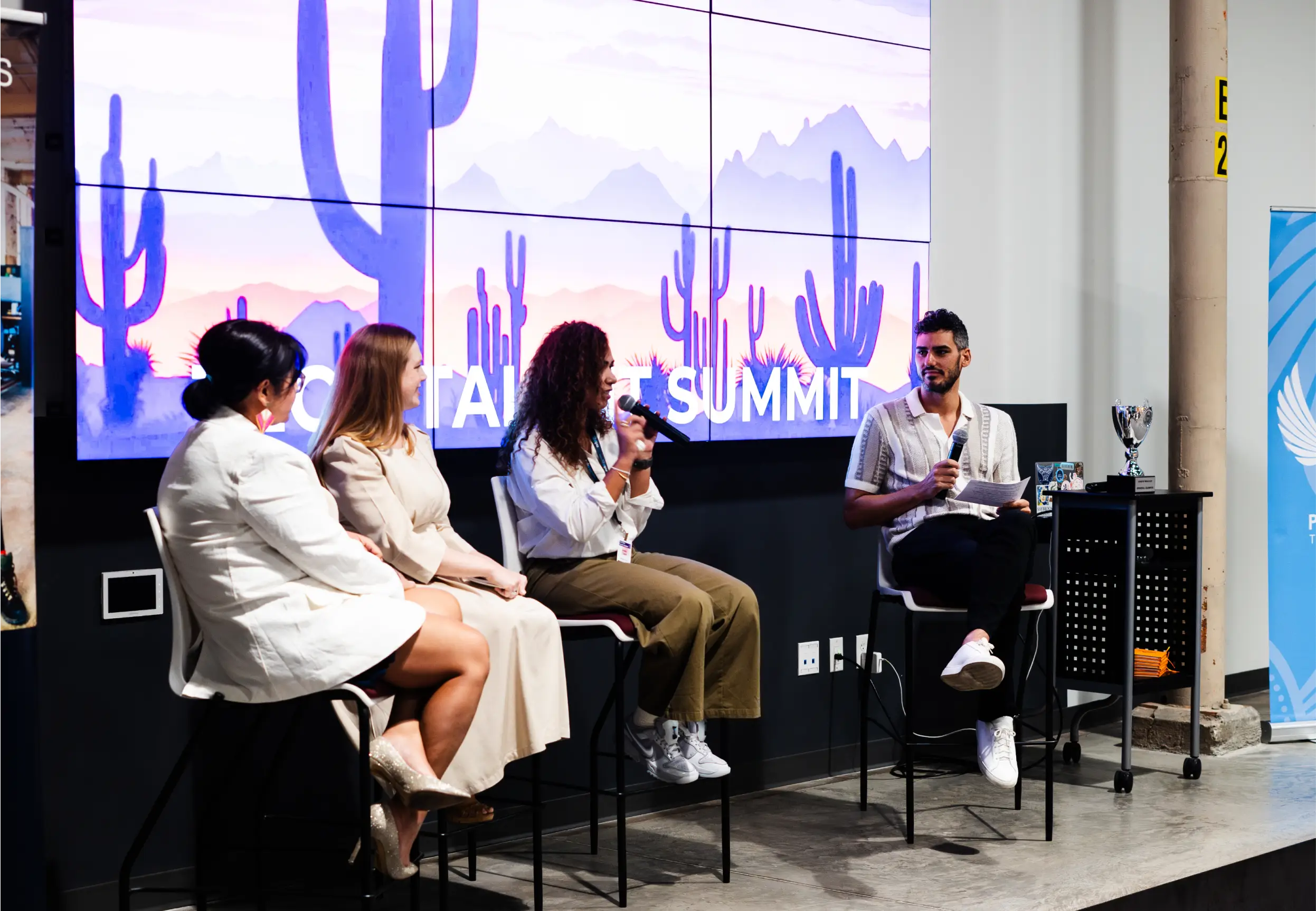
At Freeway, we operate from a simple belief: access is not broken in Phoenix; it is just hard to see. When you step into the right rooms consistently, your work becomes easier to reference, recommend, and trust. Here’s the community-first playbook I’d want you using if we were talking across a coffee table after an event.
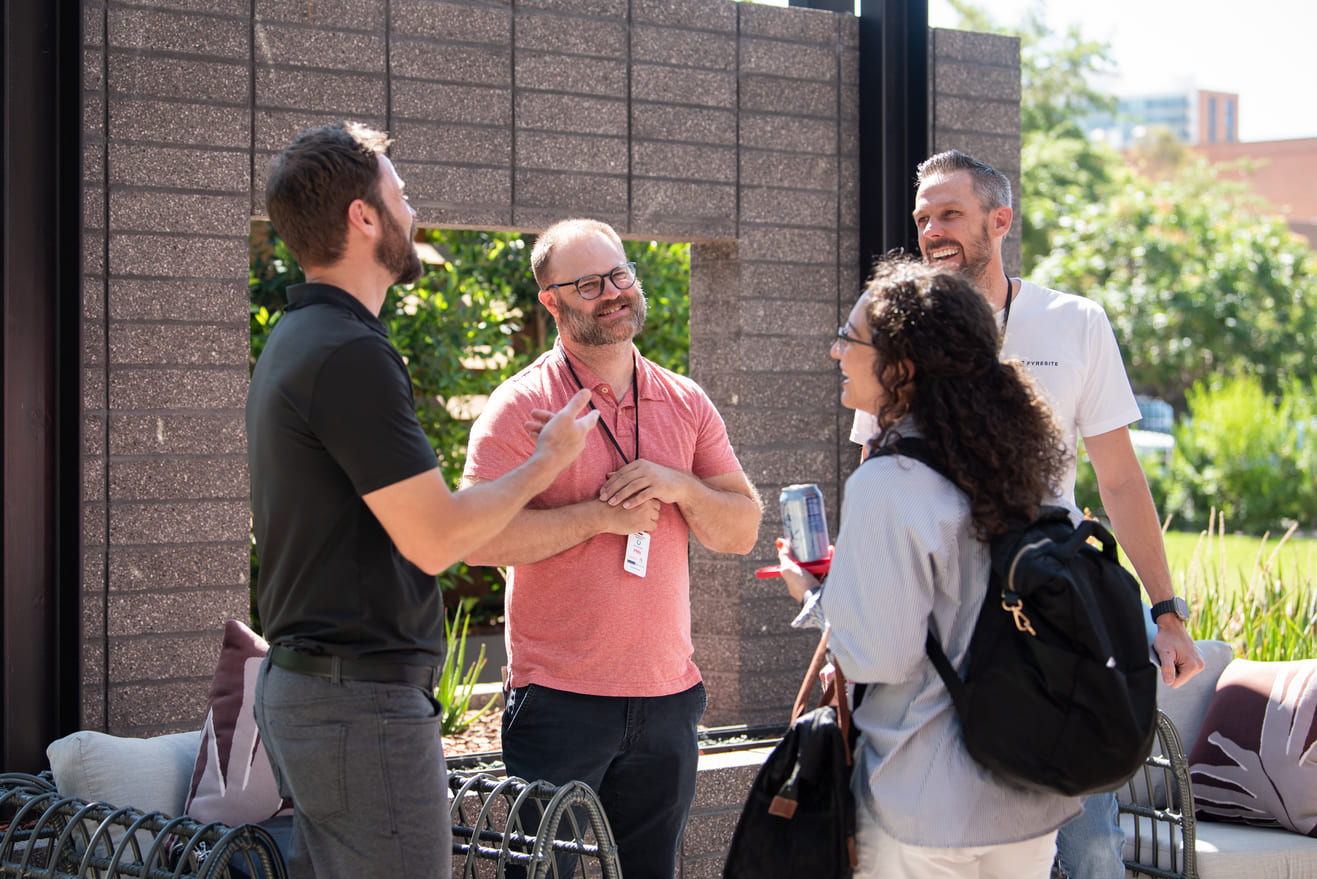
Phoenix is huge geographically, but the startup scene is smaller than it looks. People trade notes. They ask, “Have you met them?” and “Do they follow through?” That’s why relationship signals travel faster than a polished PDF.
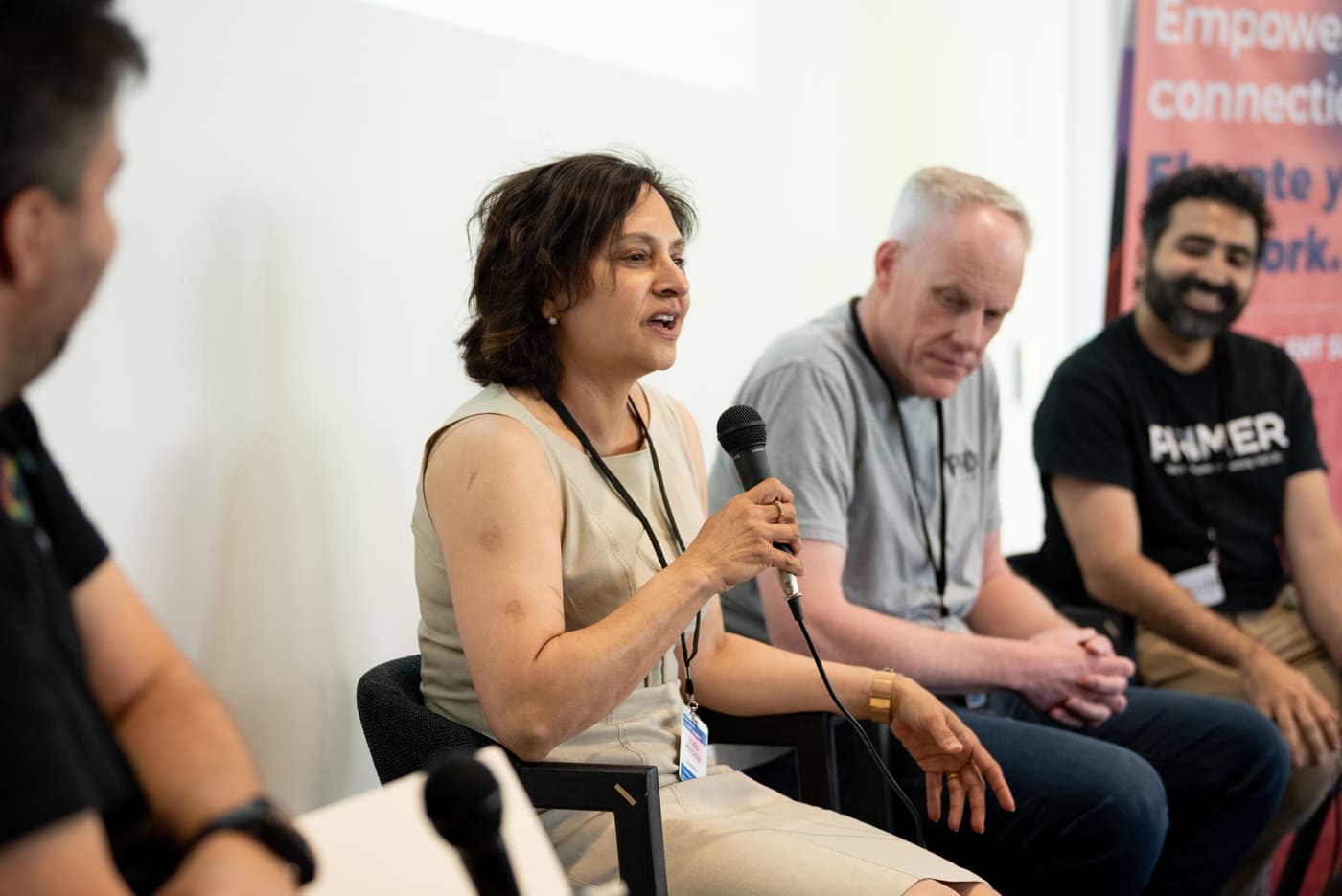
You can see this culture in the grassroots energy behind the Greater Phoenix Economic Council storytelling about the region’s momentum, and in the connective tissue of community movements like #yesphx, where founders, operators, and job seekers bump into each other through mentorship and peer support. Those informal overlaps are often where the first hiring conversation starts, even if nobody calls it “recruiting.”
Also, early-stage teams are juggling product, customers, and capital. A warm introduction or a familiar face reduces risk. When someone already knows how you think and how you communicate, you become easier to evaluate.
Phoenix has depth. The local workforce includes experienced engineers, operators, and GTM leaders, and more startups are choosing to build here because the talent bench is real. You’ll see the region’s focus on software and advanced industries reflected across public ecosystem reporting and workforce coverage from groups like the Greater Phoenix Economic Council, including their work on the strength of the local software workforce.
Here’s the tradeoff: when the talent pool is strong, “apply and wait” becomes a weaker strategy. To stand out, you need two things:
If you want your experience to land, you have to connect it to their current constraint. Not their job description. Their constraint.
If you’re trying to reduce randomness, don’t chase every event. Anchor yourself in a few repeatable entry points where the same builders return over time.
One consistent option is Startup Grind Phoenix. Their monthly format makes it easier to see the same people again and again, and that repetition matters. It turns “nice to meet you” into “good to see you again,” which is where trust starts to form.
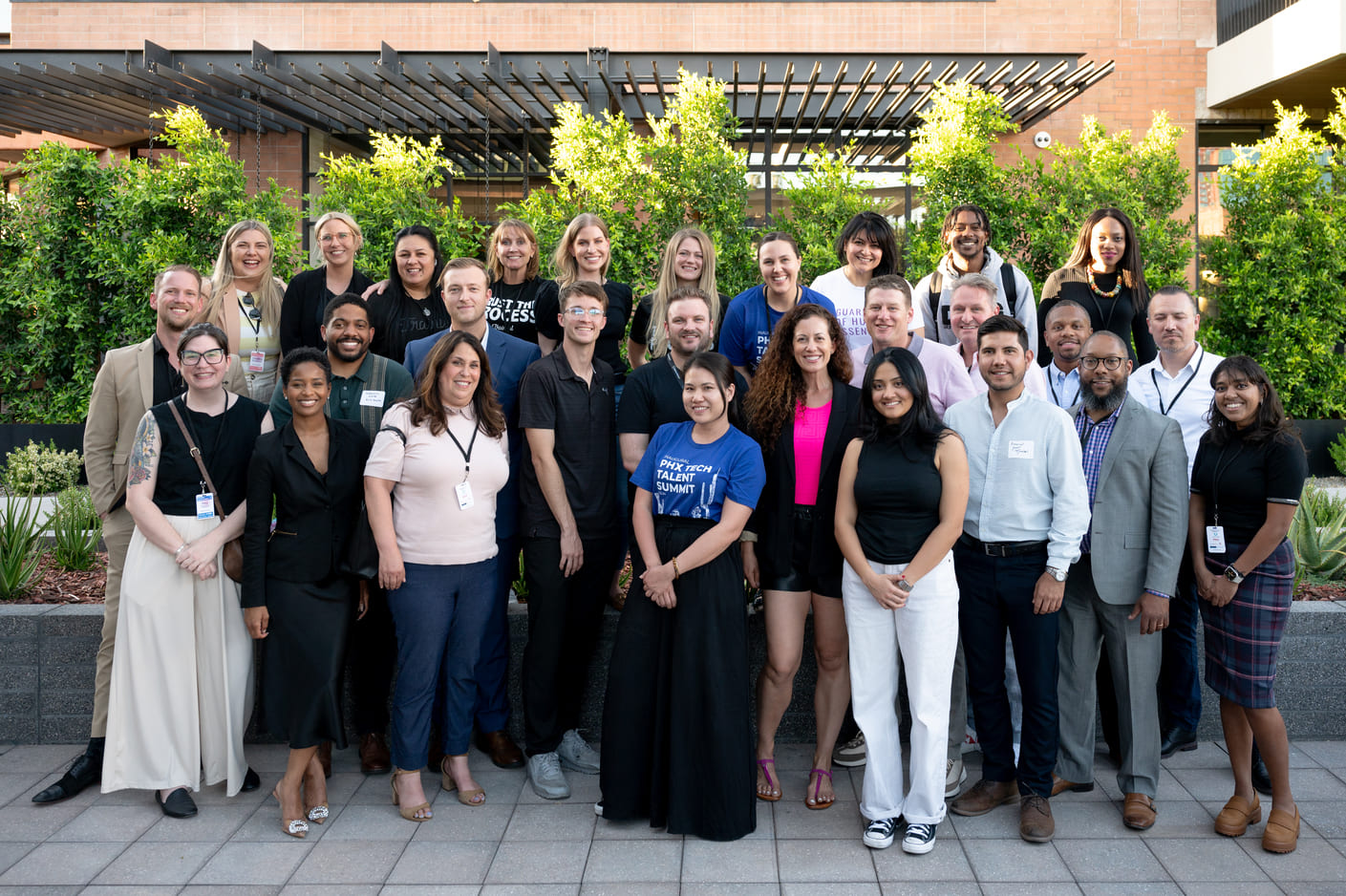
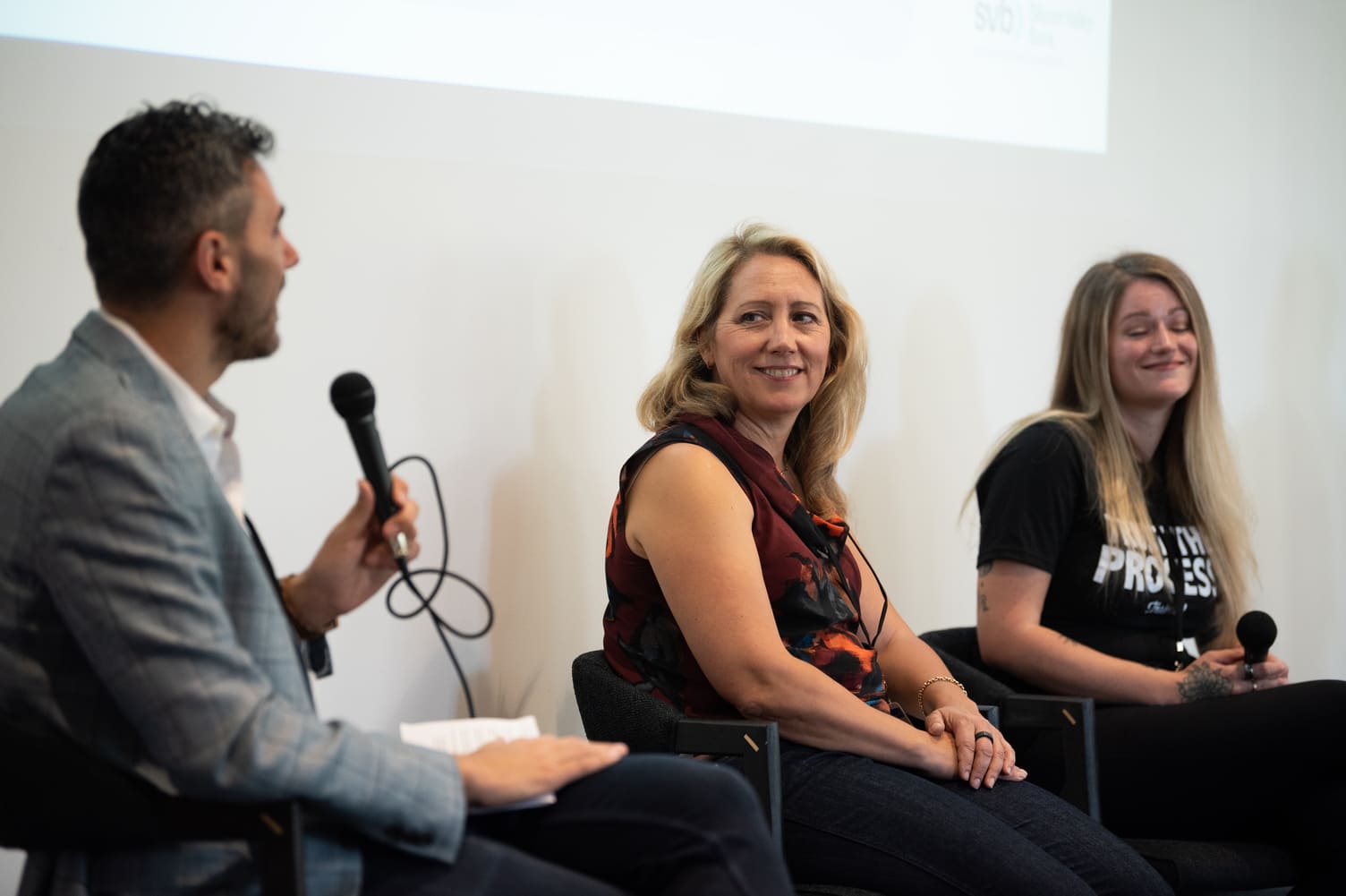
And if you want an on-ramp that is intentionally designed to reduce ecosystem friction, that’s what we build at Freeway. Phoenix is not short on talent or ambition. What it’s short on is visibility across distance and disconnected networks. We focus on Trusted Community, Talent Visibility, and high-signal convenings where Talent, Capital & Community move together.
If you want the broader “why” behind this infrastructure approach, read my perspective on Arizona’s ecosystem strategy and coordination work in this piece: Increasing Arizona’s Venture GDP. It explains why intentional design beats scattered activity, especially in a market like ours.
You do not need to become a full-time networker. You need a simple operating system you can repeat without burning out. Here’s a 30-day approach I recommend for startup networking Phoenix that stays human and practical.
If you want to move from stranger to trusted quickly, contribution is your best shortcut. Not big gestures. Not unpaid “do my whole job for me” projects. Just something concrete that others can point to when your name comes up.
Once you have that contribution layer, your resume stops being the first impression. It becomes supporting material for a conversation that is already in motion.
Applications still matter. They just work better when they follow relationship and context. Many startups here fill roles quickly through referrals, repeat community contact, and targeted outreach because hiring is competing with everything else on the founder’s plate.
If you want a clearer view of what’s open right now, start with Freeway Jobs, then use those roles to guide who you meet and what you ask. It’s a simple shift: the job post becomes your research prompt, not your only action.
When you do apply, tighten the loop:
If you want more ways to find roles beyond the mainstream channels, use this internal guide: Startup Jobs Phoenix: Find Real Roles Beyond Job Boards.
Do you need to be an engineer to get hired at a startup Phoenix?
No. Phoenix startups hire across product, operations, partnerships, marketing, customer success, finance, and recruiting. Your advantage comes from clarity on your lane and consistent community presence, not a specific title.
How long does it take for startup networking Phoenix to turn into interviews?
If you show up twice a month and follow up well, you can see traction in 30 to 60 days. The variable that speeds it up is contribution. Being helpful gives people a reason to remember you.
What should you say when you meet a founder?
Lead with curiosity and constraints. Try: “What are you trying to make true in the next 90 days?” Then share, in one sentence, how you’ve helped solve something similar.
Is it still worth applying online?
Yes, especially when a company has a structured hiring process. Your odds improve dramatically, though, when someone can connect your name to your work and reliability first.
What if you’re switching from corporate into startups?
That’s common in Phoenix, and your operational discipline can be a real asset. You just need to translate it into startup language and outcomes. This internal post will help: Corporate to Startup in Phoenix: Your Operator Transition Guide.
If you want to get hired at a startup Phoenix teams are building, optimize for proximity, trust, and repeated connection. Keep applying, but let applications follow community instead of replacing it. When you show up consistently, contribute in small but real ways, and learn what teams are truly trying to solve, you stop feeling like a stranger in the market.
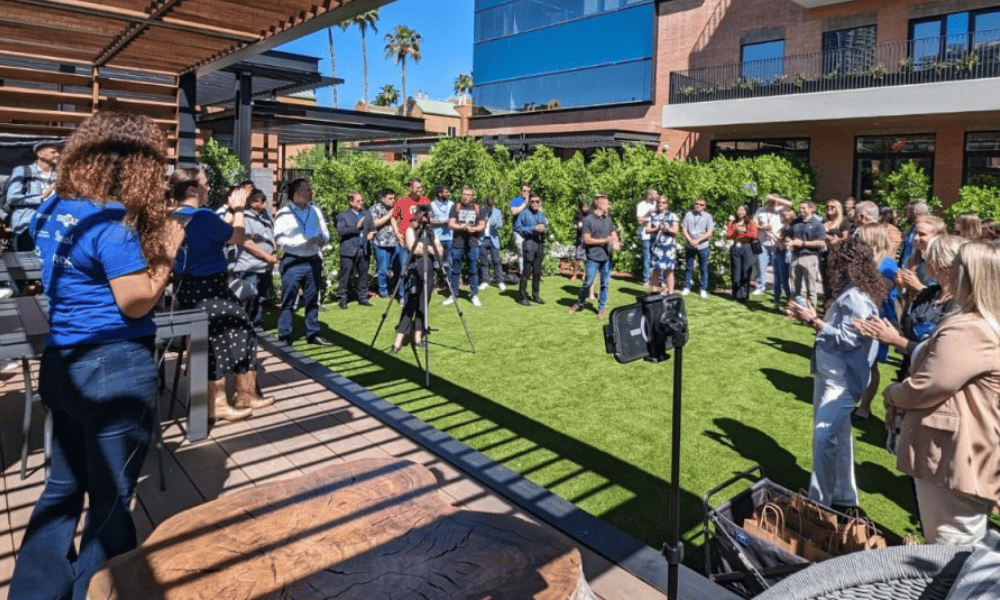
If you want a higher-signal on-ramp, plug into Freeway and stay close to the rooms where Talent, Capital & Community meet. That’s where opportunity becomes visible, and it’s where relationships turn into real next steps. Where talent meets capital and community.


































.png)


.png)

.png)




Where talent meets capital and community
































.png)



.png)