
Public private partnerships startups are all over Phoenix right now, and you can usually tell within five minutes whether one is going to help founders next week or simply create more noise. From where I sit at Freeway, the gap is rarely “lack of opportunity.” It’s visibility, follow-through, and whether the partnership actually makes it easier for Talent, Capital & Community to move together.
If you’re a corporate leader, civic partner, university stakeholder, or an operator inside a fast-moving company, you’re probably asking the same thing I hear constantly: How do we support startups without wasting founder time? Here’s the Phoenix playbook I’d use if you want a partnership that earns trust and creates real outcomes.
Phoenix is not a “walkable ecosystem” in the way some older tech hubs are. You can’t assume the right people will bump into each other. So if you’re building a public-private effort, treat community like infrastructure, not decoration.
Infrastructure can be physical, like curated rooms where decisions get made. It can also be digital, like a map that helps people answer basic questions quickly: Who’s hiring? Who invests here? Which accelerators are active? What programs are current?
That’s a big reason we built the Freeway Dashboard. You don’t need another glossy “initiative” page. You need an on-ramp into Phoenix’s tech ecosystem that makes opportunity easier to see and easier to act on. When your partnership plugs into something that already supports navigation, the value compounds. When it doesn’t, you’re starting over after every ribbon cutting.
The best Phoenix partnerships don’t treat founders and operators like an audience to be “activated.” You bring them in as design partners early, and you stay accountable to their real constraints.
In practice, the partnerships that hold up tend to share a few patterns:
If you want a simple gut-check: ask yourself whether a founder will leave your program with a specific next step and a named human who owns it. If not, you’re probably building activity instead of access.
I’m going to say this plainly because it matters. If a partnership is optimized for institutional convenience, it will feel like a tax on founder time.
Here are the failure modes I see most often in the Phoenix startup ecosystem:
And to be fair, I understand why this happens. Reporting requirements and procurement cycles are real. The fix is not to pretend those constraints don’t exist. The fix is to design the partnership so founders are not the ones paying the cost.
When you tell me you want to support economic development startups outcomes, I’m going to push you toward metrics that reflect lived reality, not just activity. The best public-private programs function like an on-ramp into Phoenix’s tech ecosystem with clear lanes.
Here are a few measures I trust because they show whether you’re building momentum:
If you’re a founder trying to navigate the human side of this, I wrote a practical guide you can use right away: Startup Mentors Phoenix: Where to Find and Ask Well. It’s about building a mentor bench that supports you through multiple seasons, not just a single program cycle.
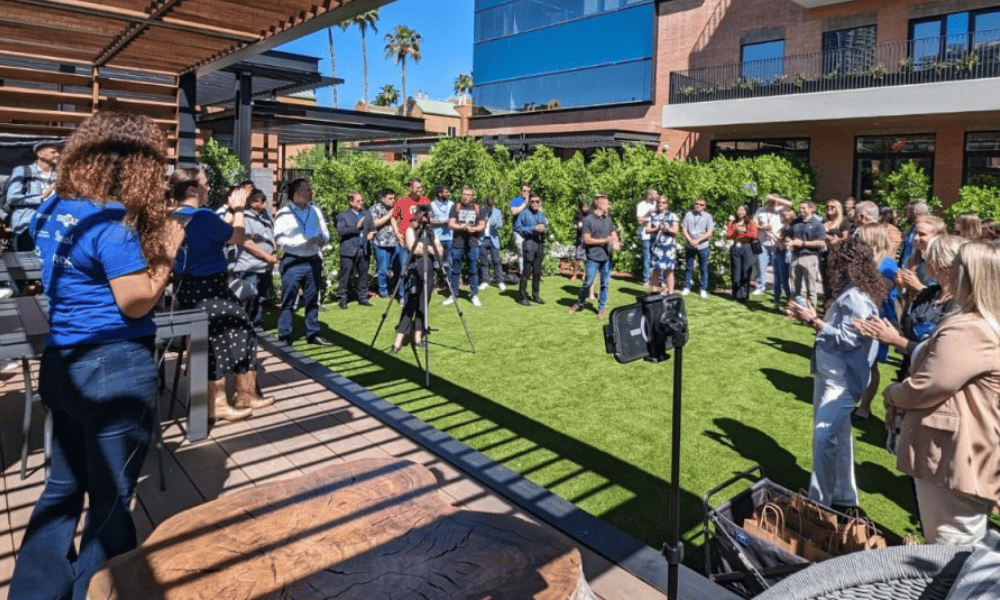
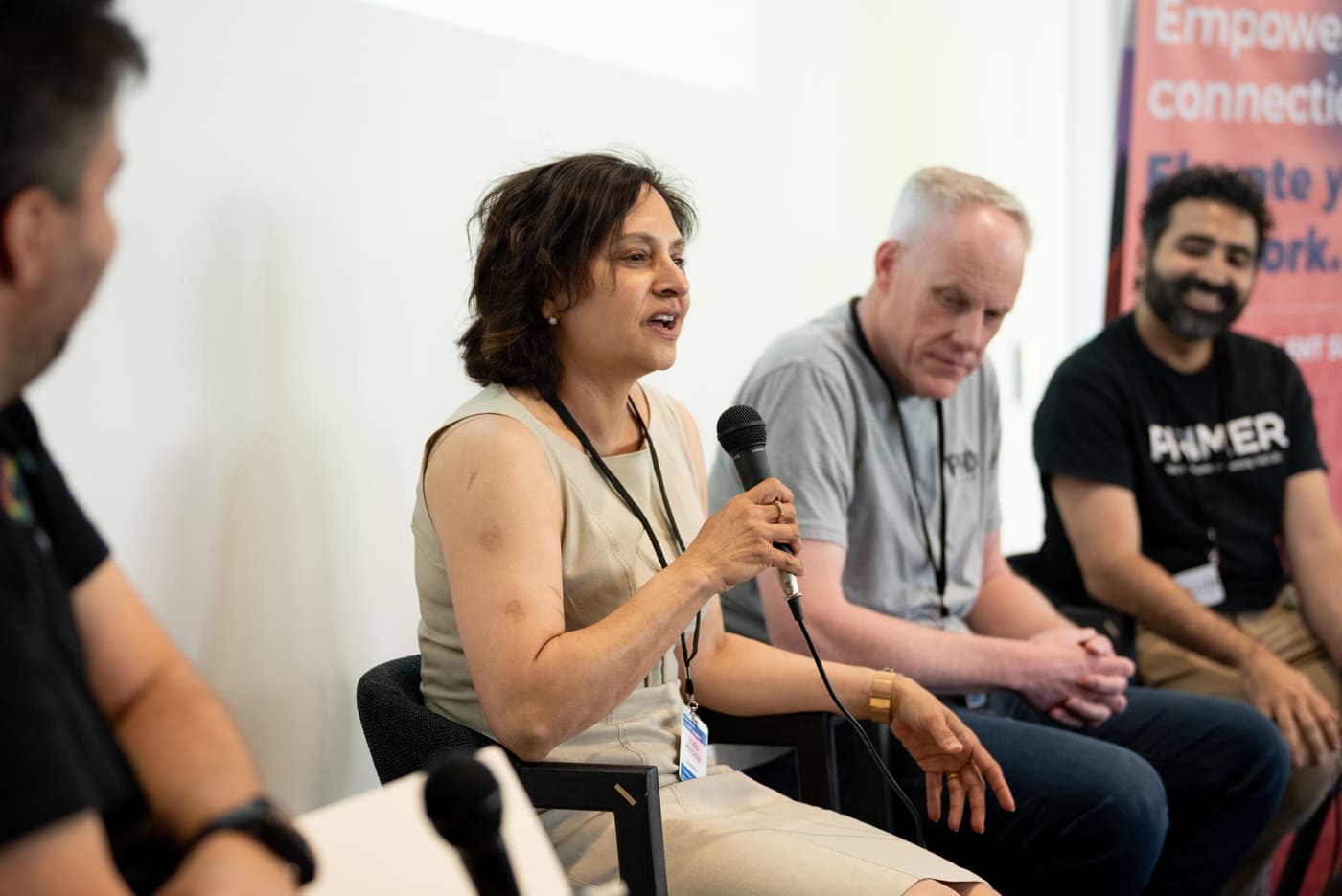
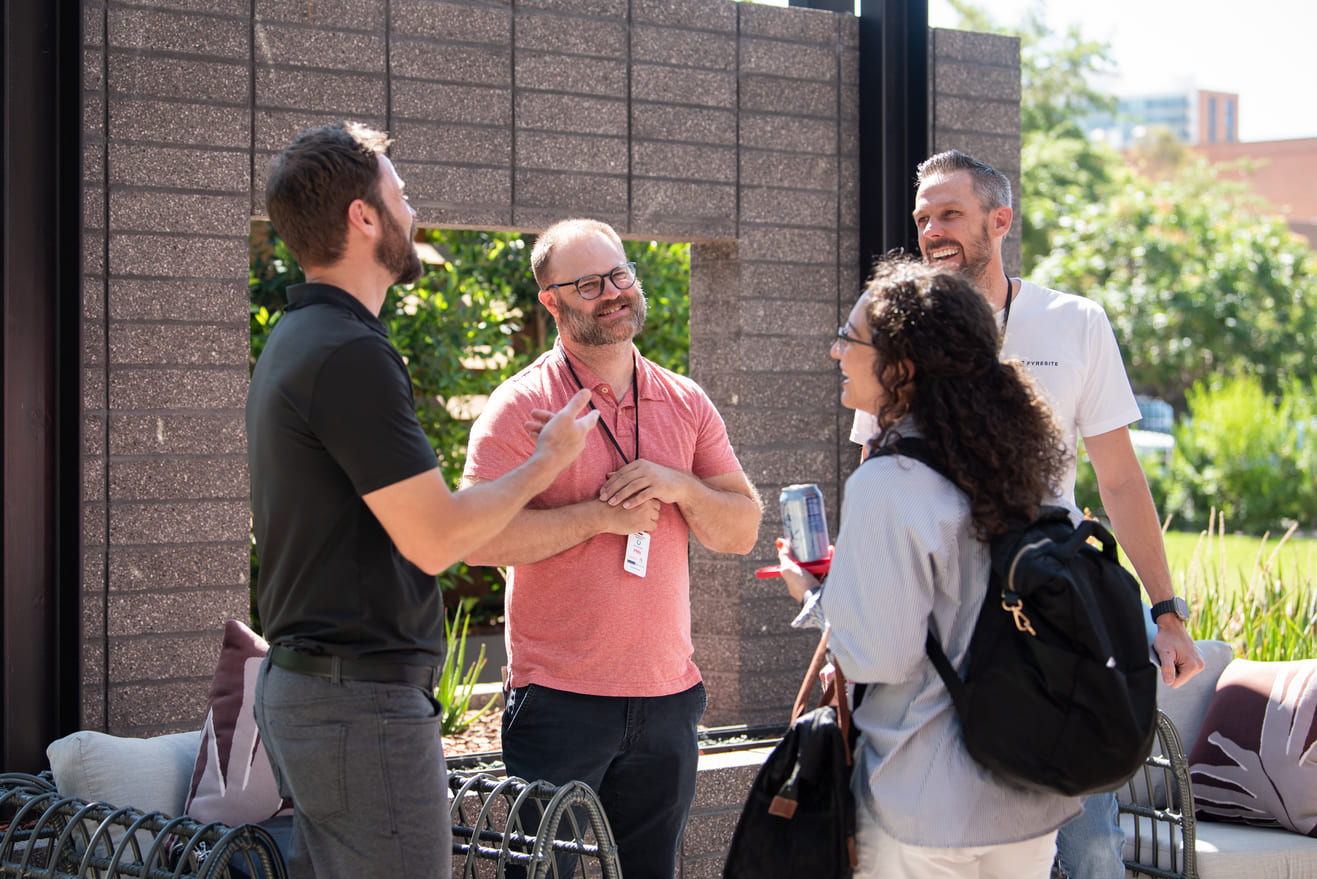
Phoenix has plenty of organizations, meetups, and stakeholder groups. The gap is often room design and coordination. Who’s in the room, why they’re there, and what they can actually do for each other matters more than headcount.
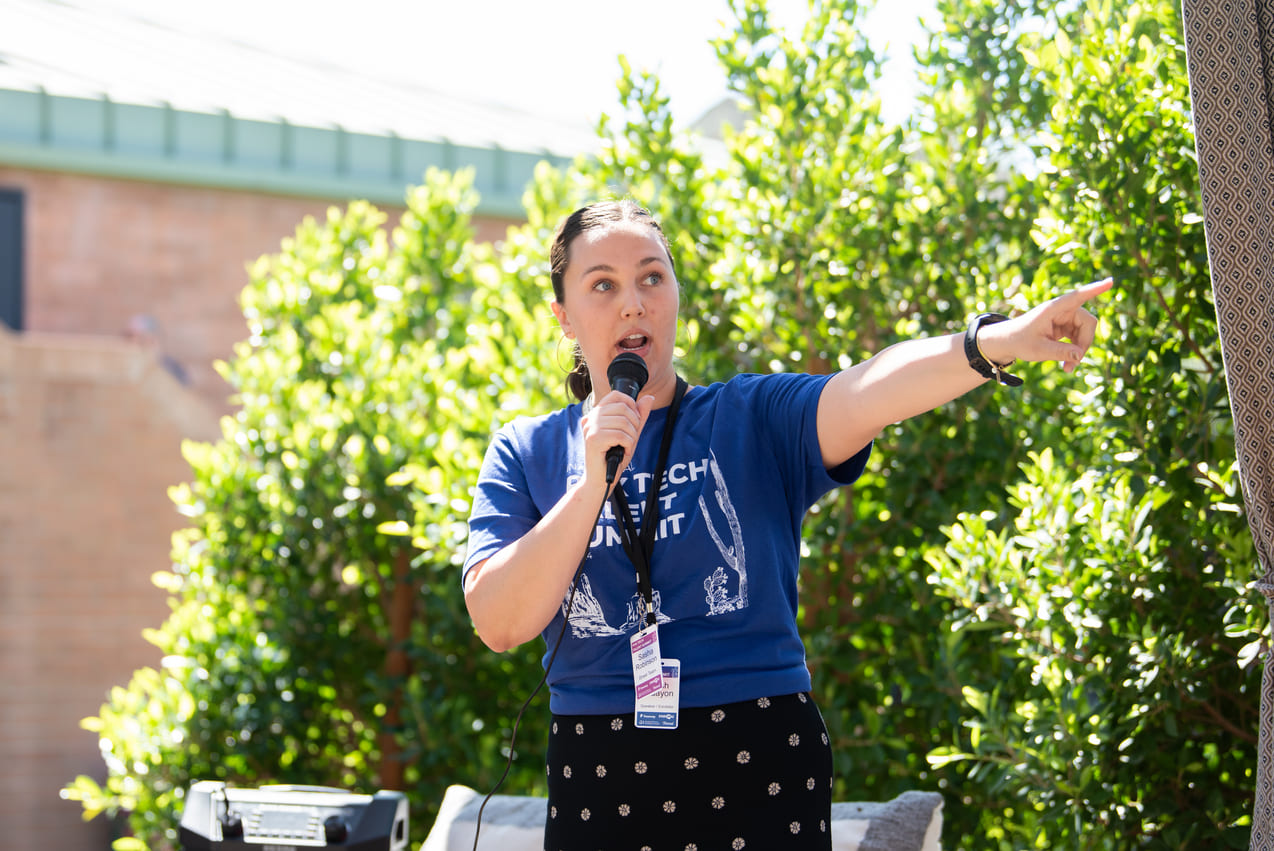
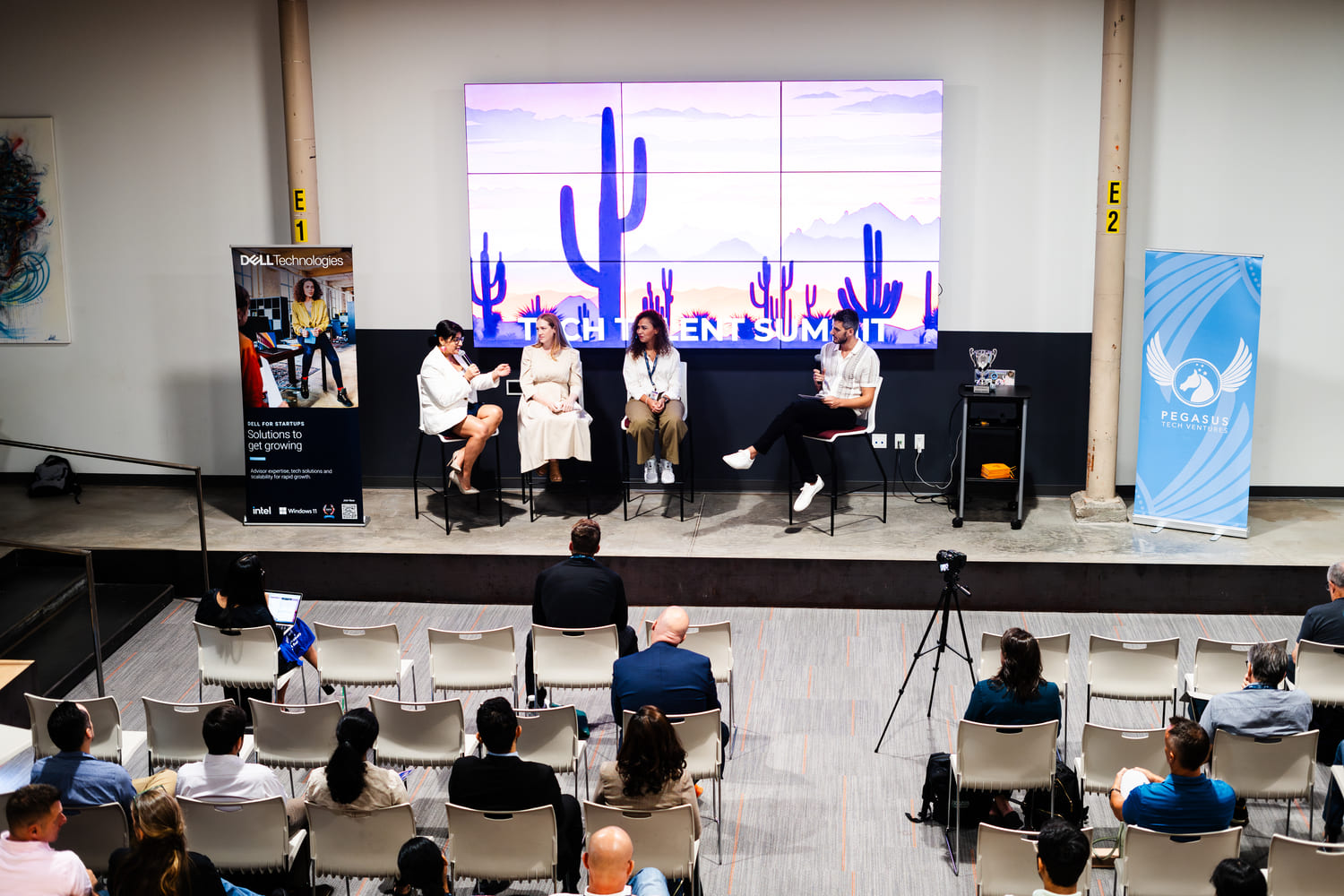
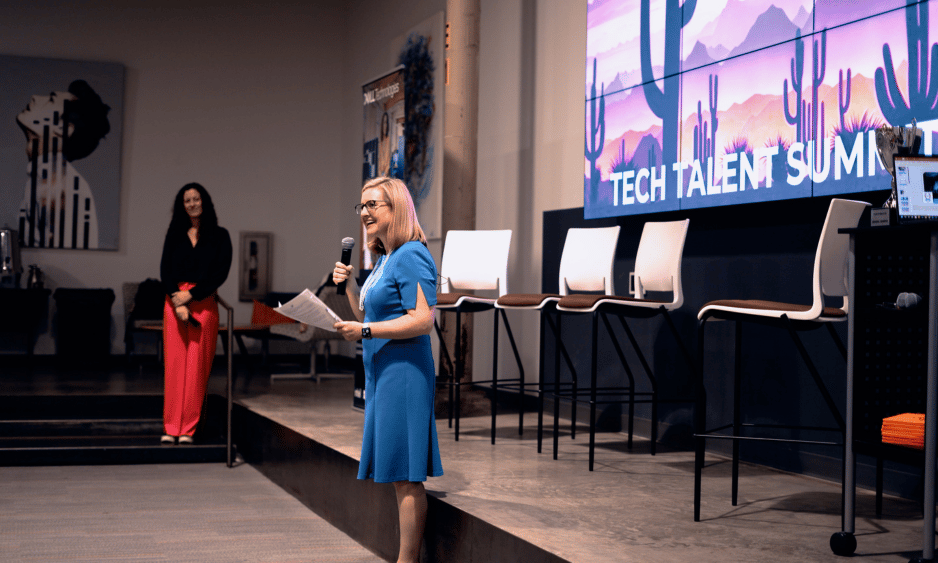
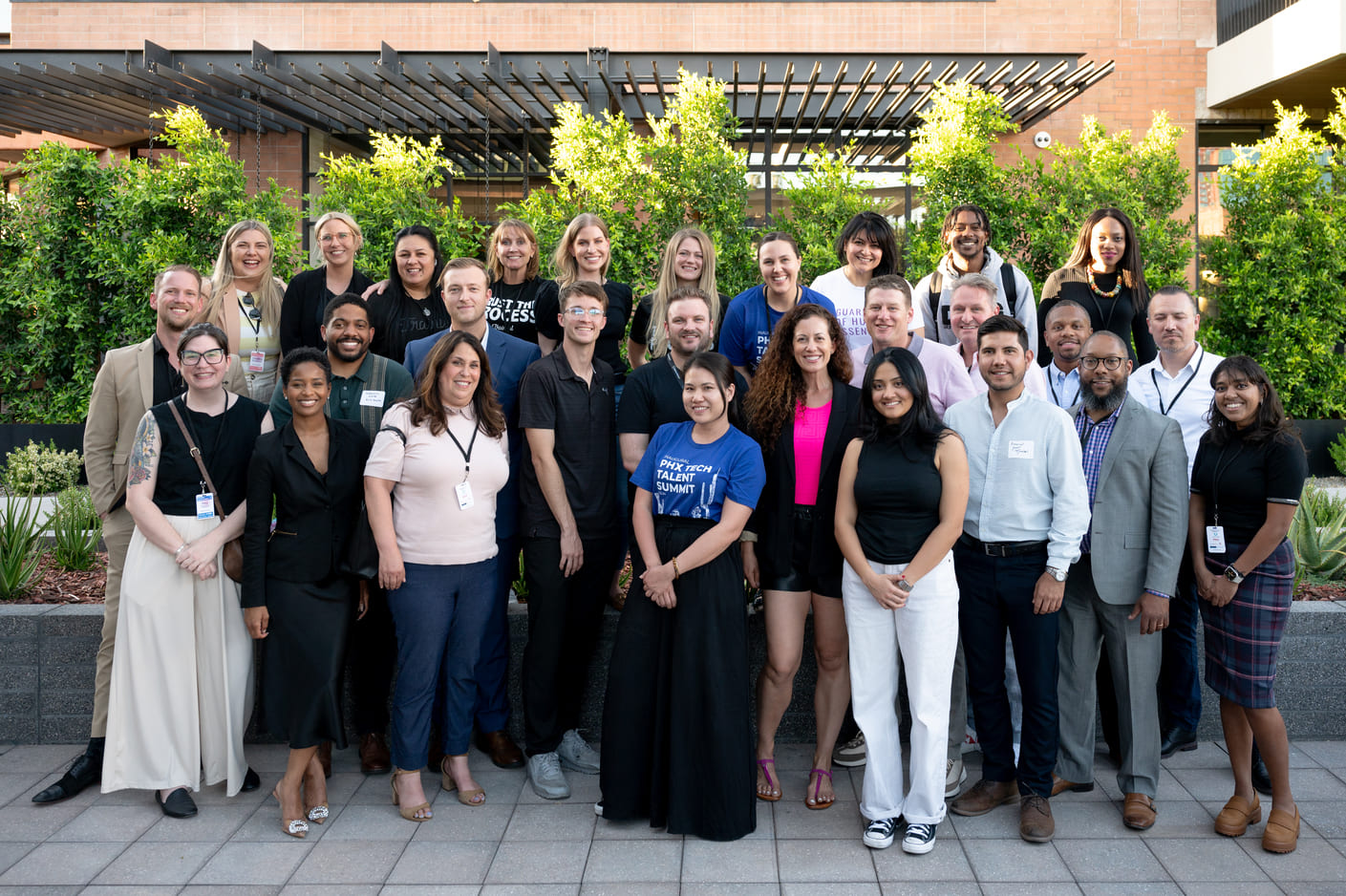
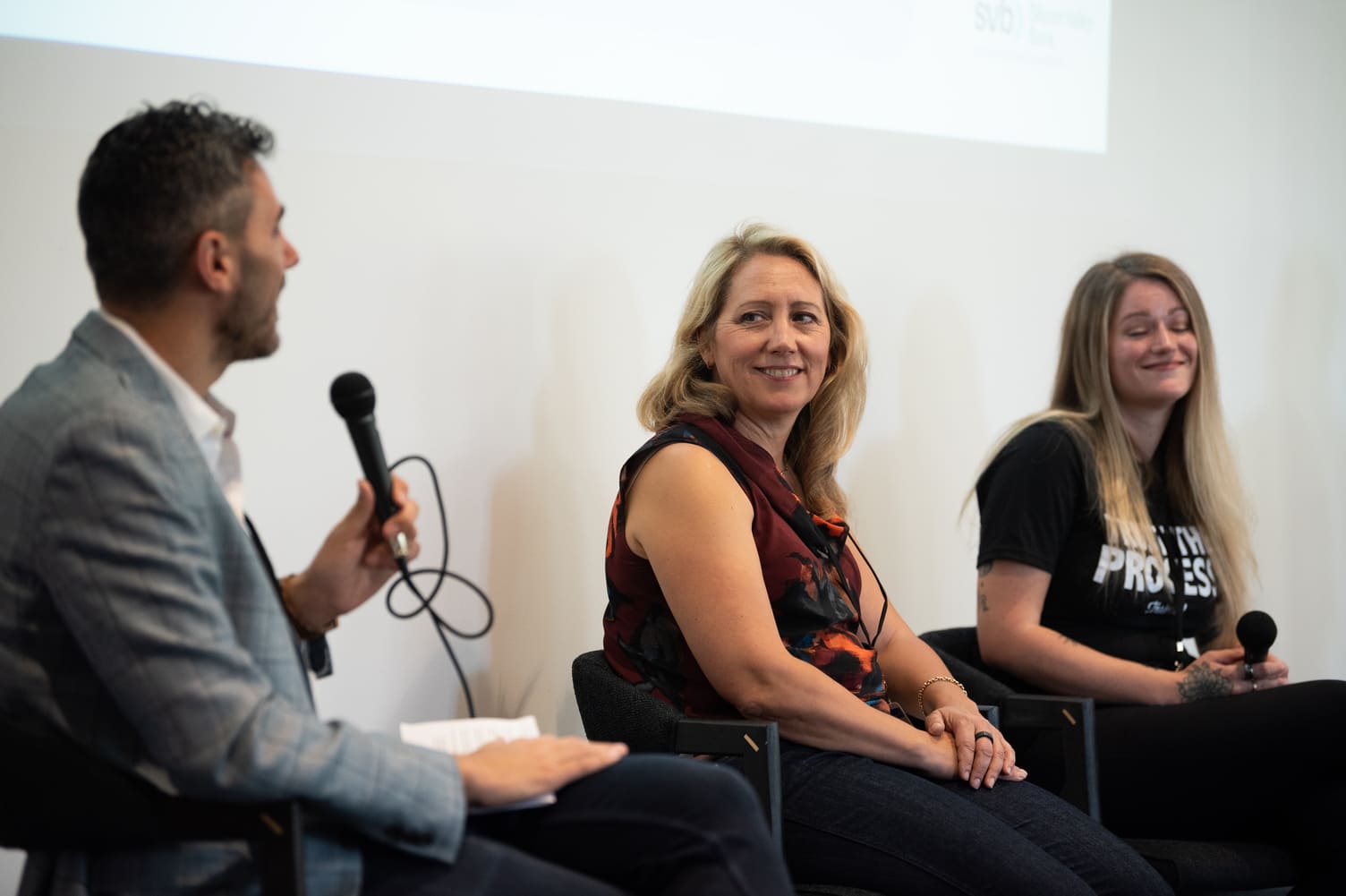
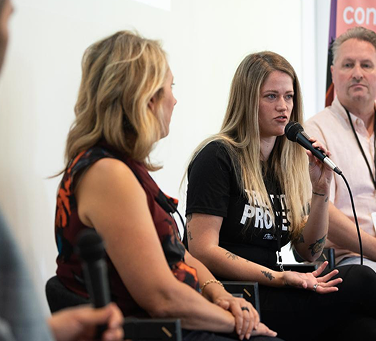
That’s why we build convenings like the Tech Talent Summit around outcomes. You’re not showing up for random networking. You’re showing up because the room is intentionally built to connect Talent, Capital & Community and create the conditions for hires, partnerships, and funding conversations.
And if you’re deciding where to spend time, it helps to know the difference between light exposure and real relationship infrastructure. This piece, Phoenix Startup Meetups vs Communities: What You Need, breaks down how to use both without burning cycles.
When public private partnerships startups actually work, they look less like a campaign and more like a system. The system is built on three things:
If you want some outside reading that matches what we see on the ground in Phoenix, two resources are consistently useful when I’m aligning partners on what moves ecosystems:
What is the fastest way to improve public private partnerships startups outcomes?
Co-design with founders and operators, then commit to repeatable connection. A quarterly “big moment” is usually less effective than a monthly cadence with clear next steps and named owners.
How do you avoid duplicating efforts in the Phoenix innovation ecosystem?
Start with a shared map of what already exists, plus a shared set of outcome metrics. When stakeholders can quickly see who does what, warm handoffs become the default and duplication drops.
What should economic development startups programs prioritize first?
Customer access and hiring pipelines, then capital pathways. If you help a startup sell and hire, you extend runway and create healthier fundraising options later.
What does “ecosystem infrastructure” mean in practice?
It’s the combination of tools, trusted rooms, and repeatable processes that make opportunity easier to find and act on. Think dashboards, curated convenings, and consistent partner handoffs.
Phoenix does not need more hype. You need connective tissue that makes access visible, makes the right rooms easier to enter, and makes follow-through the default. If your public-private work is founder-led, tied to shared infrastructure, and measured by outcomes people can feel, it will earn trust and it will last.
If you’re building a partnership, scaling a startup, or trying to plug into the Phoenix tech ecosystem with less guesswork, I’m happy to help you design the on-ramp and get the right people into the right rooms. Where talent meets capital and community.





































.png)


.png)
.png)



Where talent meets capital and community






























.png)