
Arizona Startup Pavilion is one of the cleanest ways to earn CES-style visibility in Phoenix without paying a five-figure booth bill. If you’re exhibiting, you’re not there to “have a table.” You’re there to turn a handful of high-signal conversations into interviews, investor meetings, partnerships, and momentum you can actually track.
I’m the founder of Freeway, and this is the same playbook we use when we coach founders and teams on showing up with clarity. It’s practical on purpose. You’ll have a fast-moving room, a short window to make your point, and a lot of people deciding whether to lean in or keep walking.
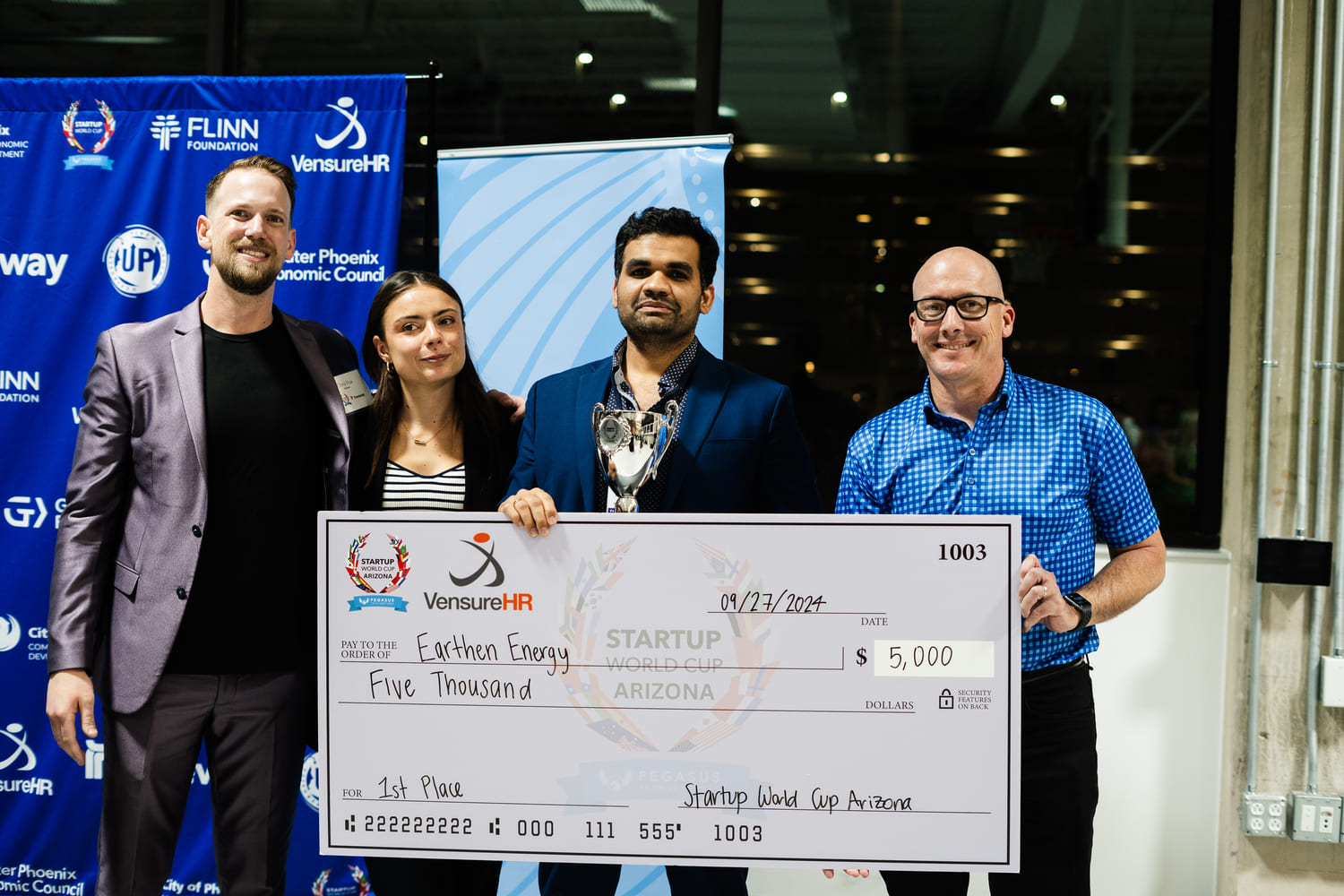
The Arizona Startup Pavilion is set up as a showcase. It’s meant to highlight a tight set of teams in a way that’s easy for attendees to scan and remember. That’s different from a traditional expo where you’re competing with hundreds of booths and unclear foot traffic.
Two things make this format especially founder-friendly:
That sponsor model is also a signal to take the opportunity seriously. When cost isn’t the constraint, execution becomes the differentiator.
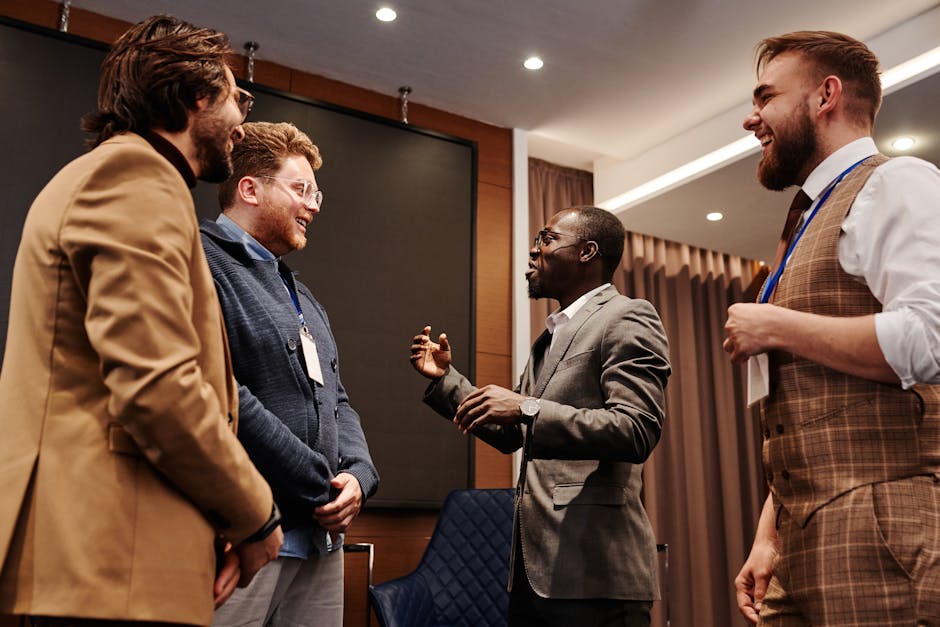
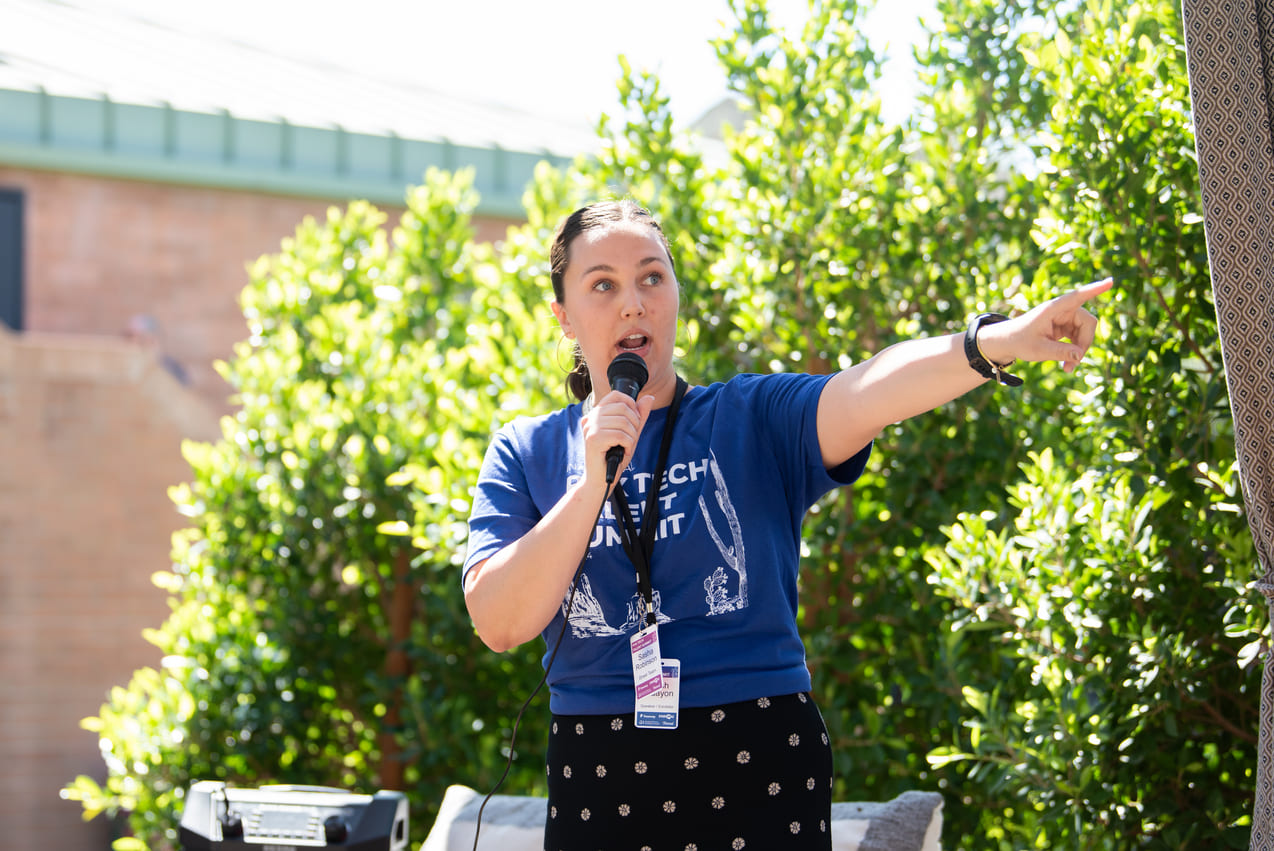
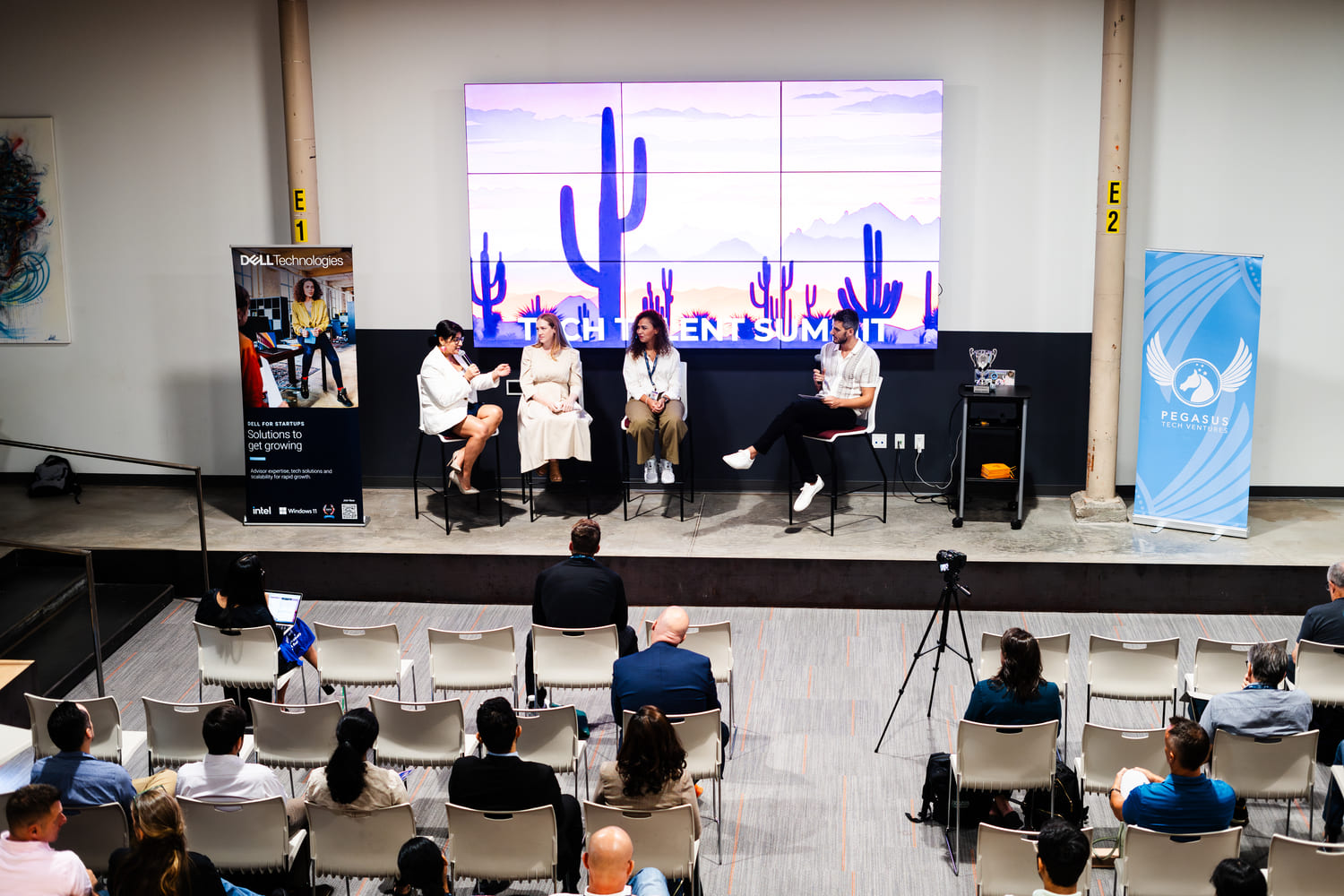
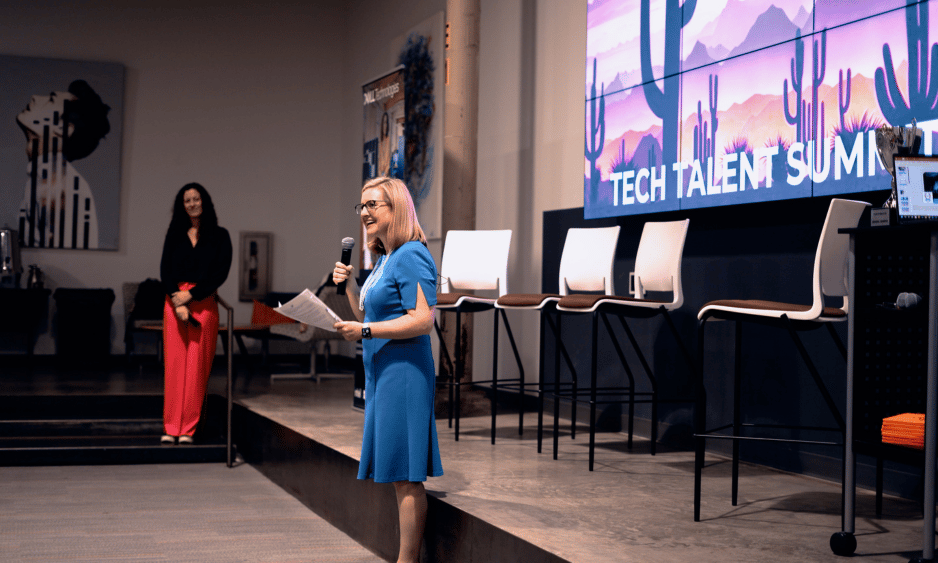
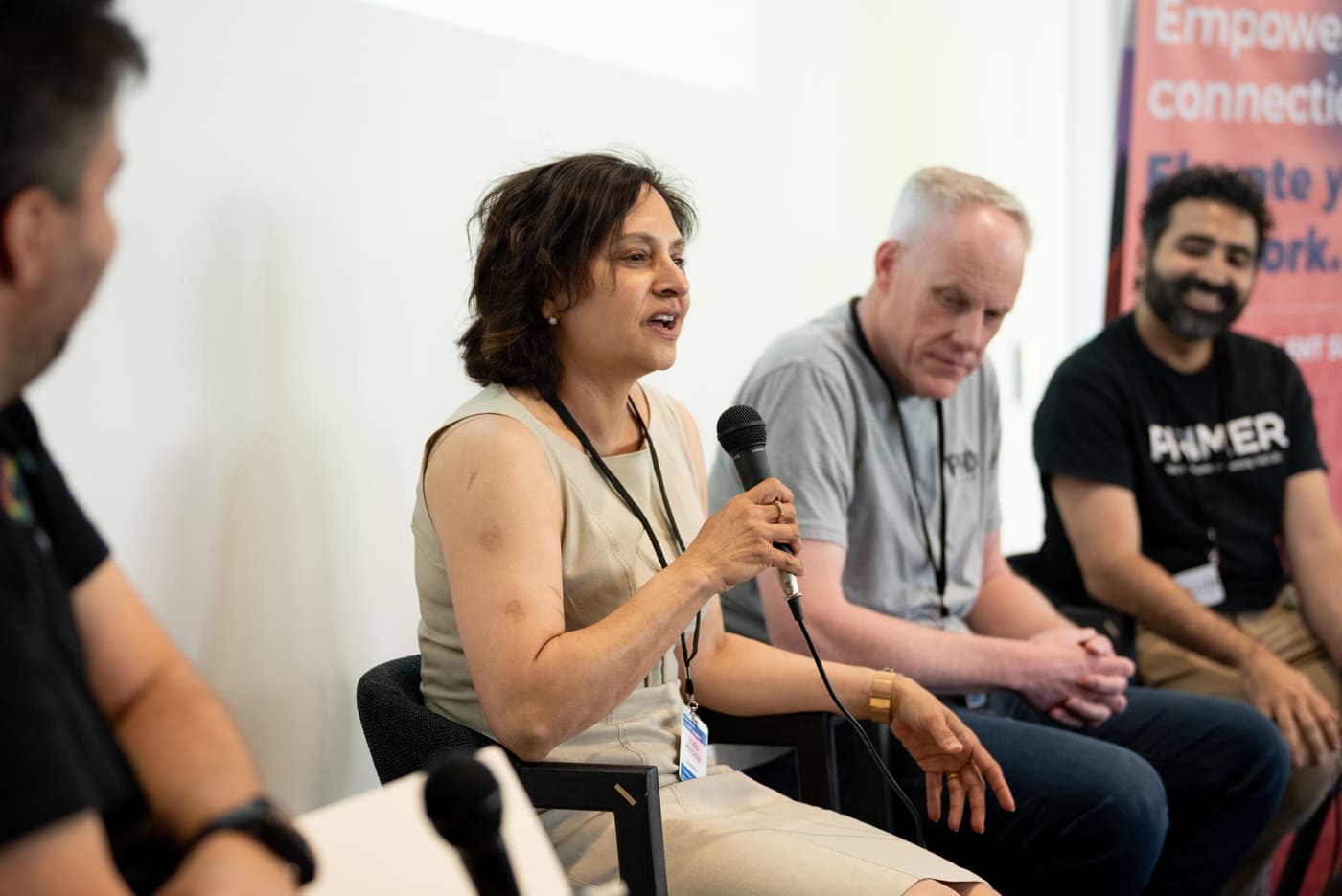
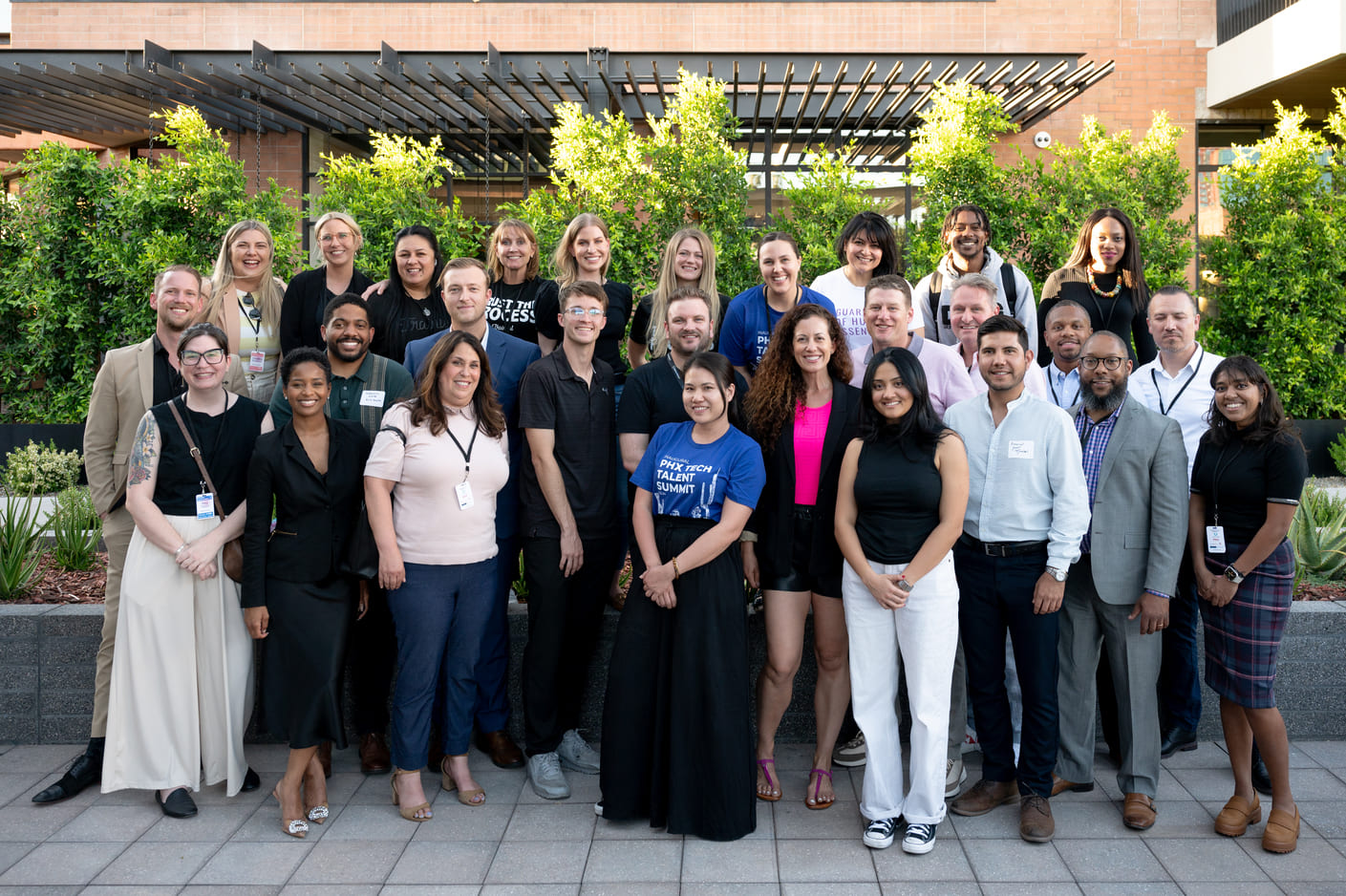
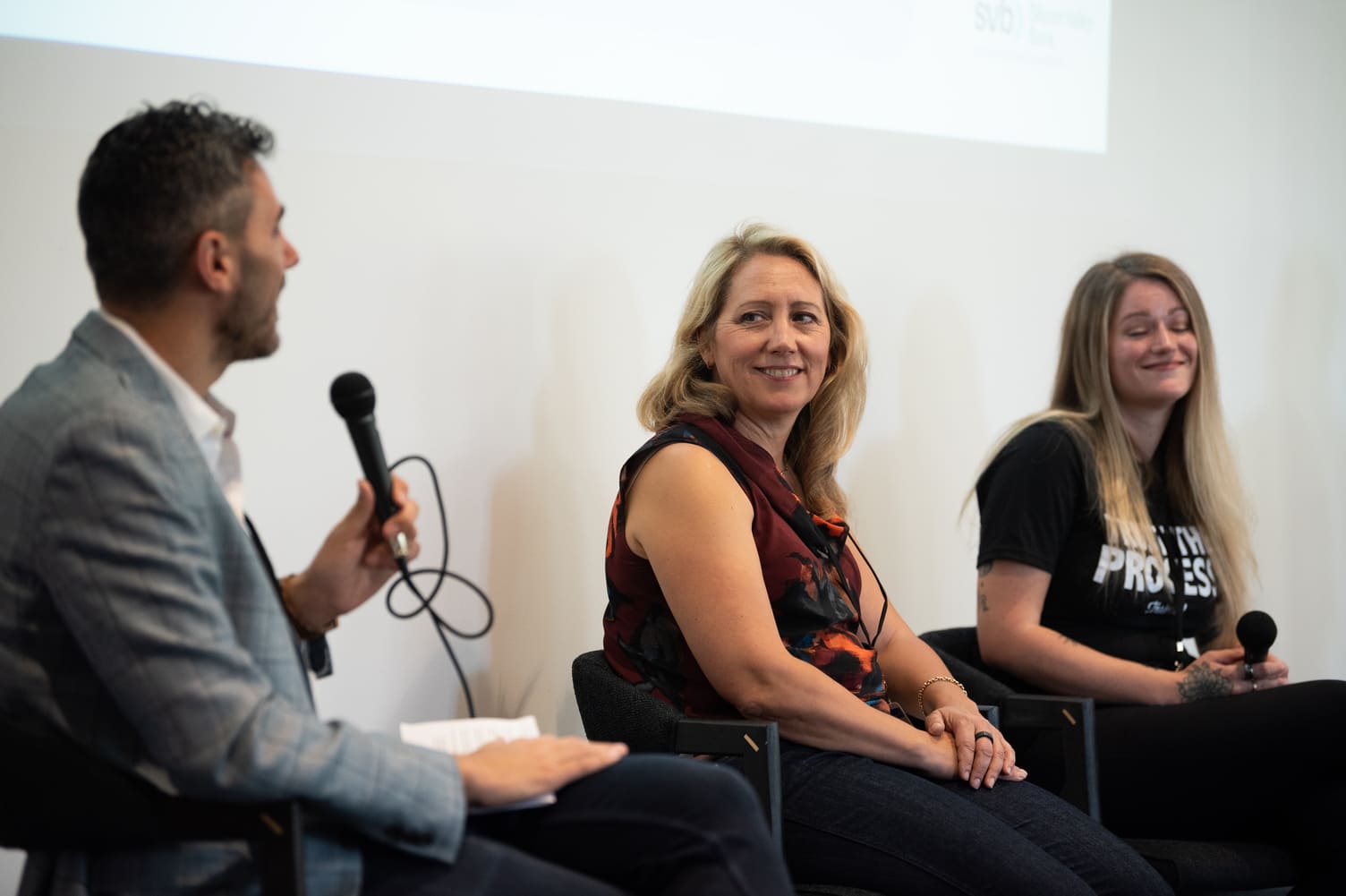
The Pavilion sits inside Tech Talent Summit during Arizona Tech Week. Translation: the room is built around the people you actually need around your company, not just general attendees looking for swag. You’ll talk to hiring-ready talent, founders and operators, and investors who are doing real diligence in real time.
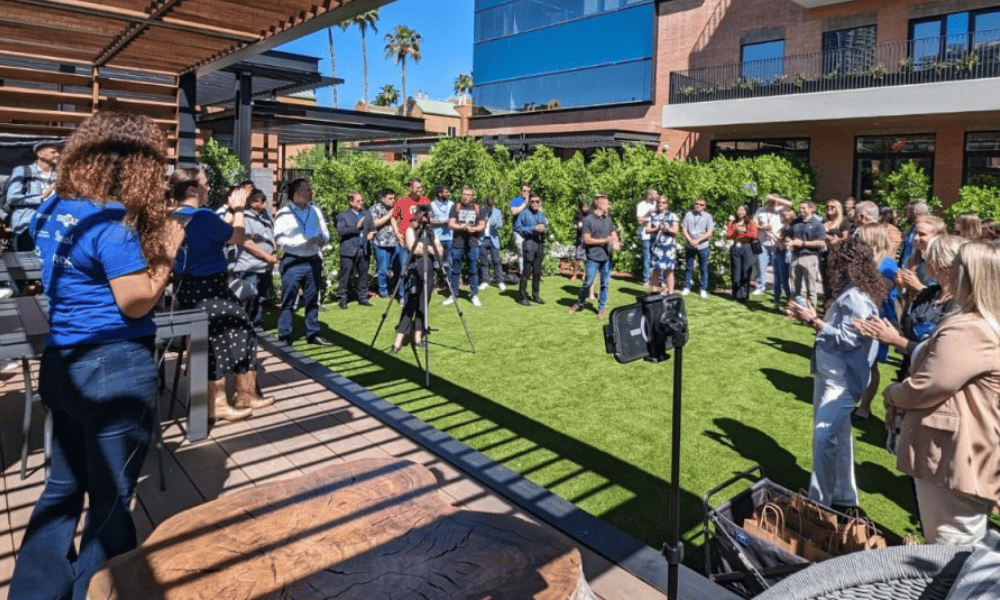
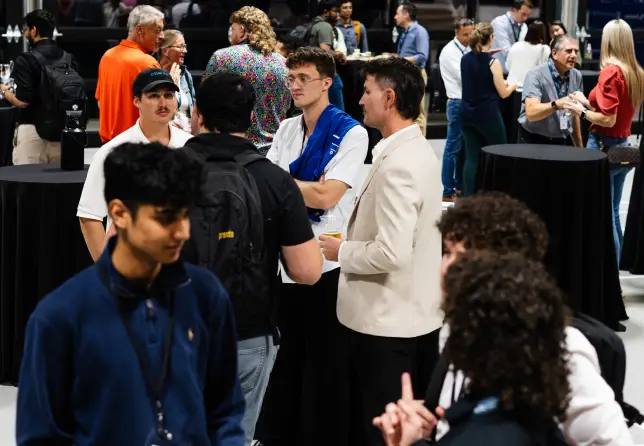
If you want proof that this Summit draws serious density, the Phoenix Business Journal covered a prior Tech Talent Summit that sold out and brought more than 500 attendees into downtown Phoenix, including founders, investors, and local leaders. You can read that recap here: Phoenix Business Journal coverage of Tech Talent Summit.
So here’s your mental reset: you’re not pitching into a vacuum. You’re answering smart questions from people who know what good looks like. Your booth needs to help them understand three things quickly:
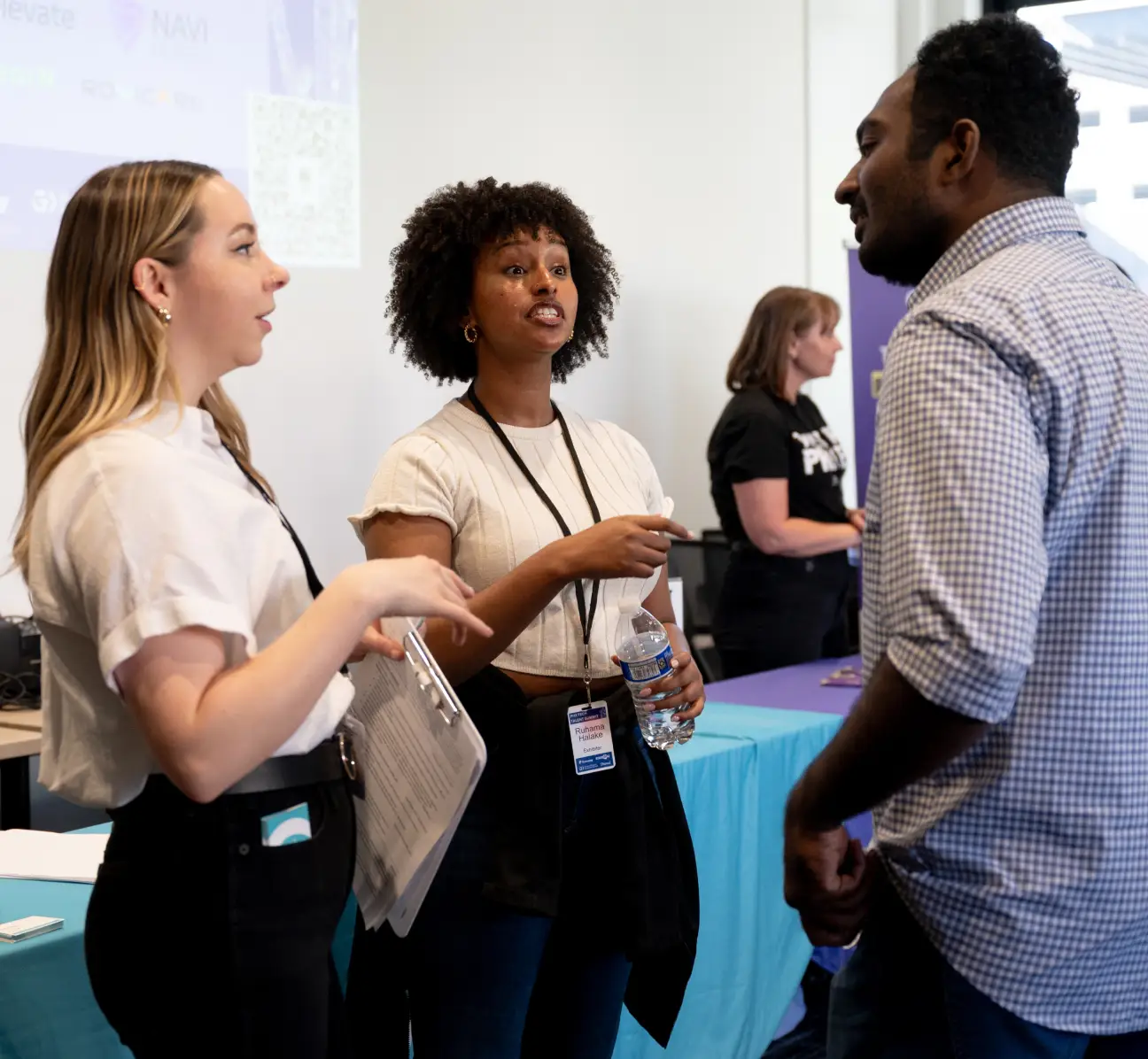
In a Arizona Startup Pavilion environment, most people decide whether to stop within a few steps. You cannot rely on a long explanation. You need a message that lands while they’re still standing.
I like this simple structure because it’s easy to remember and easy for your team to repeat consistently:
Two small details that matter more than people expect:
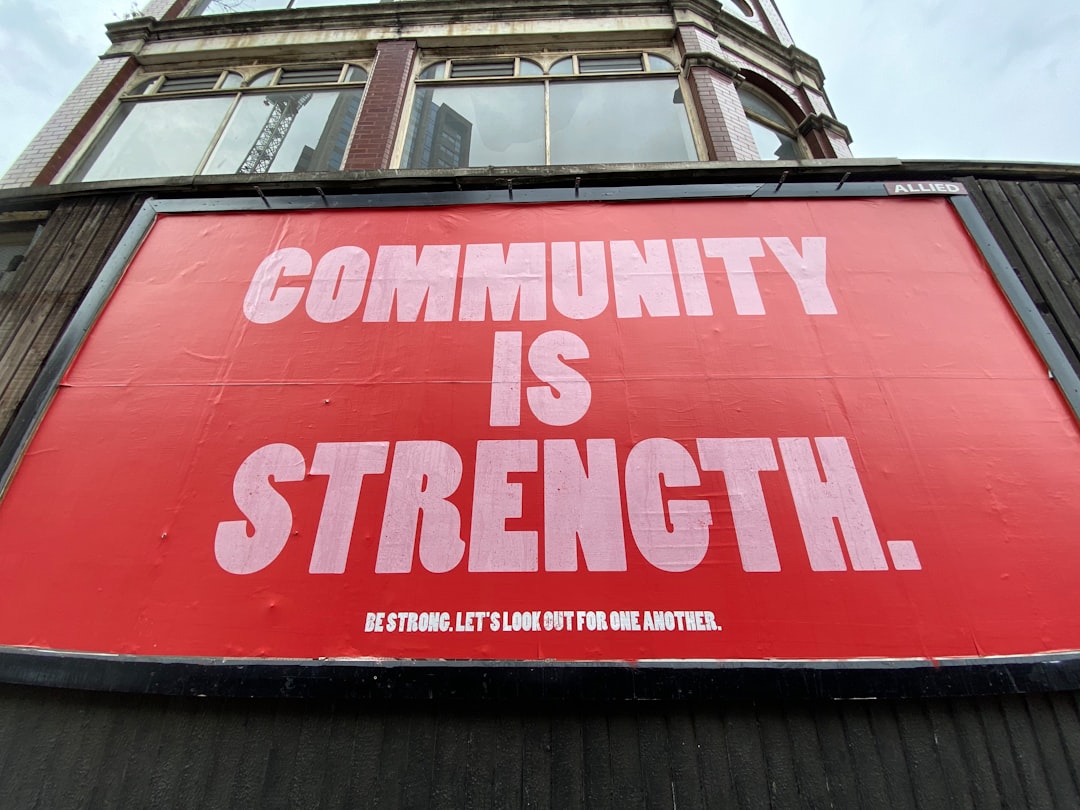
At Freeway we organize a lot of what we do around Talent, Capital & Community because it reflects how the Phoenix tech ecosystem actually moves. The Summit programming is structured with those lanes in mind, and you’ll see it reflected on Freeway’s Tech Talent Summit page.
If you’re exhibiting, that framework becomes your staffing plan. You do not want one person trying to be everything to everyone all day. Instead, assign coverage like you would for a serious sales meeting day:
If you’re a small team, you can still do this. You just rotate intentionally and decide in advance what counts as a good conversation in each lane.
This is where most teams leave value on the table. They wait for the day-of and hope the right people wander by. You can do better, and you can do it without sounding like you’re mass-blasting everyone in town.
Here’s what I recommend two weeks out:
If you want a clean way to turn quick intros into actual meetings after the event, use the same follow-up structure we outlined here: Build a Networking Follow-Up System That Turns Phoenix Intros Into Real Meetings. It’s built for Phoenix, where the opportunity is real but scattered, and repeated connection beats random networking every time.
You don’t need theatrics. You need good habits, repeated all day.
This is also where I’ll tie in how I think about Arizona’s broader ecosystem strategy. We don’t win by having more events. We win by coordinating visibility, capital pathways, and talent on-ramps so the same effort produces compounding returns.
A CES-style showcase is visual by nature, so treat the day like a content opportunity, not as an afterthought. You’re not trying to go viral. You’re trying to give future conversations something concrete to point to.
Plan to capture:
Then make the next step easy. If someone asks, “How do I keep up with what’s happening here?” point them to the ecosystem map we’re building: the Freeway Dashboard. It’s designed to help people navigate jobs, investors, companies, and capital beyond a single event.
Within 48 hours, send short follow-ups. Not essays. Not “great meeting you” templates with no substance. You want one sentence of context and one proposed next step.
If you have a photo from the moment you talked, include it. It’s not a gimmick. It helps people place you instantly in a busy week.
Is the Arizona Startup Pavilion really free to exhibit in?
Many exhibit spots are sponsor-underwritten, which is why selected startups can often exhibit without a booth fee. The details are outlined on the official event listing.
What should you bring as a startup exhibitor in Phoenix?
Bring a clear 10-second message, a fast hands-on demo (if you have one), and two types of simple collateral: one for candidates and one for investors or partners.
How do you stand out in a startup showcase Phoenix environment without being loud?
Make your value legible quickly, use one proof point, and ask for one next step. Standing out is usually about clarity and follow-through, not volume.
What’s the best follow-up cadence after Tech Talent Summit?
Send a message within 48 hours, reference what you discussed, and propose one specific action, like a meeting time or an intro. If they don’t respond, follow up once more the next week with a useful update.
The Arizona Startup Pavilion is not just a table in a crowded room. It’s a sponsor-powered visibility moment inside Tech Talent Summit, built around Talent, Capital & Community. If you show up with a message people can repeat, a plan for who you’re trying to meet, and a follow-up system that respects everyone’s time, you can turn one day into weeks of real progress.
If you want a gut-check on your booth messaging or your outreach list before the Summit, you already know where to find me. This is the work we care about at Freeway, building an on-ramp into Phoenix’s tech ecosystem and making sure the right rooms create real outcomes. I’ll see you where talent meets capital and community.































.png)


.png)
.png)




Where talent meets capital and community
























.png)


.png)
.png)