Phoenix startup meetups vs communities is one of those topics you do not think about until you have spent three weeks saying yes to everything and still feel like you are starting over every Monday. I’m founded Freeway because I kept seeing smart founders, operators, talent, and partners do a ton of “networking” and walk away with a thin stack of new contacts and almost no momentum.
Here’s the plain-English difference: meetups are great for exposure and quick context. Communities are where trust builds, and trust is what turns a conversation into a hire, a customer intro, a mentor relationship, or a partnership. Once you separate the two, you can use both without burning out.
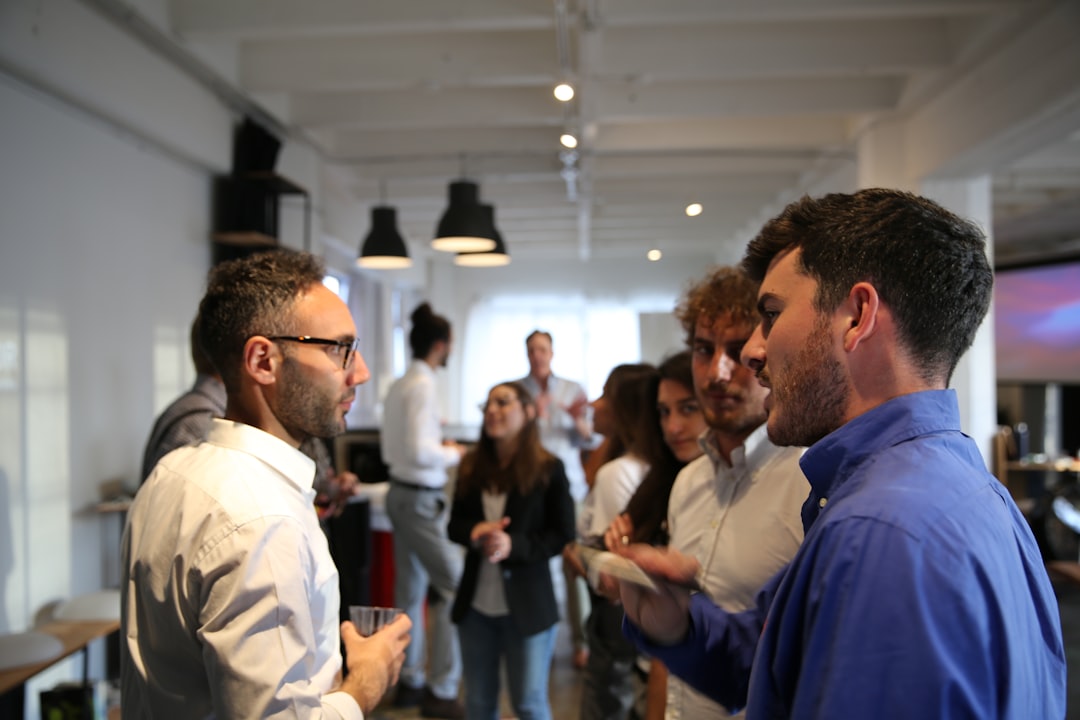
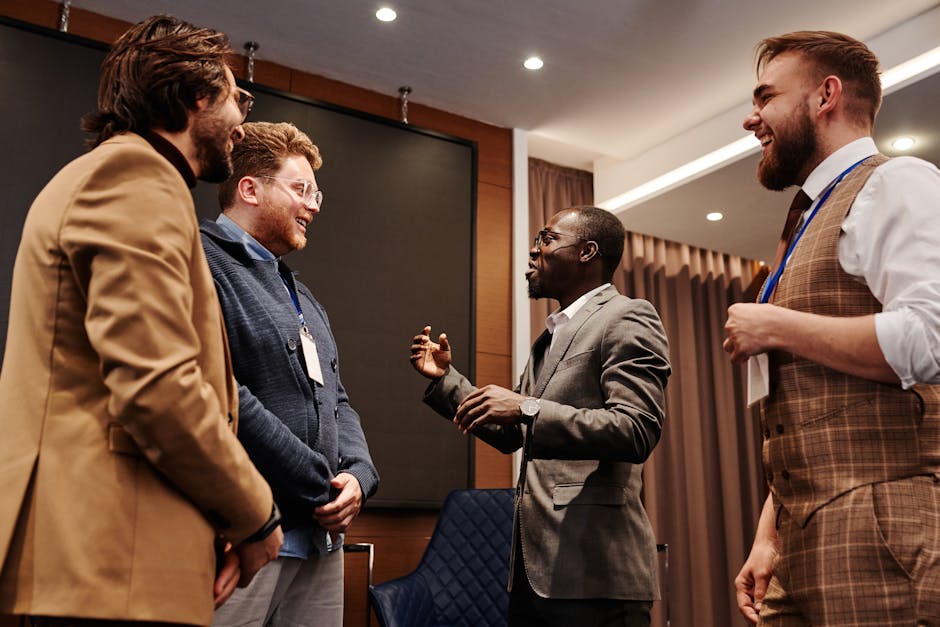
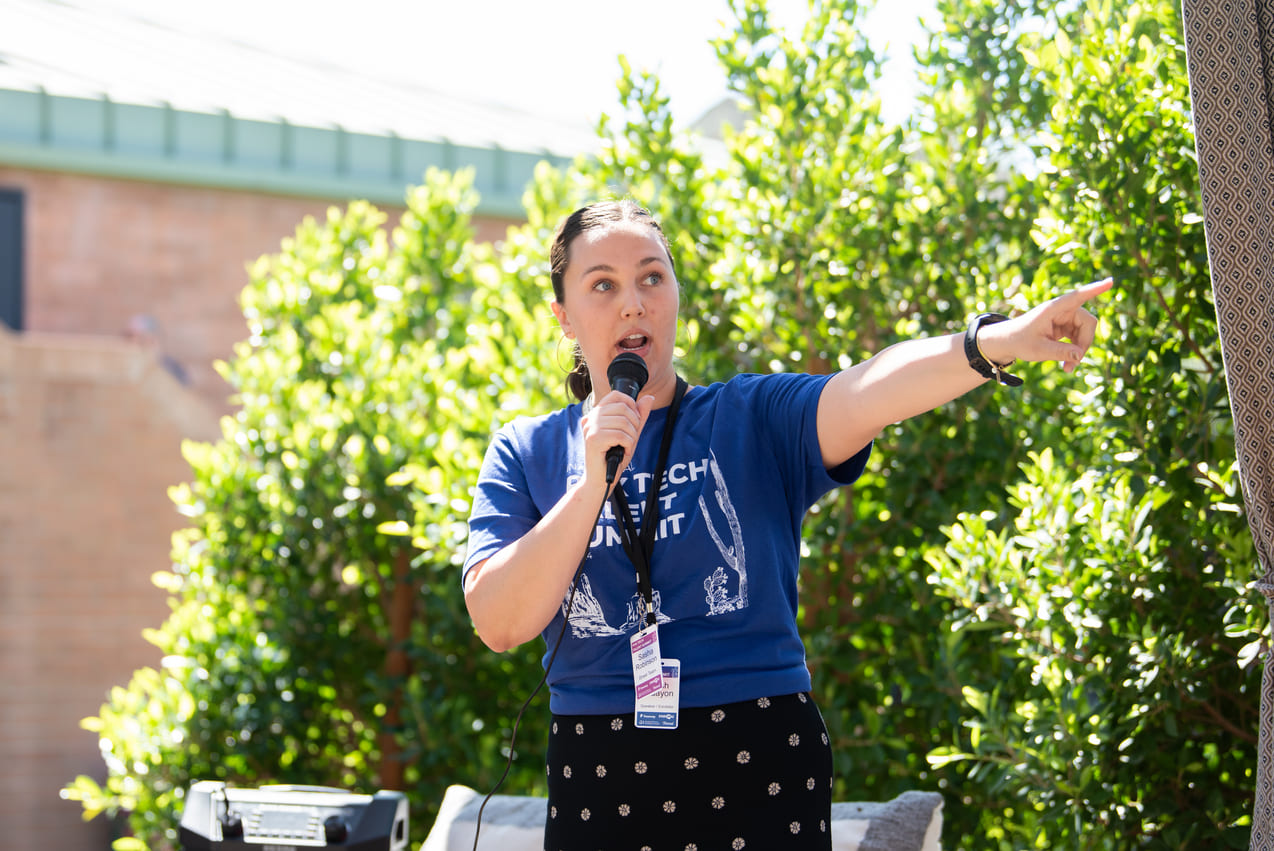
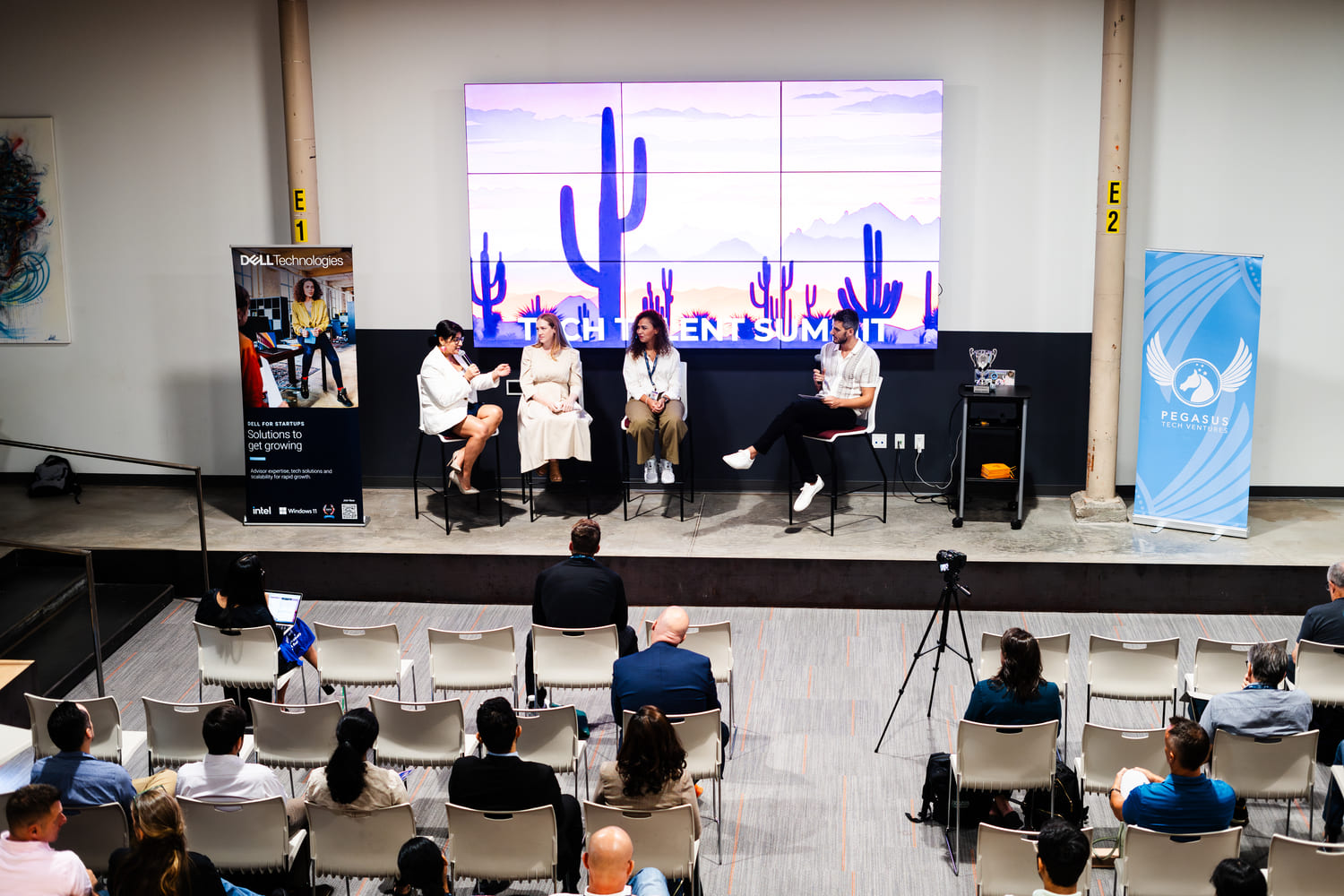
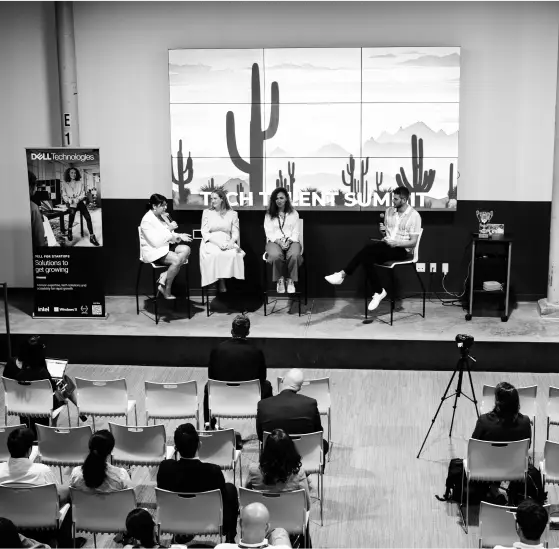
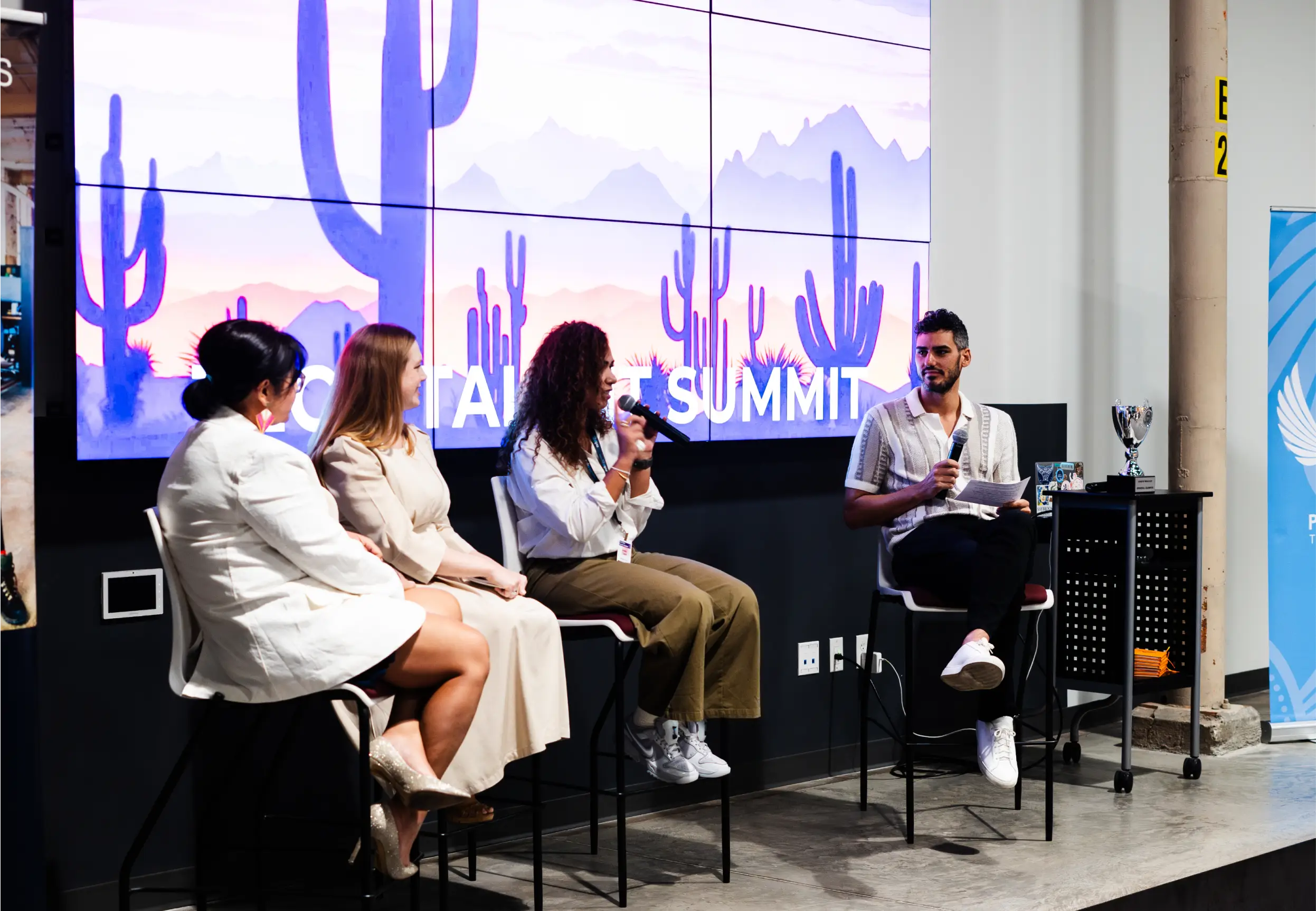
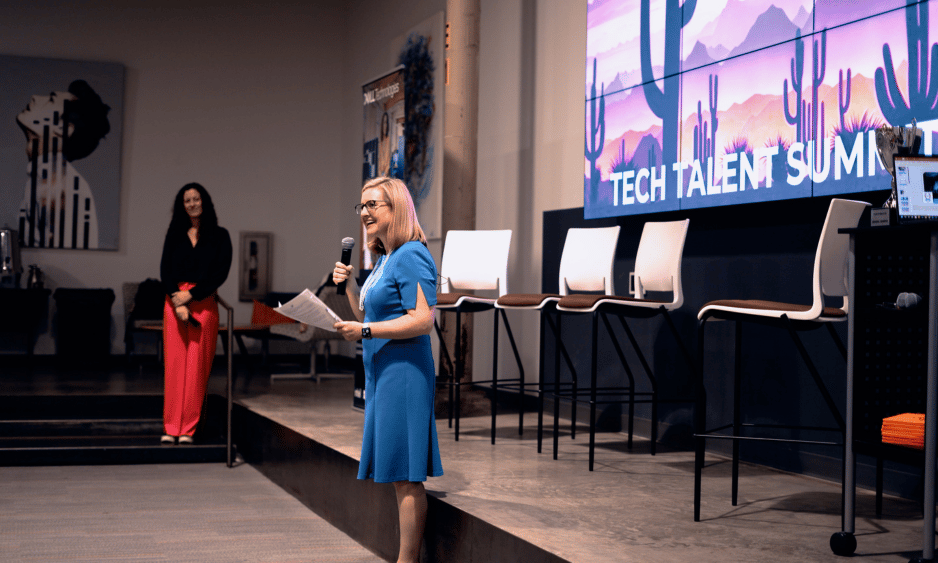
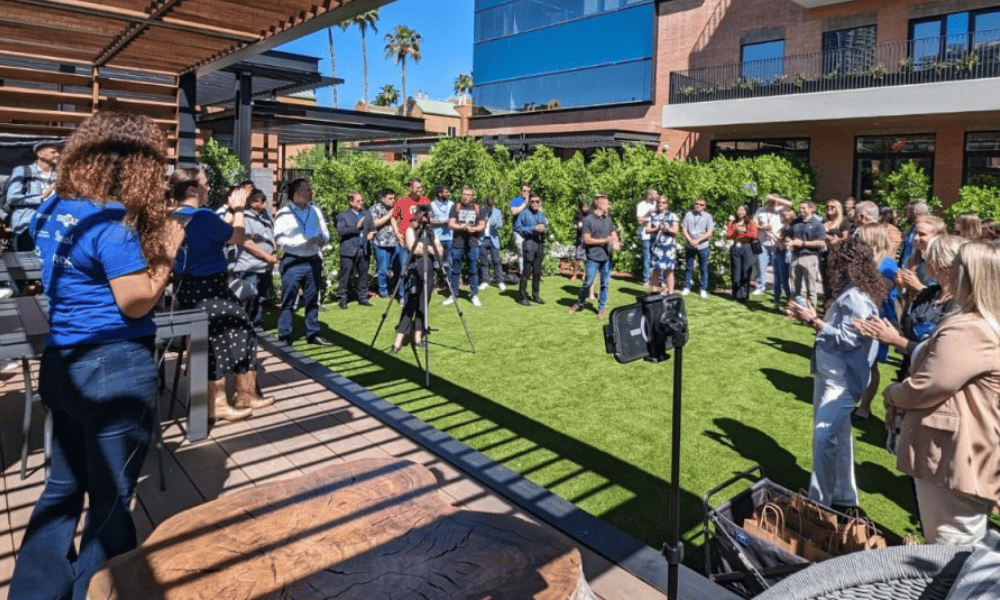
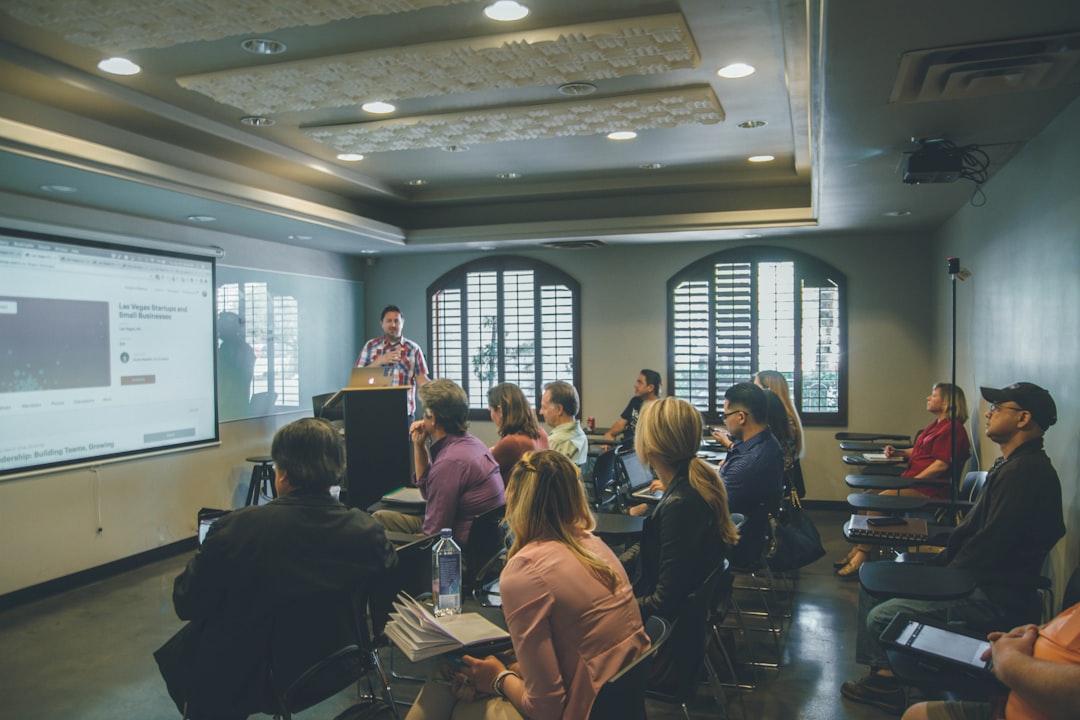
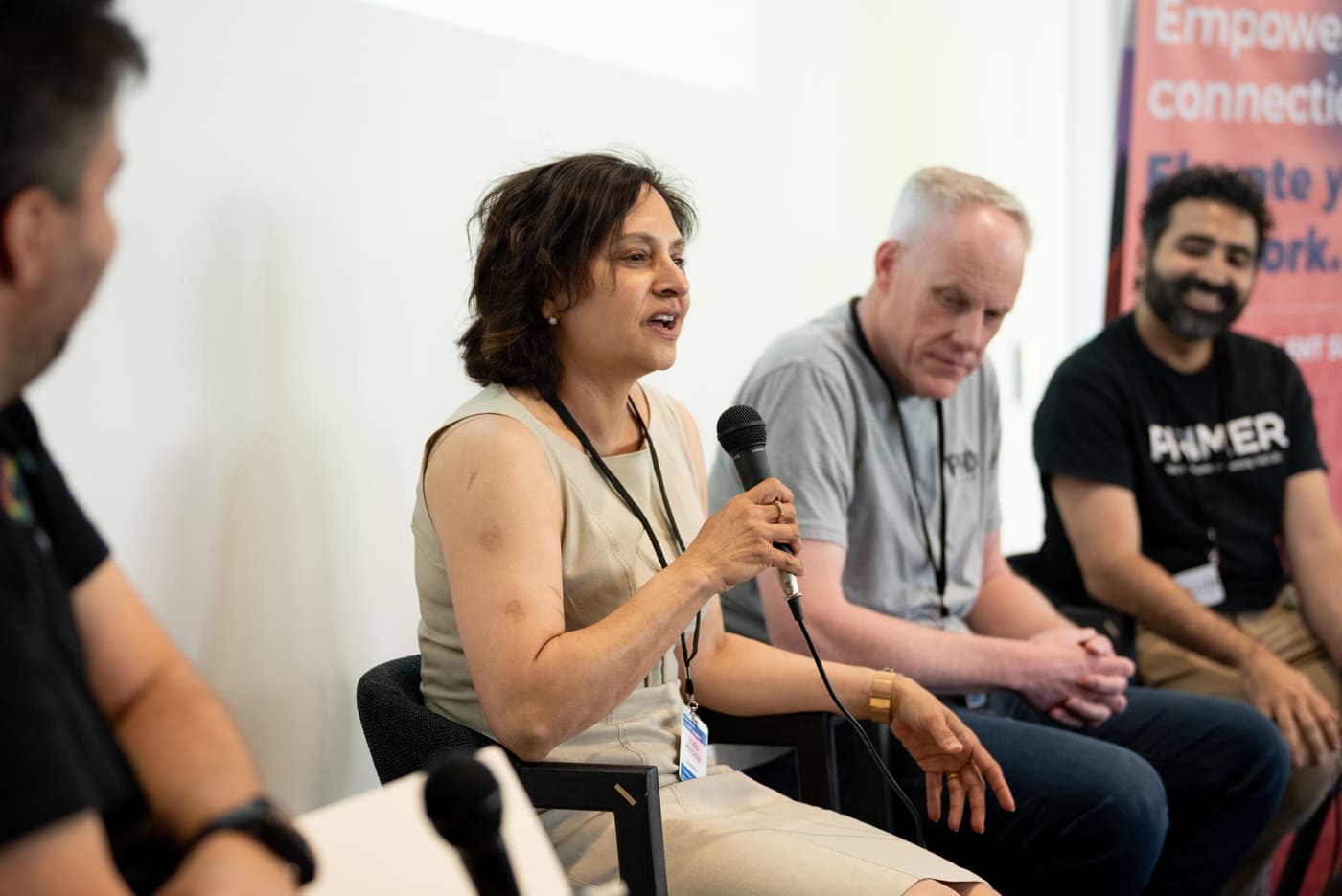
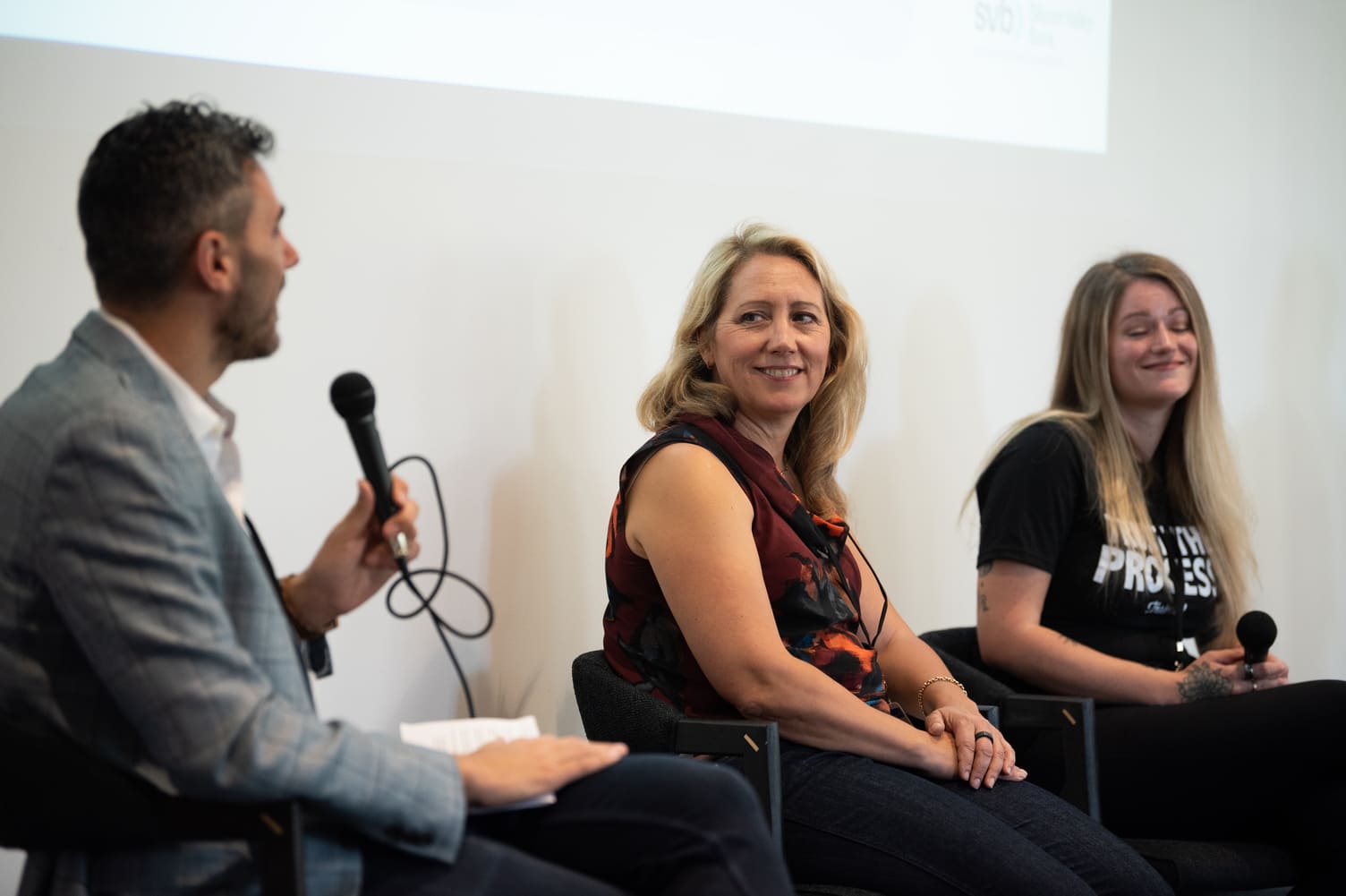
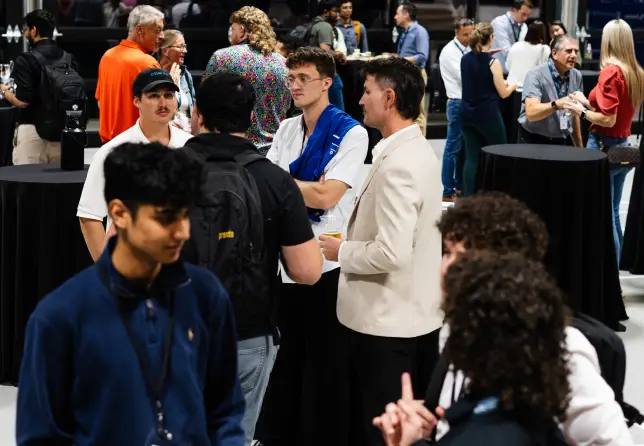
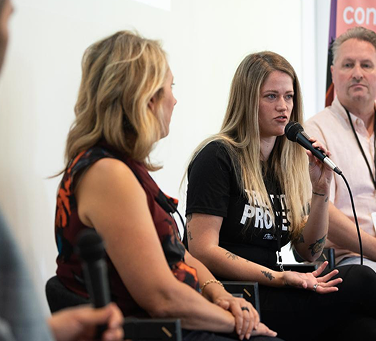
Think of a meetup as an event. It’s time-boxed, usually open to anyone, and designed to be easy to drop into. In Phoenix, that often means a speaker, lightning talks, pitch practice, or structured mingling.
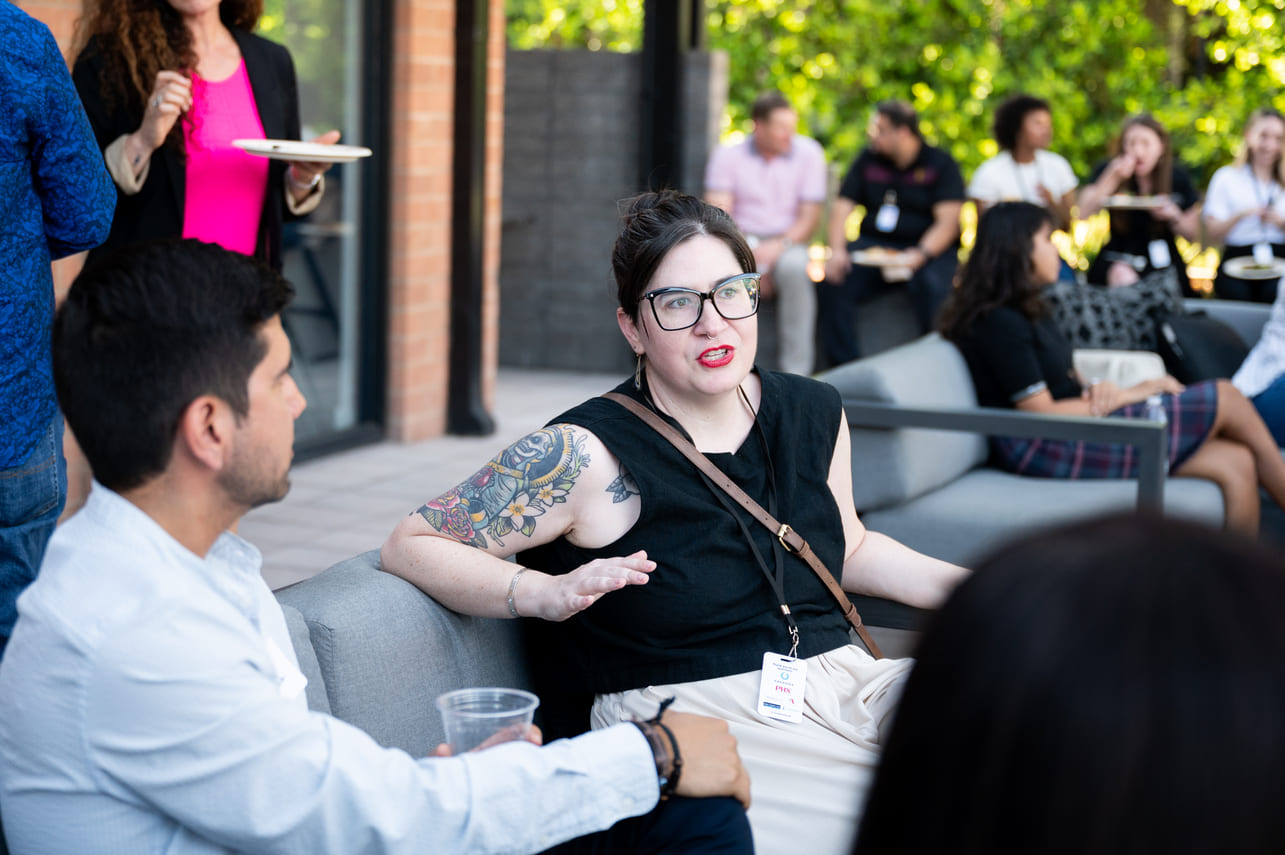
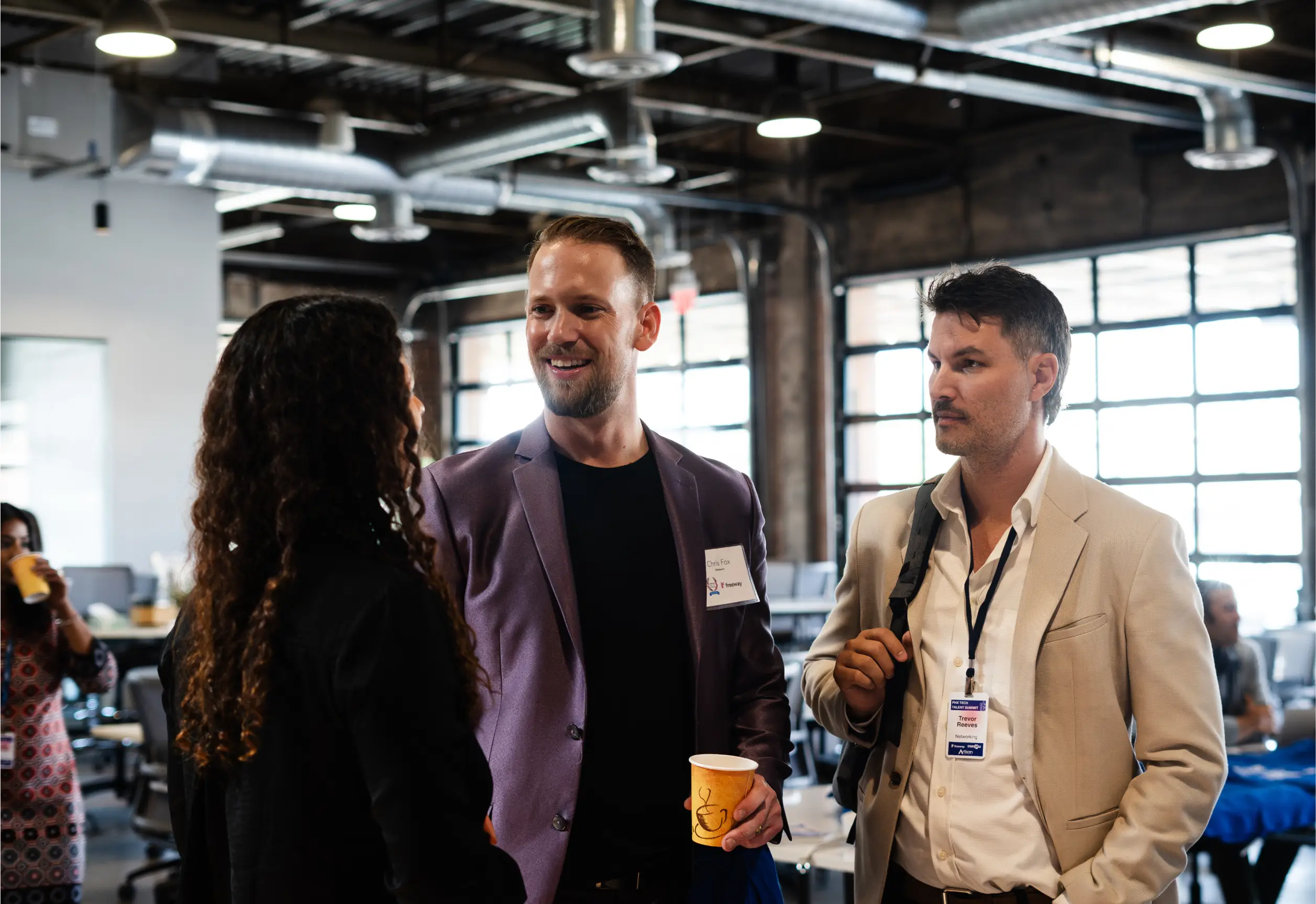
A community is different. It’s a pattern of repeated connection with shared norms: people recognize each other, follow-through is expected, and you are not rebuilding from zero every time you show up.
If you are new to the Phoenix startup ecosystem, meetups can feel like the whole world because they’re the first rooms you find. And that’s not a knock. They are a solid on-ramp when you are still figuring out who is building, who is investing, and what industries are active.
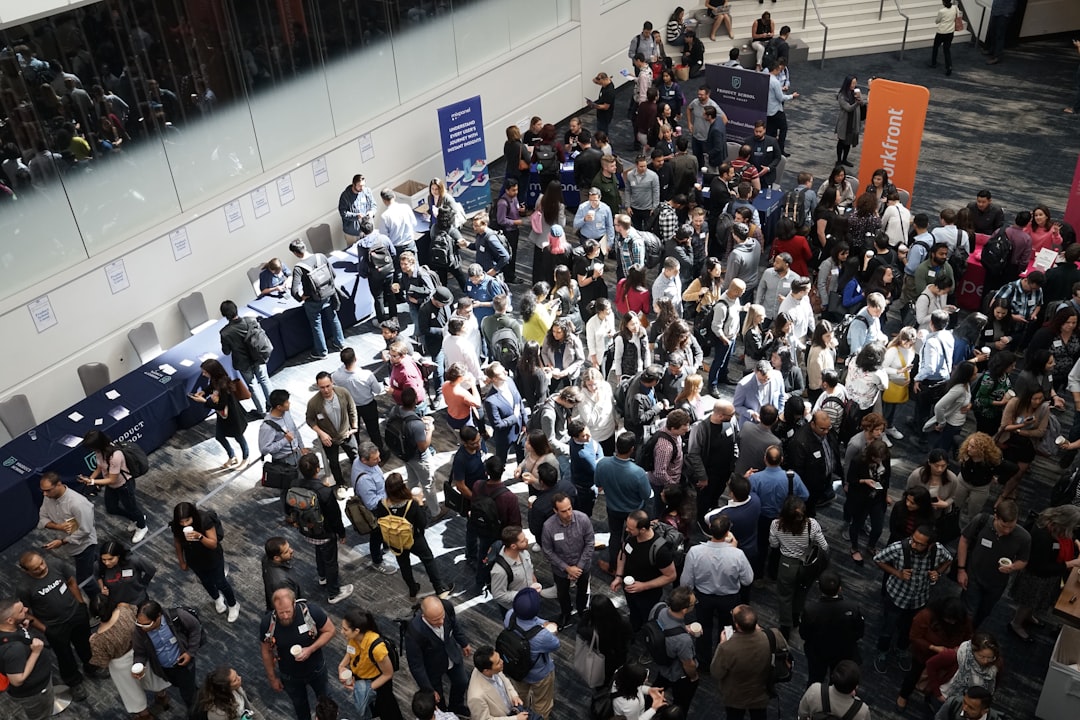
Just keep your expectations realistic. Meetups are high-variance. One night you meet someone who becomes a long-term collaborator. Another night you collect a few polite LinkedIn connections and never talk again. That is normal.
If you want a practical founder-focused room, Phoenix Startup Founder 101 is a good example of a recurring meetup that tends to attract people who want to compare notes, not just socialize.
Meetups are worth your time when you can walk in with a one-sentence goal. If your goal is “I’m here to network,” you will usually get exactly that: networking, not progress. If your goal is clear, people can actually help you.
If you want to scan what is coming up across founder meetups, tech events, and conferences, SFC.US’s Phoenix events hub is a useful starting point when you do not want to rely on word of mouth.
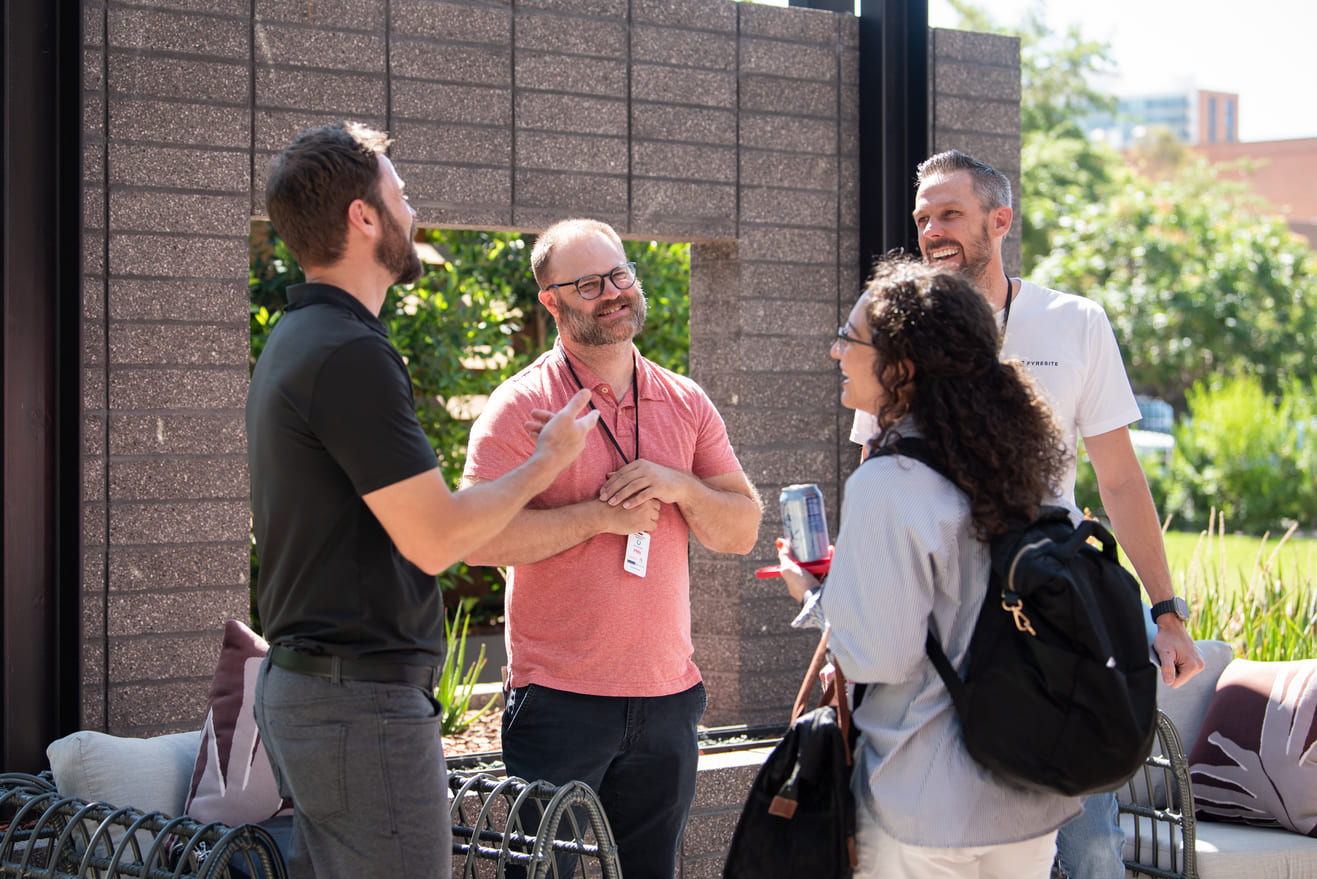
A Phoenix founder community is not defined by one calendar invite. It’s what happens in between. It is the check-in message after a tough week, the “I know someone you should meet” text that comes from real trust, and the quiet accountability that makes you follow through because people are paying attention in a good way.
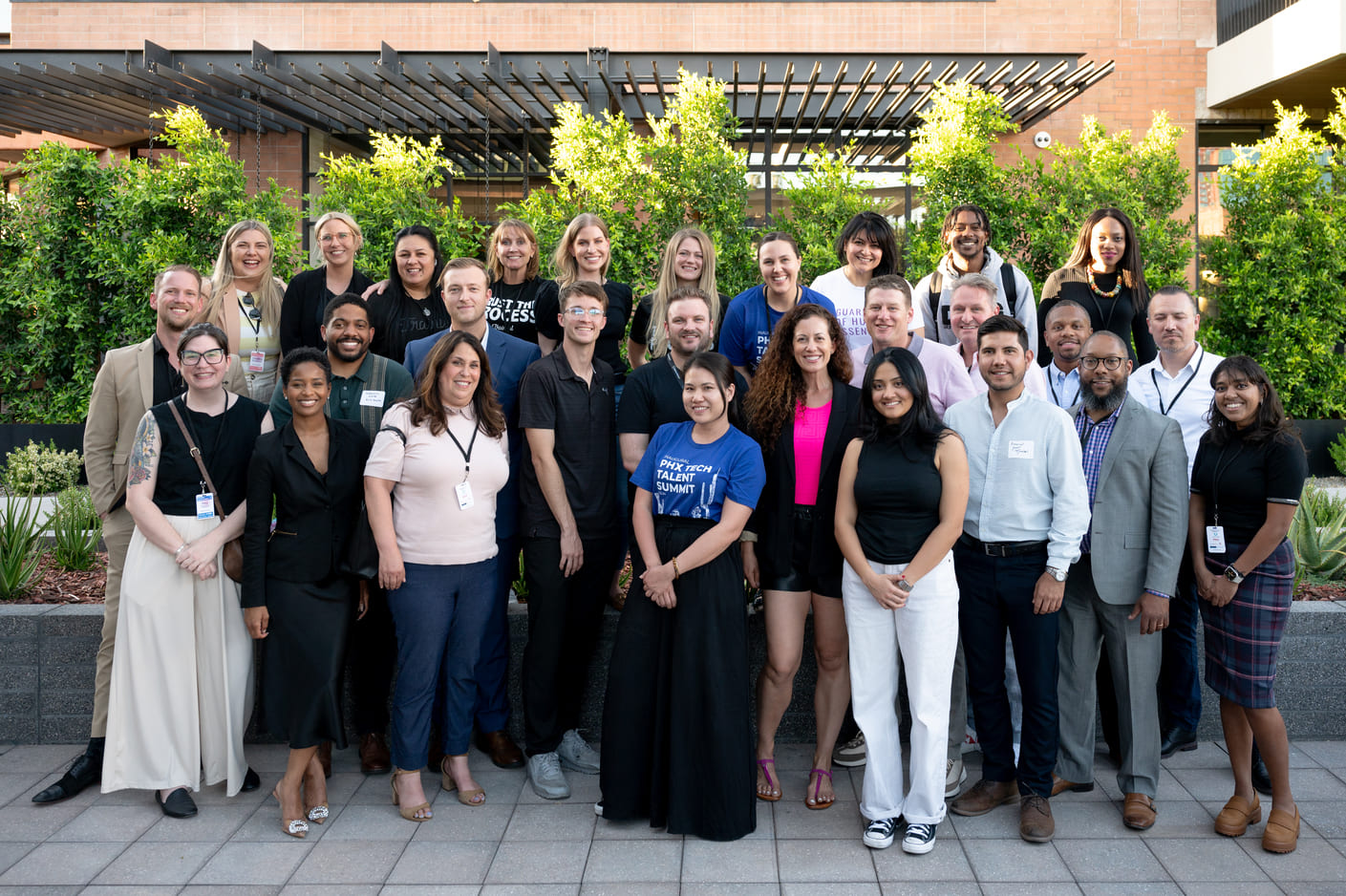
Communities are also infrastructure. They create continuity and memory, which is why they move Talent, Capital & Community together more naturally. People learn your reputation over time: how you show up, how you treat others, and whether you do what you said you would do.
If you want an example of a Phoenix organization that centers connection through accessible programming, take a look at Venture Café Phoenix. The emphasis is on ongoing relationship-building, not a one-and-done night out.
Meetups help you discover people. Communities help you keep people. That distinction matters because most meaningful outcomes in the Phoenix tech ecosystem take more than one conversation. They require context, timing, and trust.
So if you are trying to land your first key hire, get early customer introductions, pressure-test your roadmap, or build investor readiness, community is often the higher-leverage place to spend your limited time. You are not “working the room.” You are building a reputation you can carry from room to room.
There’s a line I come back to a lot: repeated connection beats random networking. It is also why I say access is not broken in Phoenix. It is just hard to see until you are consistently in the right rooms.
You do not have to pick one forever. You do have to pick what you need right now. Here is the decision filter I use when advising stakeholders, founders, and partners.
If fundraising is on your horizon, community usually deserves the first slot on your calendar. Reputation compounds. A last-minute pitch sprint rarely does. If you want a deeper breakdown, read Angel Investing Arizona: Build Relationships Before You Need Funding.
I’m not interested in telling you to attend more events. Most people in this ecosystem are already overloaded. What works is a simple operating system you can stick with.
Freeway exists to make this less confusing, especially if you are a founder, operator, investor, or ecosystem partner who wants signal instead of noise. We build community infrastructure and high-signal convenings where Talent, Capital & Community actually connect.
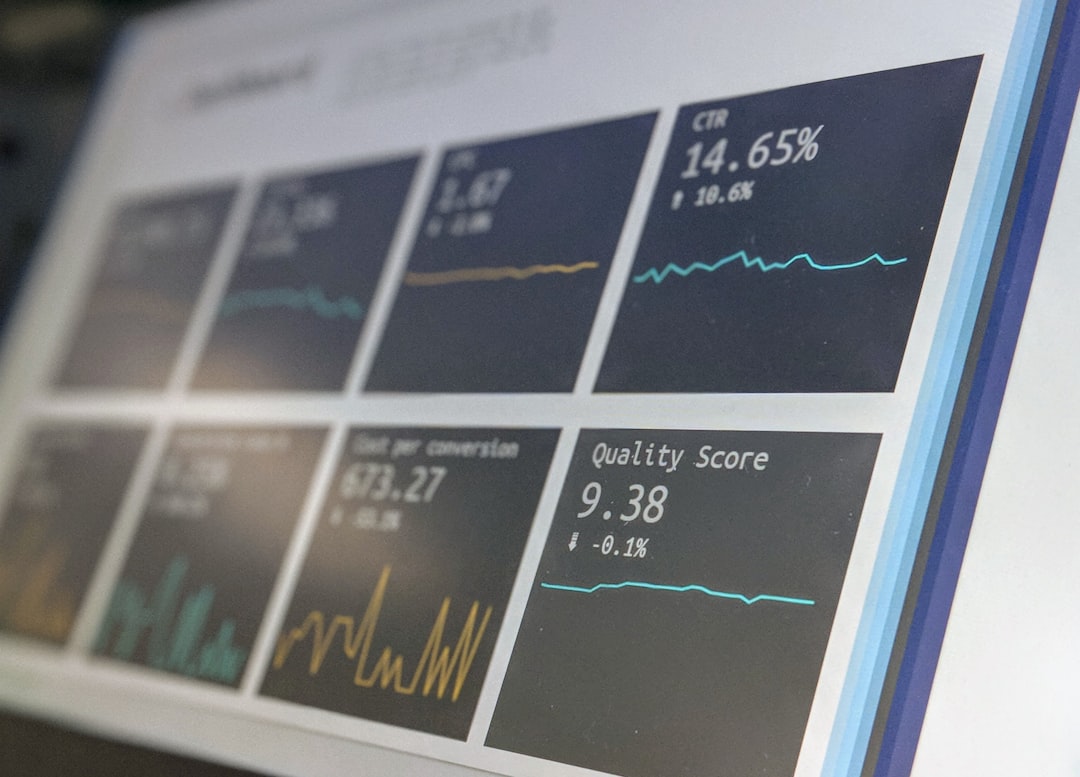
If you are trying to figure out which rooms make sense for your stage, start with Freeway and follow what matches your role. When you are ready for a clearer view of the market, the Freeway Dashboard is our ecosystem map for exploring companies, investors, and the broader landscape with more clarity than “who do you know?”
And if you want the philosophy behind why coordination and intentional design matter for Arizona’s startup ecosystem, I wrote it out in Increasing Arizona’s Venture GDP. It is the clearest explanation of why I think ecosystem work is real infrastructure, not decoration.
Are Phoenix startup meetups worth it if you are busy?
Yes, if you treat them like targeted discovery. Go with a goal, talk to 5 to 7 people, and leave with 1 to 2 follow-ups that have a clear next step.
How do you know if you found a real Phoenix founder community?
You see repeated connection and shared norms. The same people show up, introductions happen without forcing it, and there is follow-through between gatherings. Trust should increase over time.
What is the biggest mistake people make at tech meetups in Phoenix?
Being passive. If you cannot explain what you are building or looking for in one clean sentence, people cannot help you. A little prep turns a noisy night into a useful one.
Can a meetup turn into a community?
Absolutely. It happens when there is consistency, light facilitation, and ways to stay connected between events. The shift is simple: relationships persist outside the room.
If you are fundraising, which should you prioritize?
Anchor in community first, then use meetups selectively. Fundraising tends to move through trust, timing, and warm context. Those are community outcomes more than event outcomes.
Phoenix startup meetups are a great way to get oriented, test ideas, and see who is building what. Communities are where those early conversations turn into trusted relationships, mentorship, hires, partnerships, and warm introductions that matter when the stakes rise.
If you want help choosing the right mix, that’s what we are building at Freeway: a practical on-ramp into Phoenix’s tech ecosystem so you spend less time guessing and more time building. Where talent meets capital and community.






























.png)


.png)
.png)



Where talent meets capital and community























.png)