Build investor list fast by treating Phoenix ecosystem data like a practical tool, not a scavenger hunt. You are not trying to impress anyone with a giant spreadsheet. You are trying to get to a short list you can actually work, follow up on, and build trust with.
I built Freeway as an on-ramp into Phoenix’s tech ecosystem because I kept seeing the same problem: the information is out there, but it is scattered, inconsistent, and usually missing the relationship context that makes Phoenix work. So in this post, I am going to walk you through a simple 30-minute workflow you can repeat every week during a raise.
If you do nothing else, do this: set a 30-minute timer and commit to finishing a clean first pass. You will come back later and refine. The goal today is momentum and clarity.
This is where investor research startup work turns from random browsing into something you can defend to your team and your board. You are building a list with logic behind it.
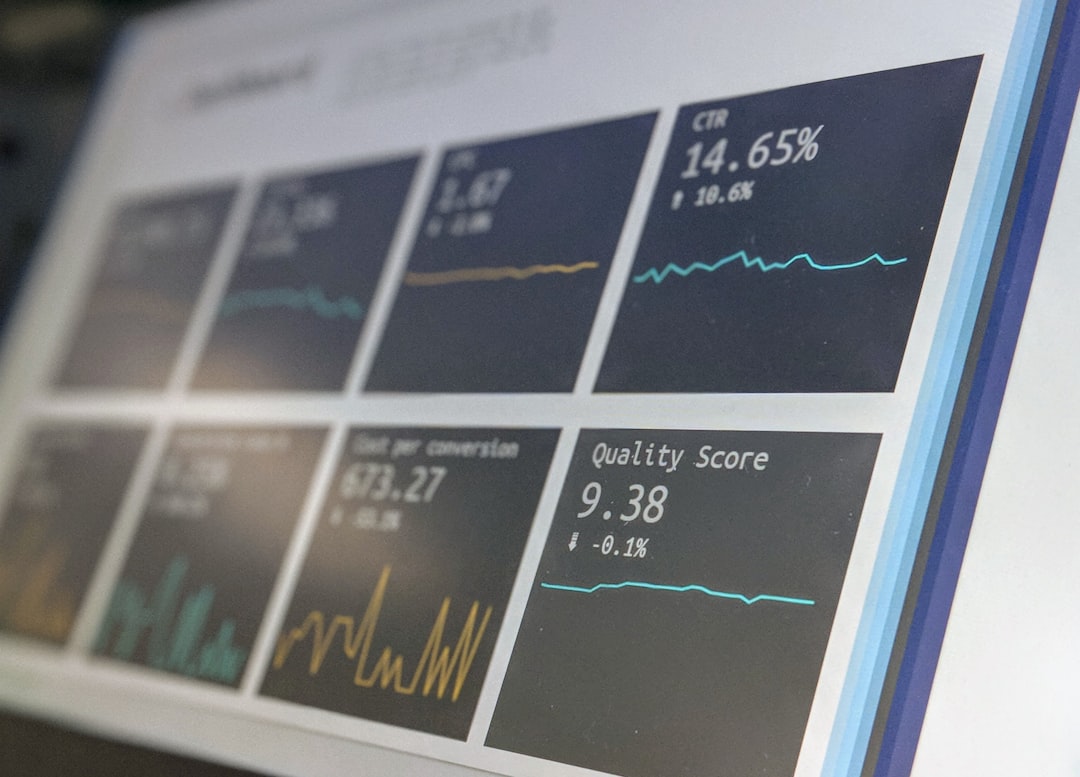
Now you need a visibility layer. A startup ecosystem dashboard helps you stop relying on hearsay and start working from a structured view of what is actually happening.
Start in the Freeway Dashboard. It organizes Phoenix ecosystem data across companies, investors, transactions, and matching tools so you can filter quickly and click through without losing the thread.
In about 10 minutes, your job is to pull a list of 20 investors that fit your filters. Narrow by stage and industry, then sanity-check activity by looking at what they have funded and when. If you want a realistic view of what dashboards can and cannot capture, I wrote a deeper breakdown in Startup Ecosystem Dashboards: Dealroom Data’s Reach & Limits. Data is helpful, but it is never the whole story, especially early.
Think of this as the start of your phoenix investor database. It shows you the playing field. It does not automatically hand you trust or access. That part comes from how you move through the community.
This is the step that saves you the most time. You are going to score each investor so you stop spending energy on people who cannot realistically say yes.
Add three columns and score each one from 1 to 3. Then total the score.
When you total it up, make it easy on yourself:
This is how you build investor list that is realistic and usable, instead of aspirational and exhausting.
Phoenix is relationship-driven. That does not mean you need to be “in the club.” It means you need to respect how trust gets built here. So once you have your top 10 to 15, add one more column: warm path.
For each Tier 1 target, list one credible way you might get in the room over the next few weeks:
If you are raising early, you will get more leverage by showing up before you need the check. I break that down in Angel Investing Arizona: Build Relationships Before You Need Funding, because the best outreach in Phoenix usually feels like a continuation of a conversation, not a surprise pitch.
And yes, you can absolutely layer in out-of-state capital. Just do it intentionally. If your strategy includes cross-border investors, you need to be sharper on preparation and credibility, which is why we put together International Investors Startups: AZ Cross-Border Capital and a Smarter Global Raise from Phoenix.
Here is the exact workflow I want you to copy into your tracker and run every Monday while you are actively fundraising.
One of the reasons I care so much about this being repeatable is that ecosystem building is infrastructure, not vibes. I shared more of that philosophy in my piece on coordination and increasing Arizona’s venture GDP, and it is still the north star for how we build at Freeway: Increasing Arizona’s Venture GDP.
How many investors should you start with?
Start with 20, score them, then focus on your top 10 to 15. In Phoenix, a smaller, high-fit list paired with real warm paths beats a massive list you never follow up with.
Is a phoenix investor database enough to get meetings?
It gives you visibility, not trust. Use ecosystem data to identify targets, then earn access through Trusted Community, founder-to-founder context, and showing up consistently in the right rooms.
What if you are too early or stealth and the dashboard does not show much?
That happens. Use the data for direction, then validate with conversations, local operators, and founder referrals. Early-stage activity can lag in public datasets.
How do you avoid wasting time on investors who will never invest?
Be strict about stage fit and check size. Then look for proof in their prior deals. Your three-part fit score is your guardrail when you are tired and tempted to spray and pray.
What is the fastest next step after you build investor list?
For each Tier 1 investor, write a one-paragraph note that is specific to them and ends with a clear ask. A 20-minute call. Feedback on your round. Or an intro to someone in their network who matches your customer space.
If you can build investor list quickly, you buy back time for the work that actually moves the needle: building trust, staying organized, and showing momentum through follow-up. Use ecosystem data to create clarity, then use Phoenix’s relationship culture to create access.
When you are ready to map the market with more signal and less noise, start with the Freeway Dashboard. Keep your list tight, scored, and connected to warm paths you can act on this week. Where talent meets capital and community.









































.png)


.png)

.png)




Where talent meets capital and community





































.png)