AI readiness startup work starts way before you pick a tool. If you want AI to actually help your team (instead of creating a new layer of confusion), you need a clear definition of “ready,” a few workflows worth fixing, and some simple standards everyone can follow.
I’m Daniela, the founder of Freeway. I spend a lot of time with Phoenix founders, operators, hiring leads, and ecosystem partners who are trying to make AI practical without turning the company into a science project. The pattern is pretty consistent: the teams that win are the ones that keep it grounded, train people early, and track what changes.
When people tell me, “We’re getting into AI,” my next question is always: “For what, specifically?” Readiness is not a vibe. It’s a decision about where AI creates leverage, who owns the workflow, and what your guardrails are.
If you want a good outside reference point, I like how J.P. Morgan frames it in their guide on harnessing AI for startups. The emphasis is on practical use cases like project management, support, and training, not moonshots that require a huge engineering bench.
Here are three questions I recommend you answer in plain language, not “strategy deck” language:
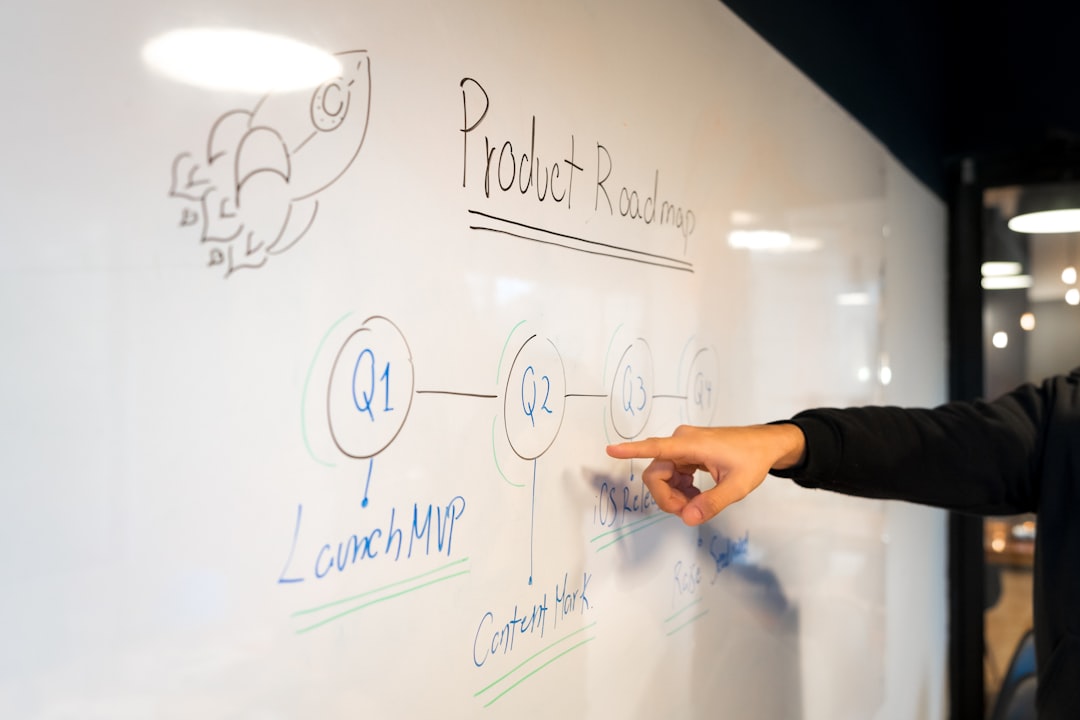
If you want fast wins, don’t start by shopping. Start by looking for time leaks. In early-stage companies, the same culprits show up over and over: inbox pileups, meeting sprawl, messy handoffs, and onboarding that lives in someone’s head.
Do a two-week audit with your leads. Keep it lightweight and honest:
For a lot of phoenix startups ai teams, the first pilots that actually stick look like:
Most “AI rollouts” fail for a boring reason: people aren’t sure what good looks like, so they either avoid it or they over-trust it. That’s why ai training for teams needs to be treated like onboarding. A single workshop is not a system.
If you want a simple training loop that works in a lean org, here’s one I’ve seen land well:
HubSpot makes a useful point in their overview of AI tools for startups: tools are increasingly bundled with enablement and learning features. That matches what I see locally. Readiness is a skills problem as much as it is a tools problem.
One practical tip: pick an “AI point person” in each function. Not an “AI czar,” just a go-to teammate who tests a workflow, documents what works, and helps others avoid face-planting on week one.
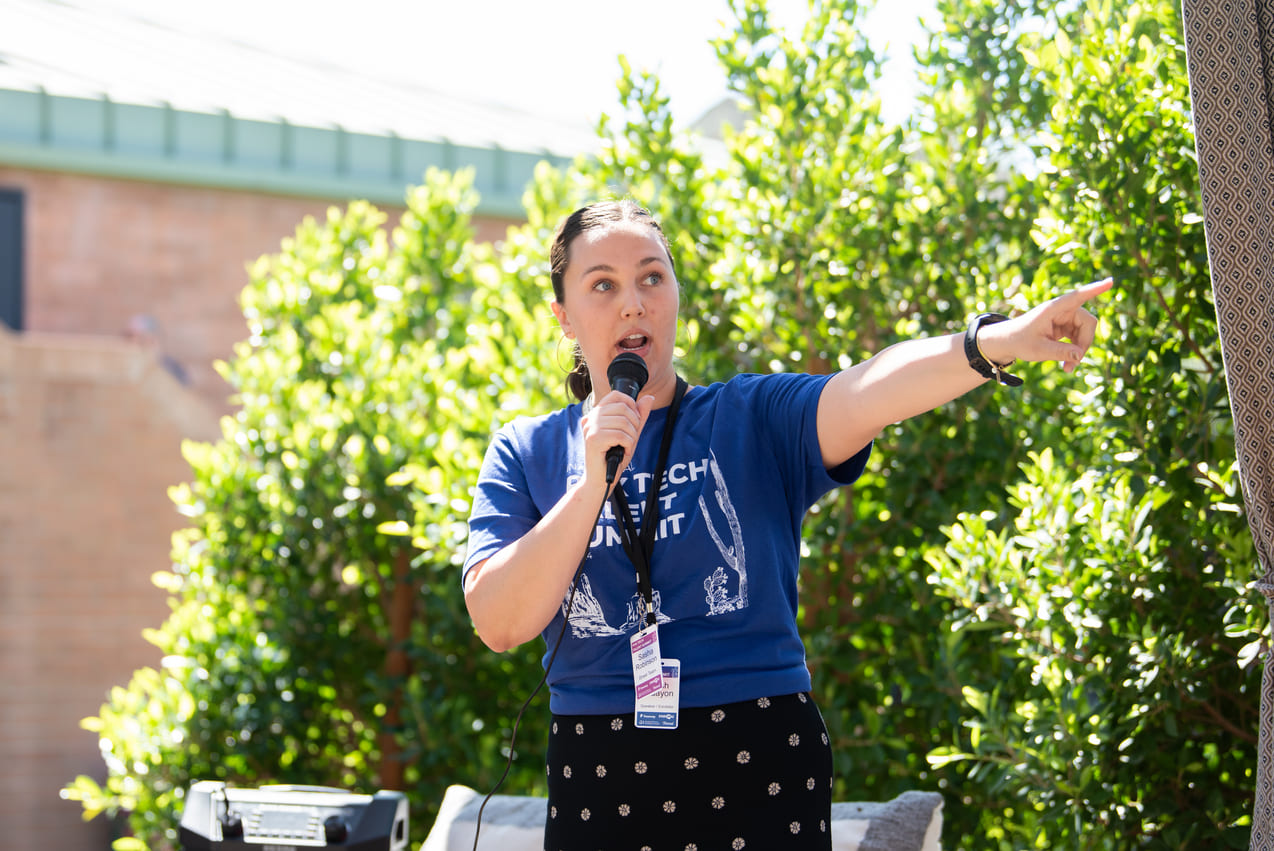
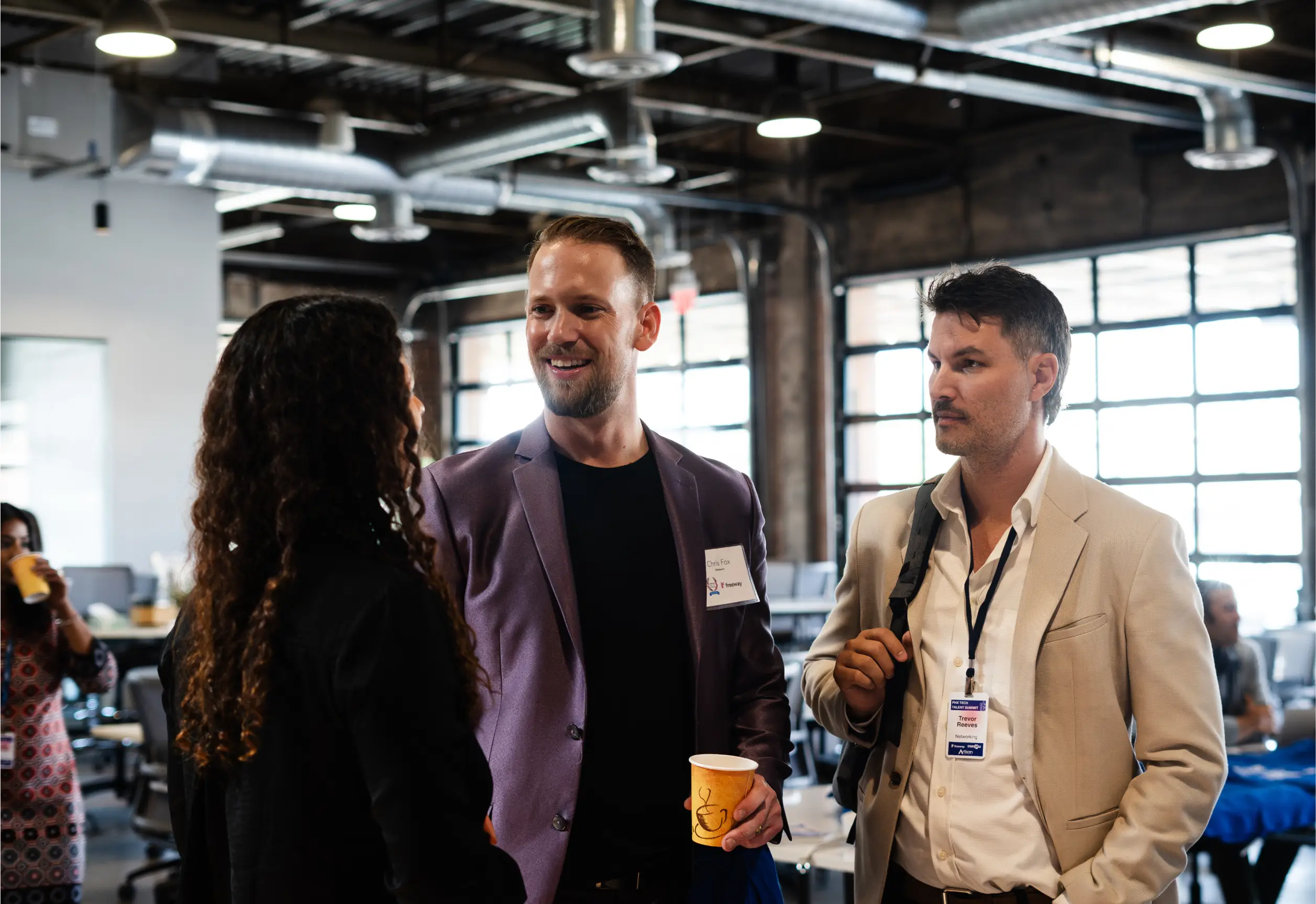
Phoenix is not an AI desert. What we do have, though, is a visibility gap. Great work is happening across the Phoenix tech ecosystem, but if you’re not in the right rooms, you can miss it.
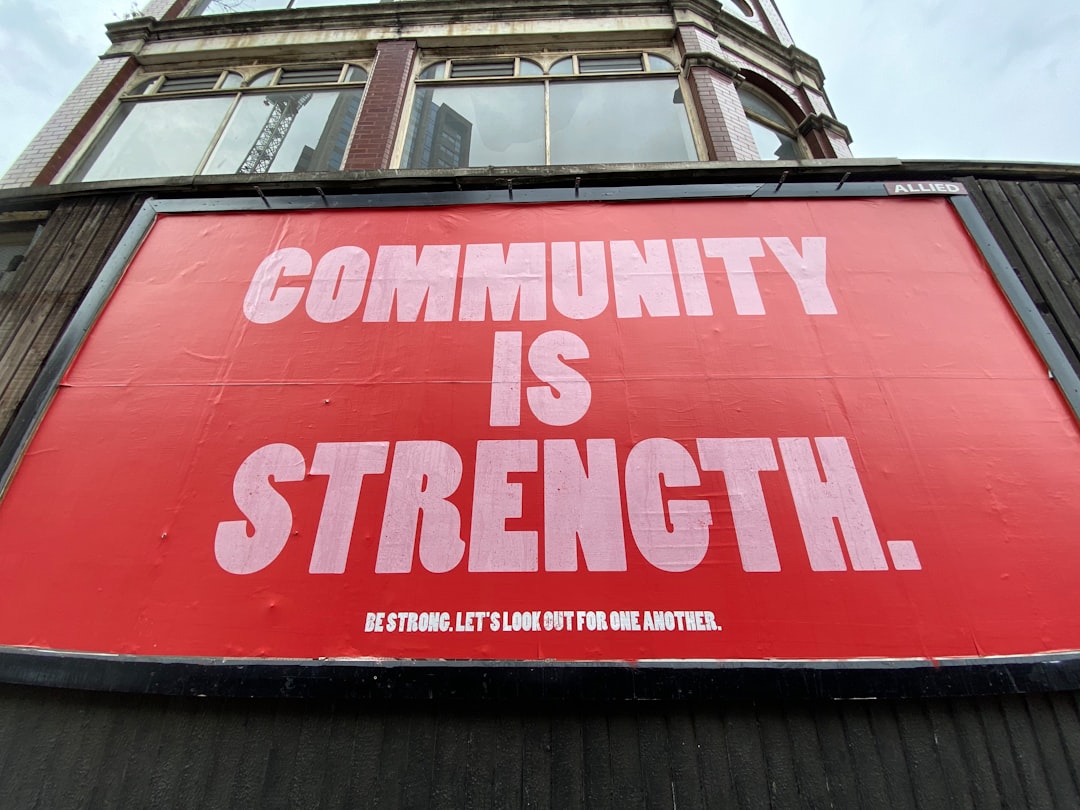
That’s part of why I wrote about ecosystem coordination and why it matters in Arizona in my LinkedIn piece on increasing Arizona’s venture GDP. The big idea is simple: access is not broken here. It’s just hard to see, and it gets easier when community becomes infrastructure, not decoration.
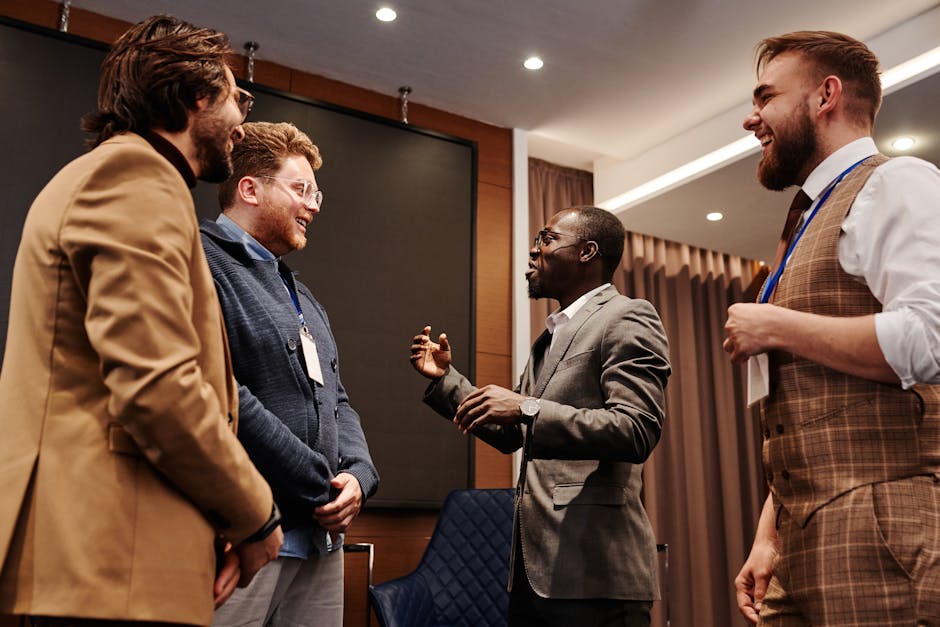
If you want to learn faster, you don’t need 20 more podcasts. You need proximity to operators who are piloting AI in real workflows, then sharing what’s working and what’s not.
You can also plug into structured communities that focus on implementation. Workuity’s Center for AI Excellence founding cohort is one option I point people to when they want a serious, local on-ramp with peers who are actually building.
Even if you’re not raising right now, you still need proof. Otherwise AI becomes theater: lots of demos, not much operational lift.
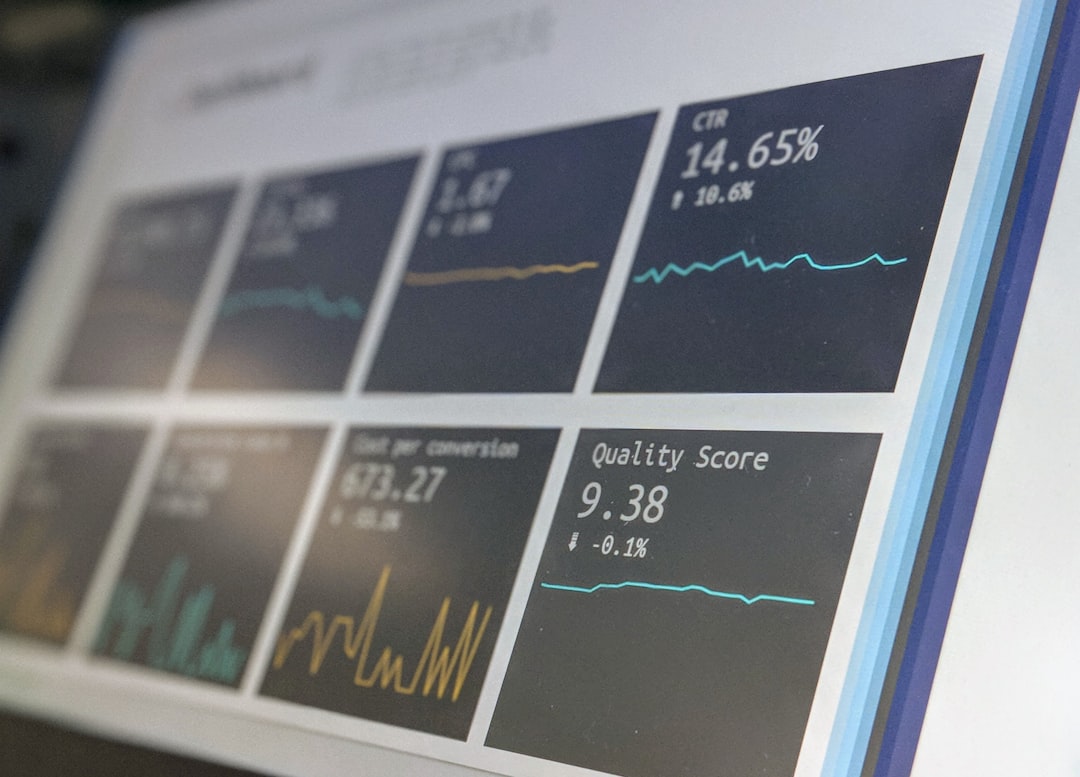
For startup operations AI, keep your scorecard simple. Pick two or three metrics per pilot and review them monthly:
Assign a single owner for each pilot. One name. One person responsible for improving the workflow every iteration. If it’s “everyone’s job,” it’s nobody’s job.
Here’s the tension I see in Phoenix teams right now. Some founders over-invest in infrastructure before they have product-market fit. Others avoid AI entirely, then get squeezed later when customers expect faster turnaround times and competitors hire teams that already know how to work with modern tools.
The balanced approach is usually the one that holds up into 2026:
If you’re thinking about how AI readiness affects hiring, you’ll get more signal from our guide on AI-Readiness in Phoenix Tech Hiring: What Arizona Talent Wants. And if you’re tightening your people strategy more broadly, pair it with A Smarter Hiring Framework for Phoenix Startup CEOs.
What is AI readiness for a startup team?
AI readiness means you have the workflows, training, and measurement in place to use AI reliably. You know which use cases you’re targeting, you have clear standards for data and review, and your team can use the tools without guessing.
What should you automate first in startup operations AI?
Start with repetitive, low-judgment work like support triage, meeting summaries to action items, drafting templates, internal documentation, and scheduling. Keep high-risk decisions human-owned until you have strong review and accountability.
How much ai training for teams is enough?
It’s enough when every function can use approved tools safely and consistently, and outputs meet a shared quality bar. In practice that means a few structured sessions, role-based examples, and ongoing updates, not a single lunch-and-learn.
How do Phoenix startups AI teams find community and peers?
Look for cohorts and operator-led groups where implementation is the point. Programs like Workuity’s Center for AI Excellence can be a strong start. And if you want a broader on-ramp into Phoenix’s startup ecosystem, Freeway helps you find the Trusted Community rooms where Talent, Capital & Community overlap in practical ways.
If you want AI readiness to stick, keep it human. Audit where your time leaks, pilot one workflow at a time, train the whole team, and track a small set of metrics that reflect real operational lift.
And because you’re building in Phoenix, use the advantage that’s right in front of you: a growing Phoenix startup ecosystem where operators learn fastest through repeated connection. If you want a clearer on-ramp, start with Freeway. I’ll help you get into the high-signal rooms and build real momentum where talent meets capital and community.





























.png)


.png)
.png)


Where talent meets capital and community























.png)