
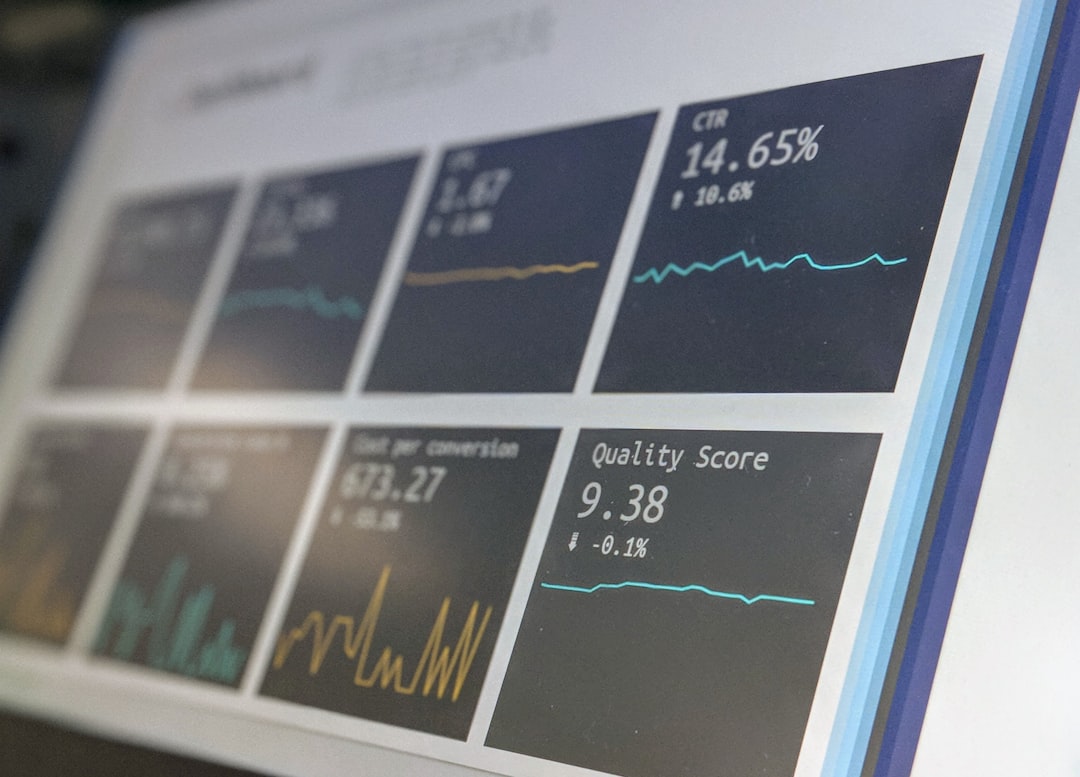
Phoenix startup ecosystem dashboard is what you search for when you are done playing tab whack-a-mole. You are trying to build a company, hire, raise, invest, or just keep up, and the same basic questions keep eating your time: Who is actually building here? Who is hiring? Who is investing? What programs are worth paying attention to?
I’m Daniela, and I built Freeway because Phoenix does not have an “access” problem. It has a visibility problem. The Phoenix startup ecosystem is real, but the signal is scattered across intros, newsletters, spreadsheets, and private chats. That scatter adds friction, especially if you are new to the region or you do not already have a tight set of connectors around you.
The Freeway Dashboard is my attempt to give you a clean on-ramp into Phoenix’s tech ecosystem: one link you can come back to when you need structure instead of rumor. You can explore it here: Freeway Dashboard.
You already know Phoenix is busy. The part that gets annoying is how hard it can be to see the activity unless you happen to be in the right group text. A phoenix startup ecosystem dashboard matters because it cuts down search costs. It gives you a map you can revisit, not a one-off snapshot that goes stale.
When you can scan the landscape in a few minutes, you make better calls. You pick higher-signal events. You build a smarter outreach list. You stop guessing which investors actually deploy here. And you spend more of your week building, not hunting.
The Freeway Dashboard is a Dealroom-powered ecosystem map for Phoenix and Arizona. It pulls together companies, investors, accelerators and incubators, grants, transactions, and market activity so you can navigate the Phoenix tech ecosystem with less friction.
It is not a magic mirror. Early-stage teams move quietly, some traction never hits public sources, and any dataset has edges. I’m very direct about that tradeoff in this piece: Startup ecosystem dashboards: Dealroom data’s reach and limits.
Here is the way I want you to think about it: the Dashboard is an index. It helps you find the thread worth pulling. Then you do the human part: you ask better questions, you get context from people who know the story, and you show up consistently enough to earn trust.
If you only open a dashboard when something is on fire, it will feel like homework. The value shows up when you make it a small habit. Give it 20 to 30 minutes once a week. Same time, same flow.
I use a simple lens inside Freeway that keeps you out of the weeds: Talent, Capital & Community. You are always trying to answer three questions:
Try this weekly sprint:
Do that for 6 weeks and Phoenix stops feeling like a blur of names. It starts feeling like a place you can navigate.
If you are job searching, I want you to get out of the “spray and pray” loop. A dashboard helps you reverse the process. Instead of starting with job posts, start with teams that match your interests, values, and pace. Then you can reach out with real context, not a generic message.
When you want to cross-check open roles, use a job destination like PHX FWD jobs, then come back to the Dashboard to understand who the company is, what space they play in, and what else is happening around them.
I’ve watched founders lose weeks pitching people who were never a fit. The faster approach is boring but effective: look at what investors have funded, where they invest, and whether they are active right now.
Inside the Dashboard you can explore investors and transactions so you can build a focused list grounded in behavior, not branding.
If you are thinking about why coordination matters so much at the Series A and growth stages, I unpack Phoenix’s ecosystem velocity here: Series A in Arizona: unlocking Phoenix’s ecosystem velocity.
Data does not replace judgment, but it can keep you honest. When you look at phoenix tech ecosystem data in a dashboard, you are not searching for a single “answer.” You are watching for patterns that repeat.
Once you spot a pattern, the next step is simple: talk to people who are close to it. Ask what you are missing. Ask what is real versus what just looks good in a headline.
Here is the part I never want you to miss: dashboards make access visible, but they do not create access by themselves. In Phoenix, outcomes compound through credibility and repeated connection. That is what I mean when I say Trusted Community. You show up. You contribute. People start to recognize your work and your follow-through.
If you are new here, it helps to learn the local language. I put together a plain-English guide so you can move faster without feeling like you missed a memo: Phoenix startup ecosystem glossary: terms and how it works.
And if you want the bigger strategic frame behind why I treat coordination like infrastructure, not a nice-to-have, I wrote it out here: Increasing Arizona’s venture GDP.
Most “dashboards don’t help” feedback comes down to approach, not the tool. A few traps are easy to fall into:
What is the Freeway Dashboard?
It is Freeway’s Dealroom-powered ecosystem map for Phoenix and Arizona. You use it to explore companies, investors, programs, transactions, and market activity in one place.
Is a phoenix startup ecosystem dashboard only useful if you are a founder?
No. Founders use it for fundraising and partnerships, operators use it for market context, talent uses it to find the right teams, and partners use it to coordinate programs and spot gaps.
How accurate is phoenix tech ecosystem data in a dashboard?
It is strong for known companies, public funding events, visible investors, and trackable activity. It will miss stealth work and anything that is not public. Treat it as a reliable base layer, then validate through conversations and on-the-ground context.
How do you avoid getting overwhelmed inside a startup ecosystem platform?
Bring a weekly workflow. Use the Talent, Capital & Community lens, set a 30-minute timer, and track patterns instead of trying to absorb everything in one sitting.
If you are new to Phoenix, where should you start?
Start with the Freeway site to understand how we think about the ecosystem, then open the Dashboard and pick one community node you can show up to consistently. In Phoenix, repeated connection beats random networking.
Phoenix is full of builders, buyers, and backers. The hard part is not that it is empty. The hard part is that it is spread out. A phoenix startup ecosystem dashboard makes the market more legible so you can spend less time searching and more time building.
If you want a practical place to start, open the Freeway Dashboard, pick one question you need answered this week, and run the 30-minute Talent, Capital & Community sprint. Where talent meets capital and community, the right next step gets easier to see, and easier to take.







































.png)


.png)

.png)
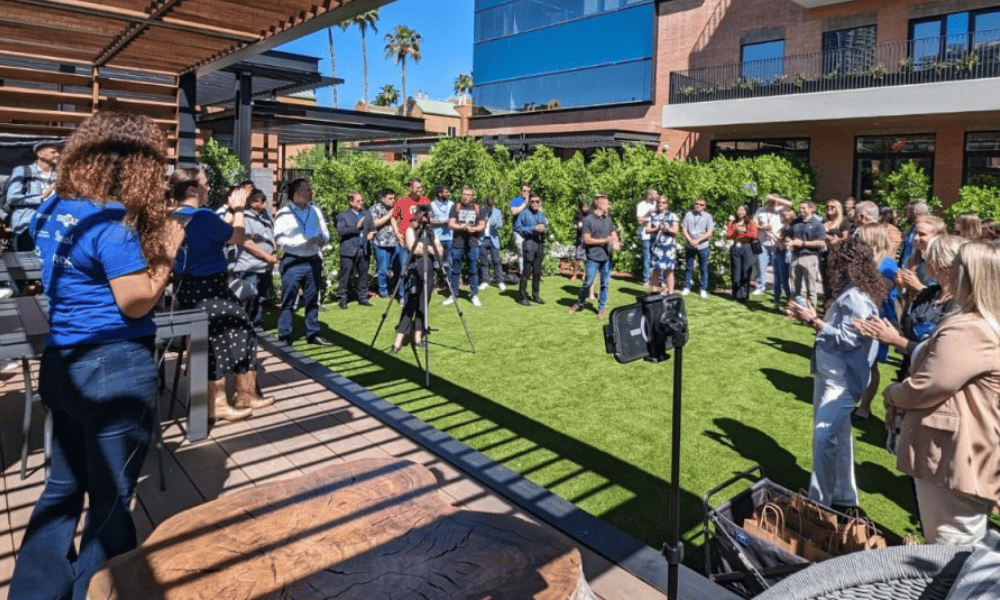



Where talent meets capital and community































.png)