Phoenix B2B SaaS is easiest to understand when you stop looking for one “scene” and start looking for patterns. When you live and work here, you notice the same people, companies, and conversations popping up in the same pockets of the Valley. Customers gather in certain industries. Talent moves through a few reliable on-ramps. Capital flows through warm, trusted channels.
I founded Freeway because I kept hearing the same frustration from founders, operators, and partners: “I know the market is here, I just can’t see it clearly.” Phoenix access is not broken. It’s just hard to see unless you have a map and a Trusted Community to move with.
This is that map. You’ll get a practical view of where B2B demand concentrates, how talent actually circulates, where capital decisions tend to happen, and what I’d do in the next 30 days if you were building, hiring, investing, or looking for your next operator role in Arizona.
People sometimes talk about the Phoenix tech ecosystem like it’s a single downtown corridor. That’s not how it behaves in real life. The Valley is a set of overlapping nodes: Tempe’s university gravity, Scottsdale’s operator density, downtown convenings, and enterprise buyers distributed across the metro.
If you’re building B2B startups Phoenix teams can scale, this matters because your go-to-market and hiring motion should match the shape of the place you’re operating in. Here’s the simple framework I come back to:
One more thing that’s very Phoenix: repeated connection beats random networking. If you’re only popping in once, you’ll miss the signal. If you show up consistently, the market starts to feel a lot smaller.
If you want traction faster, anchor around the industries that already run Arizona’s economy and already buy software. You can absolutely sell nationally from Phoenix, but your earliest wins are often one or two degrees away from your existing relationships.
In practice, I see B2B demand concentrate around:
What’s distinct about Phoenix buyers is how practical they are. If your product saves time, reduces errors, improves throughput, or lowers risk, you can often get to a pilot without a drawn-out, committee-heavy process. The catch is you need to explain value in operational language. Skip the startup buzzwords. Talk in terms of cycle time, rework, utilization, and dollars recovered.
Let’s talk talent, because I hear the same debate over and over: “Is the talent here?” Yes. The bigger challenge is visibility and trust. Great engineers, product leaders, RevOps builders, and enterprise sellers exist across the Valley, but they do not always have a high-signal way to find the right stage companies. Startups have the same problem in reverse.
Here’s how talent clusters usually form:
If you’re hiring, aim for repeatable access rather than one-off sourcing sprints. If you’re job hunting, aim for trust and proximity rather than sending 80 cold applications into the void.
If you’re making the corporate-to-startup jump, I wrote this to be straightforward and useful, not motivational: Corporate to Startup in Phoenix: Your Operator Transition Guide. It’ll help you translate what you’ve done into what a startup actually needs at each stage.
Capital in Arizona is real, and it’s not just traditional venture. Many Arizona SaaS startups build a capital stack that includes angels, seed funds, customer revenue, strategic partners, and non-dilutive support. The founders who do well here get clear on what kind of capital matches their stage and risk profile, then they pursue it with focus.
Three capital realities I want you to plan around:
If grants are part of your runway strategy, you can use the Arizona Commerce Authority SBIR/STTR Resource Center as a starting point, and then follow my step-by-step breakdown here: SBIR/STTR Grants Arizona: Phoenix Founders’ Step-by-Step Guide.
When you want a broader view of who’s building and backing companies locally, use the Freeway Dashboard. It’s the closest thing we have to an ecosystem map for companies, jobs, investors, and connectors in one place.
Not every company should “sell to Phoenix” the same way. The fastest path is usually to pick a sub-market where you have real access and where the pain shows up every week, not once a quarter during budget season.
Use this quick filter before you spread yourself thin:
AI is also becoming a practical accelerator in the region, but only if you anchor it to workflow and adoption realities. If you want a grounded approach that won’t send you chasing tools, use: AI Readiness Startup Playbook for Phoenix Teams.
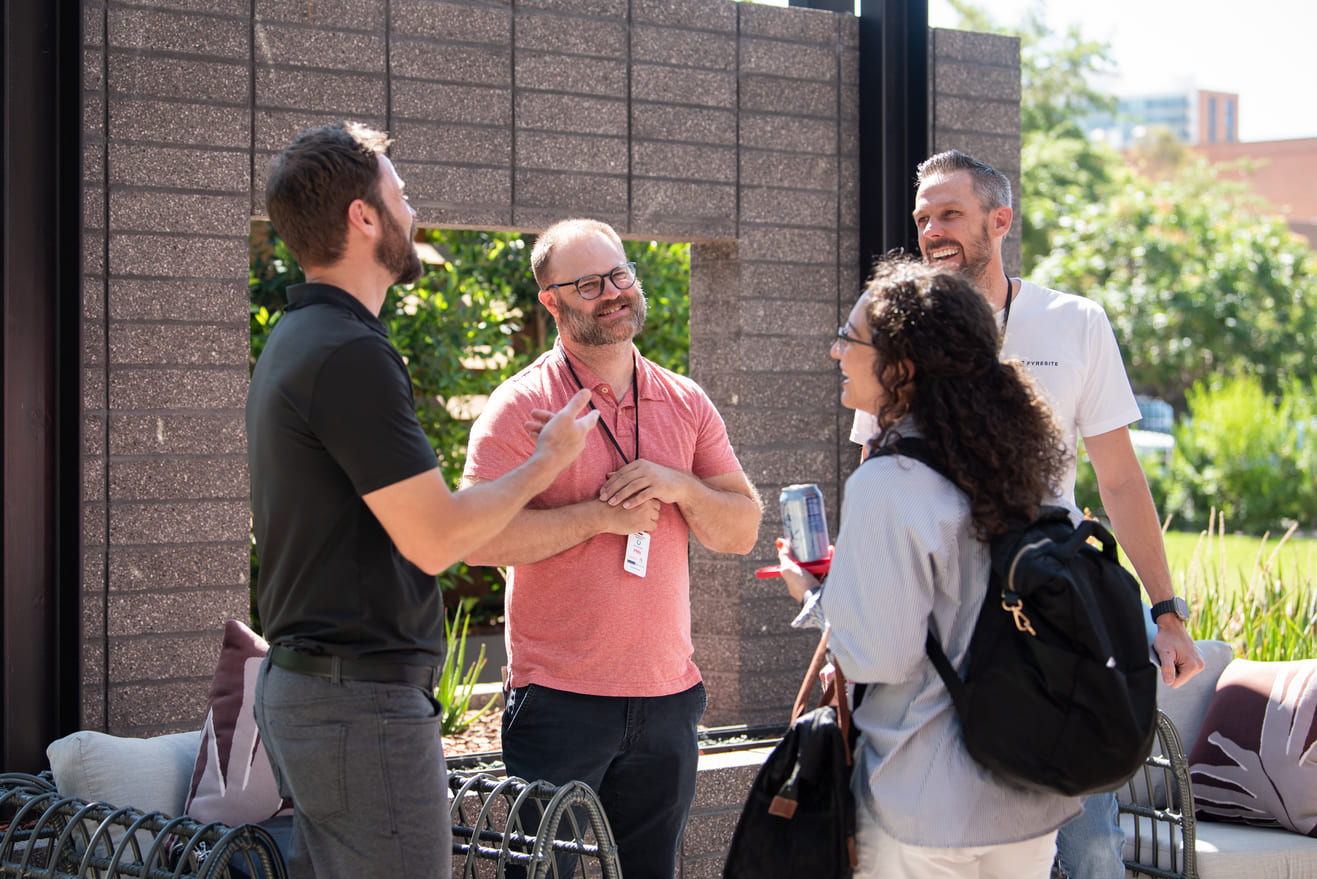
In Phoenix, ecosystem participation can be a real go-to-market strategy if you treat it like one. The goal is not to work a room and collect business cards. The goal is to show up repeatedly in high-signal spaces where trust builds, and where your future customers, partners, and hires already spend time.
Here are plays I’ve watched work for B2B startups Phoenix teams are scaling:
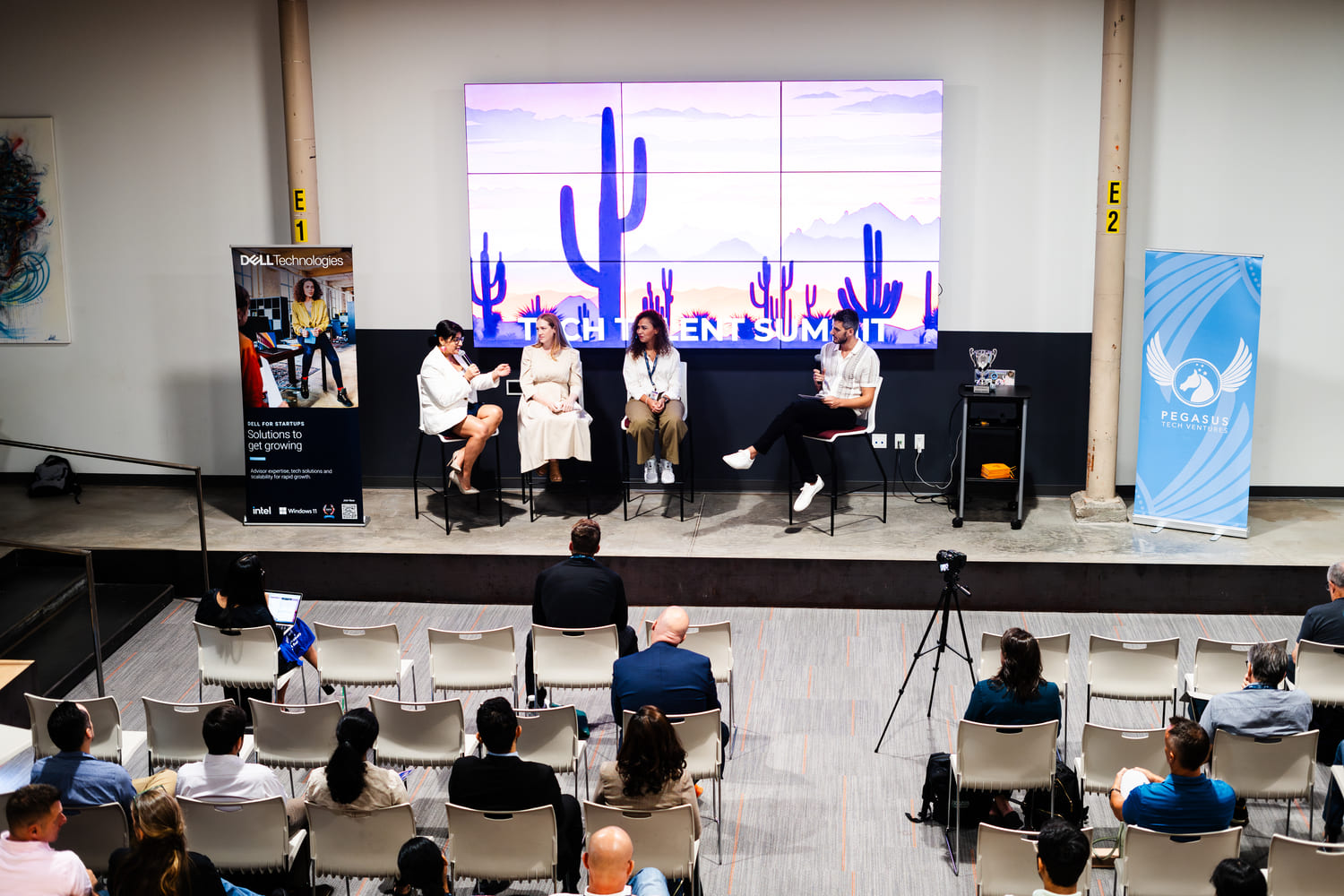
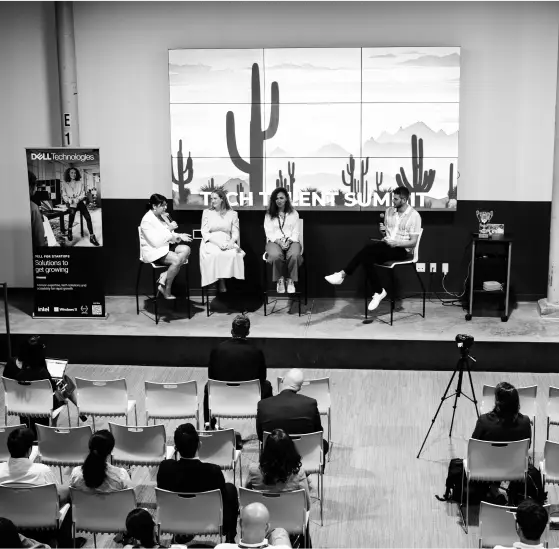
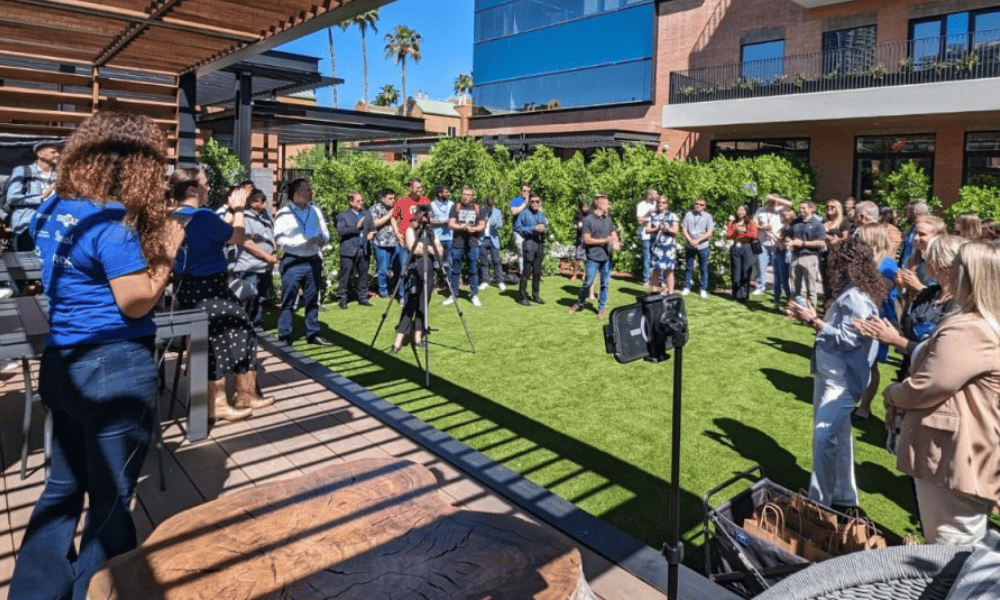
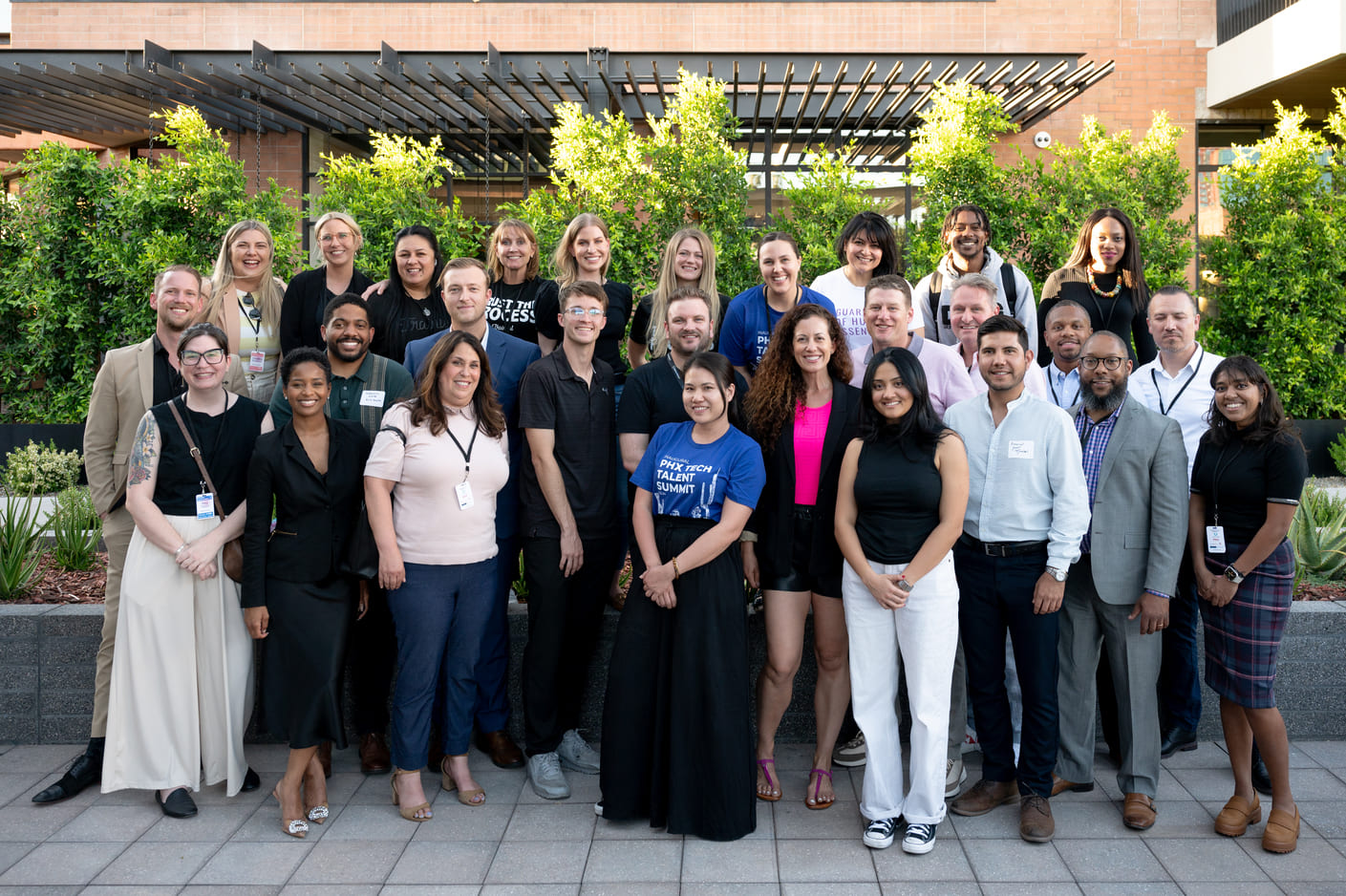
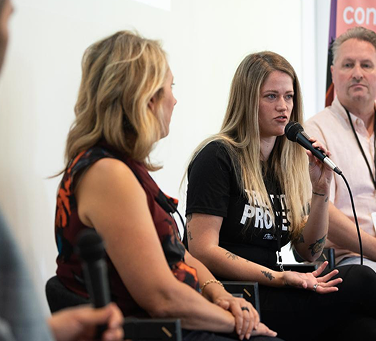
If you need a concentrated moment where Talent, Capital & Community collide, point your calendar at the Tech Talent Summit. It’s designed for practical outcomes like hiring conversations, partnerships, and real funding discussions, without the “wandering around a ballroom” vibe.
Arizona SaaS startups often compete well because the region is pragmatic. Teams build closer to real operations, which tends to produce products that are easier to implement, easier to adopt, and easier to renew. There’s also a cost structure advantage versus coastal markets, which buys you more learning cycles per dollar.
Here’s what I see working right now:
The constraint is real too: Phoenix is geographically spread out, so the market can feel fragmented if you rely on inbound alone. That’s why coordination and intentional infrastructure matter. If you want the bigger picture of how I think about ecosystem strategy, read my post here: Increasing Arizona’s Venture GDP.
You don’t need a perfect long-range plan to start moving in Phoenix. You need a tight cycle of high-signal actions that gets you closer to customers, talent, and capital. If you asked me what to do next, this is what I’d hand you.
This is the core Freeway belief: access is not broken in Phoenix, it’s just hard to see. When you pair a clear wedge with community infrastructure, you stop guessing and you start compounding.
What counts as Phoenix B2B SaaS in this context?
You’re in the bucket if you sell software primarily to businesses and the buyer cares about operations, compliance, efficiency, or revenue performance. That includes vertical SaaS and horizontal tools, as long as your go-to-market matches local buyer realities.
Are there enough enterprise customers in Phoenix to build a real pipeline?
Yes, but you’ll move faster if you pick an industry cluster, build warm pathways into decision-makers, and show up consistently. Relationship-driven distribution tends to outperform “spray and pray” inbound here.
What’s the most common mistake B2B startups Phoenix teams make?
Treating Phoenix like a small market you graduate from, instead of a place to earn customer proof and repeatable GTM. The other miss is relying on random events instead of investing in a Trusted Community where people learn your name over time.
How should Arizona SaaS startups think about funding if venture is not immediately available?
Build a capital stack that matches your business: customer revenue, strategic partnerships, angels, and non-dilutive options when they fit. The right funding supports your timeline and risk profile, not the loudest label.
What’s the fastest way to understand the Phoenix tech ecosystem?
Start with a map, then build consistency. The Freeway Dashboard helps you see companies, investors, and ecosystem infrastructure in one place, and the Tech Talent Summit is built to accelerate trust across Talent, Capital & Community.
Phoenix B2B SaaS grows faster when you treat the metro like what it is: a set of clusters you can navigate on purpose. Customers concentrate in practical, operations-heavy industries. Talent is here, especially when you make visibility and trust part of your strategy. Capital moves through warm channels, non-dilutive resources, and clear traction narratives.
If you want an on-ramp into Phoenix’s tech ecosystem, that’s why I built Freeway. Use the map, pick your wedge, and keep showing up with intention. Over time, you’ll find yourself exactly where talent meets capital and community.


































.png)


.png)

.png)



Where talent meets capital and community






























.png)