Build in public Phoenix is the most practical way I know to turn “we’re working on it” into real conversations with buyers, real interest from candidates, and a steady drumbeat of momentum. If you’re building in a relationship-driven market like Phoenix, people do not need a cinematic launch. They need to understand what you do, who it’s for, and whether you’re actually shipping. When they can see that, they lean in.
I’m writing this as the owner of Freeway, from inside the rooms where Talent, Capital & Community overlap. My job is basically to notice patterns. One pattern is consistent: founders who demo progress regularly get found faster. Customers remember them. Operators introduce them. Talent trusts them enough to take the call.
Phoenix has very real momentum, but the signal is still uneven. You can go to one great event, meet ten smart people, then wonder where everyone went the following week. That “findability gap” is frustrating, but it’s also a gift. If you’re willing to be clear and consistent, you become easy to place in someone’s mental map of the Phoenix tech ecosystem.
Downtown’s density is part of the story, and so is the broader spread across the Valley. The Phoenix Relocation Guide does a solid job describing how the startup scene has accelerated and why the region keeps pulling in builders at Phoenix startup scene: where innovation meets desert oasis. The short version is this: there’s enough activity to create opportunity, and not so much noise that you have to shout.
If you want a north star for how I think about Arizona’s ecosystem strategy, it’s simple: access is not broken here, it’s just hard to see.
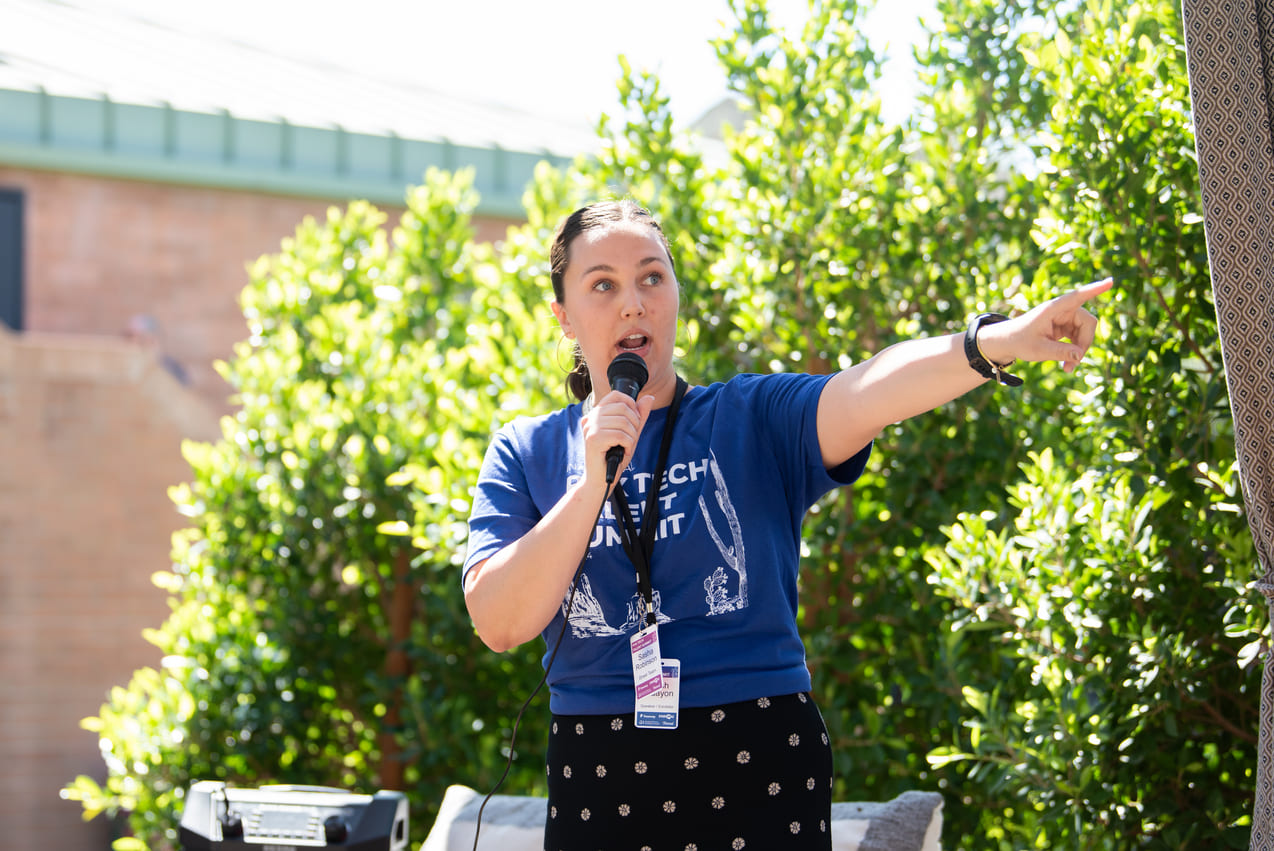
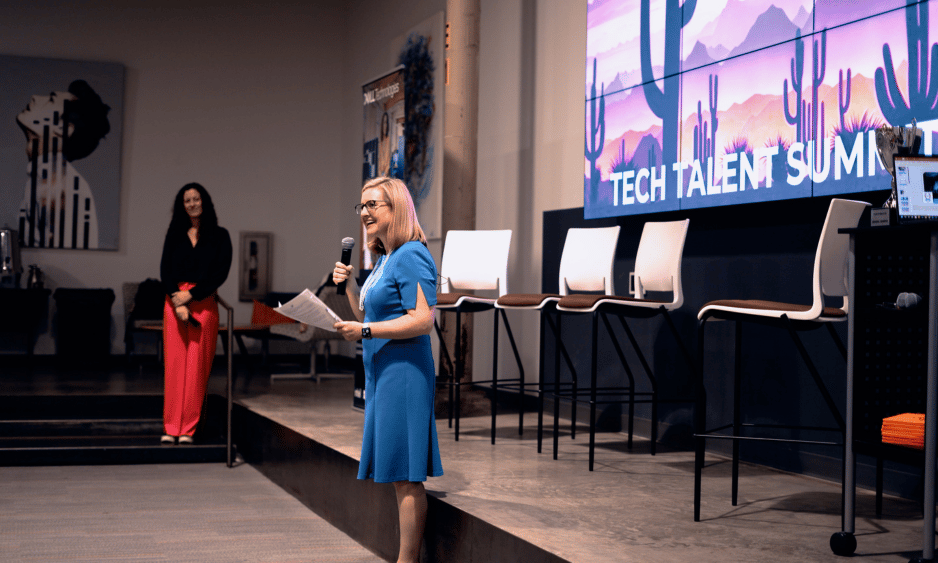
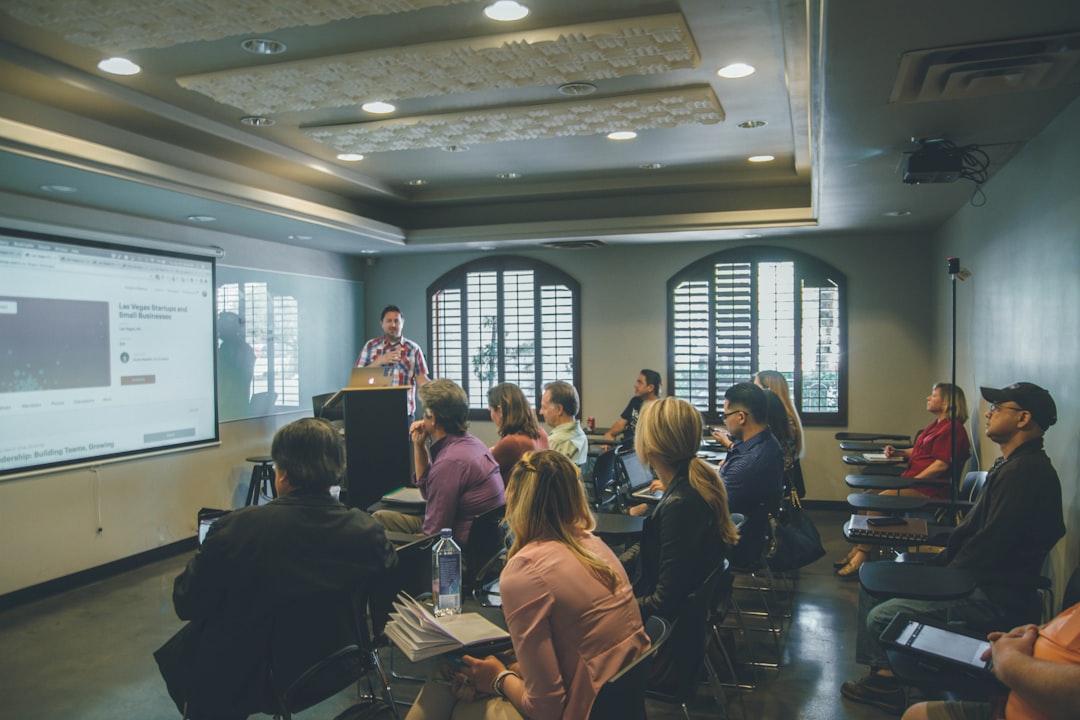
In Phoenix, demos beat decks more often than founders expect. This market is pragmatic. People want to see the workflow, understand the use case, and decide quickly whether they can buy it, pilot it, partner on it, or join you to build it.
Here’s the move I recommend: treat your demo as a hybrid of customer discovery and recruiting. You’re not performing. You’re making it easy for the room to answer three questions without doing extra work:
Keep the content tight:
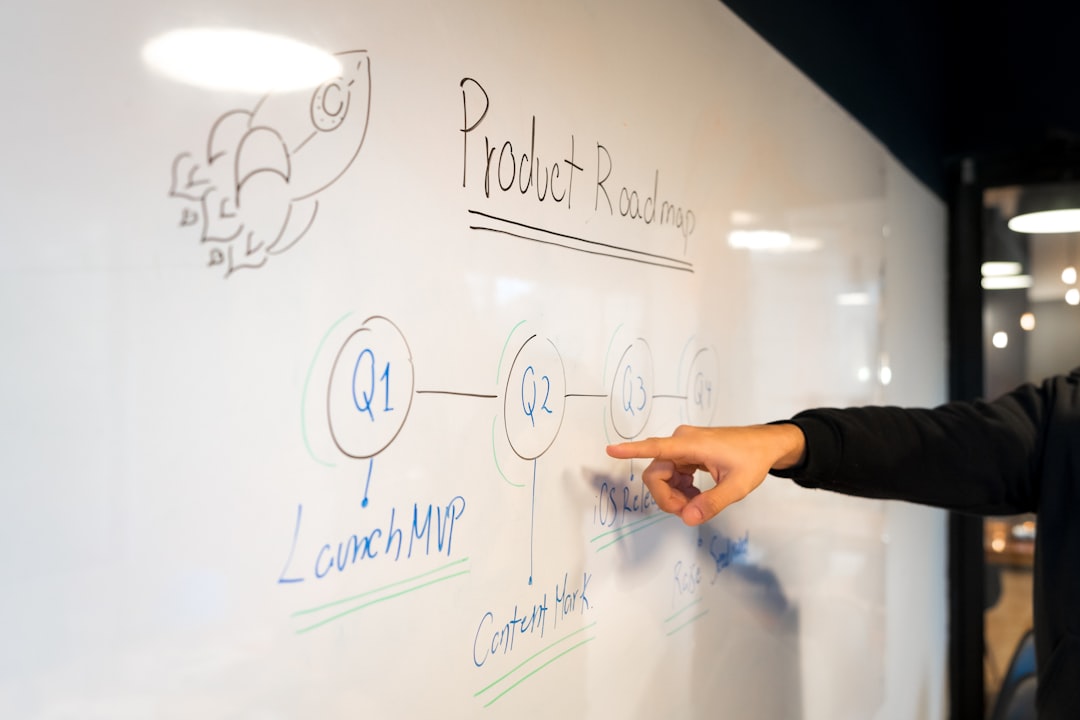
A lot of founders hear “build in public” and assume it means posting constantly. That’s not the point. The point is running a loop that creates a trail of proof. People should be able to meet you in June and still understand what changed since March.
If you want to be more intentional about which rooms to prioritize, and how to follow up without burning time, this pairs well with our Freeway guide on Phoenix networking events: network fast, not frantic. Same philosophy: repeated connection beats random networking.
Founder visibility Arizona is not about being famous. It’s about being recognizable to the people who can change your next quarter: buyers, operators, engineers, and partners.
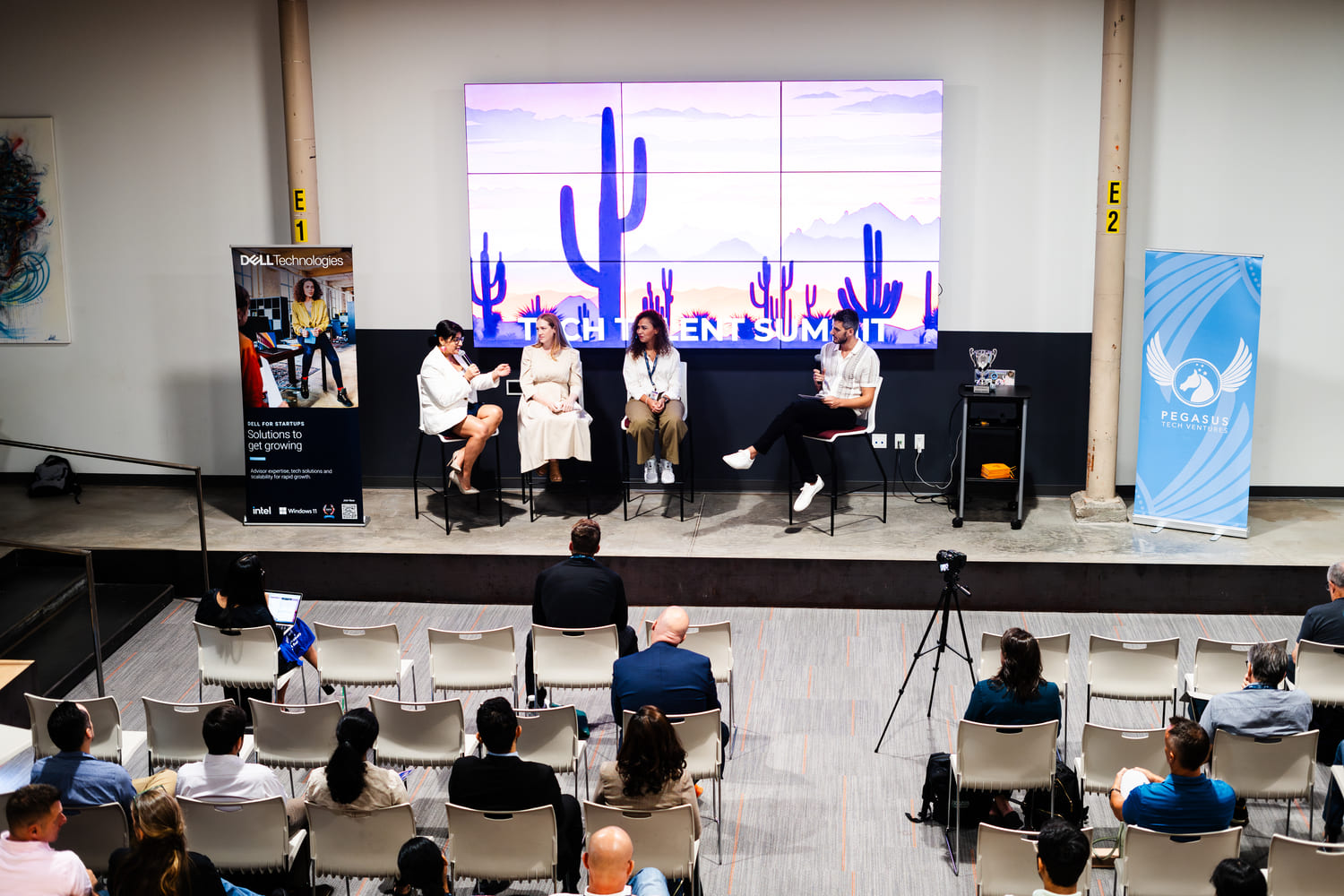
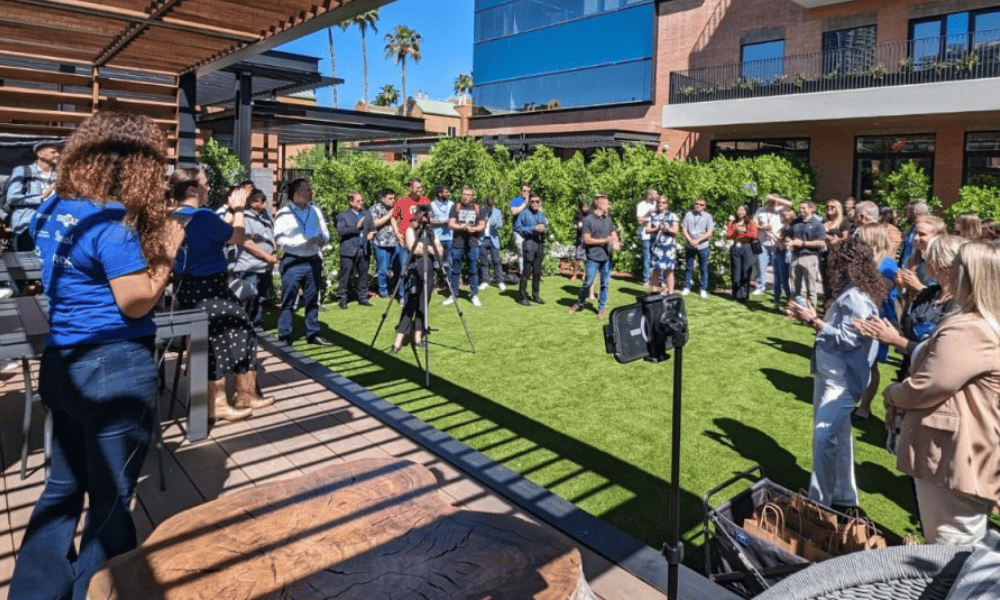
In Phoenix, your conversion moments usually come from a handful of high-trust settings: a demo day, a community program, a well-run roundtable, a strong referral chain. Visible’s overview of the local funding landscape highlights some of the real collision points between founders, capital, and community at top VCs in Phoenix. Even if you are not fundraising, the point still stands. These are rooms where people compare notes, and that’s where your consistency pays off.
Right after a high-visibility moment, do this while it’s still fresh:
You don’t need to manufacture a personal brand. You need to be legible. That can look like a short build log, a demo clip, a candid note about what didn’t work, or a clean screenshot of a workflow that finally clicked.
Here are three lanes that make startup community marketing feel grounded instead of performative:
This is also where Freeway tends to be most useful. We’re not here to add another calendar. We’re building an on-ramp into Phoenix’s tech ecosystem by designing a Trusted Community around repeated, high-signal connection. If you want a clean starting point, begin with Freeway and plug into the rooms that match your stage and your ICP.
A demo only “works” if it leads to an action someone can take, and ideally share. In Phoenix, referrals do a lot of the heavy lifting, so give people a line they can repeat when you’re not in the room.
Use this structure for your next live demo, whether it’s at an event, a coworking lunch-and-learn, or a small customer roundtable:
Then follow up like an operator. One message is enough if it’s thoughtful: what you heard, what you propose, and the next step. If you’re at the point where good leads are slipping because you cannot coordinate it all, that’s a real signal. We wrote about that transition and what to watch for in Startup Chief of Staff Phoenix: when to make the hire.
Hiring through visibility is mostly timing plus clarity. When people watch you ship, they pre-qualify themselves. They learn how you communicate, how you prioritize, and whether the work is real. So when you finally say, “We’re hiring,” it doesn’t feel random. It feels like an invitation into a moving train.
To make that work, your public narrative needs three pieces:
When you’re ready to share roles with the community, pair the job post with something human: a demo clip, a build log, or a short “here’s what we shipped this week” note. And yes, make it easy for talent to find you. For people actively exploring Phoenix startup and tech roles, our ecosystem job board is a solid starting point at jobs.phxfwd.org.
You might hear that Phoenix doesn’t feel as dense as Austin or Denver. There’s truth in it. The Valley is geographically spread out, and the signal can feel quieter if you don’t know where to look.
But here’s the upside: in a market where fewer founders demo consistently, your effort goes further. You don’t have to be everywhere. You just have to be reliably present in the rooms and channels that match your customers and the talent you want to attract. Consistency is memorable here.
What does “build in public” mean for a Phoenix startup?
You share progress consistently with the local ecosystem: demos, learnings, milestones, and clear asks. The goal is to make your work easy to understand so customers, candidates, and partners can engage at the right time.
How often should you do startup demos Phoenix teams can sustain?
Aim for one meaningful demo touchpoint per month, plus a weekly build log update. You’re building a rhythm, not chasing a one-time spike.
Where should you focus for founder visibility Arizona if you’re early-stage?
Start with rooms that match your ICP and hiring needs, then return consistently. If your buyers are in healthcare, logistics, real estate, or public sector, prioritize communities where those operators already show up and bring a demo in their language.
How do you avoid sounding salesy when you build in public?
Lead with what changed, what you learned, and who it helps. End with one specific ask. If you’re shipping real improvements and sharing honest lessons, you’ll come across as credible, not pushy.
What’s the fastest way to convert a demo into a customer?
Offer a small, defined pilot with a clear outcome and timeline, then follow up within 24 hours with one next step. Make the “yes” concrete.
Phoenix doesn’t have a shortage of talent or ambition. It has a visibility gap, and that’s exactly why build in public Phoenix works here. When you run a simple loop of shipping, demoing, documenting, and inviting, you turn your product into a story the ecosystem can track and share.
If you want a clearer on-ramp and more high-signal ways to stay connected across Talent, Capital & Community, plug into Freeway and keep showing your work. That’s how demos turn into customers and hires, and it’s how you build momentum that compounds in public, where talent meets capital and community.































.png)


.png)
.png)



Where talent meets capital and community



























.png)