
Phoenix coworking for startups is worth paying for when it gives you more than Wi-Fi, cold brew, and a chair that does not wreck your back. You are choosing proximity. Proximity to the people who can pressure-test your product, point you to a customer, or tell you the truth about a hire before you make an expensive mistake.
I founded Freeway because I kept watching smart founders hit the same wall in the Phoenix startup ecosystem. Not because access is “broken,” but because it’s scattered. If you don’t know the right rooms, it’s easy to assume they don’t exist. Coworking can become a line item you resent, or it can be part of your on-ramp into Phoenix’s tech ecosystem. The difference is whether the community actually compounds.
Below is the practical version. What to look for, how to show up without doing the awkward “networking voice,” and how to think about coworking alongside founder communities, programs, and the ecosystem infrastructure that already exists. And yes, I’ll touch on kiln coworking phoenix because you will probably compare it to other options at some point.
Most early-stage teams do not fail because they are lazy. They stall because something stays fuzzy for too long. Distribution is unclear. Hiring takes forever. The product is close, but not sharp. Or the capital story is not landing.
A good coworking space does something simple: it shortens the time between “I’m stuck” and “here’s a high-signal answer.” That only happens when you build enough trust that people stop giving you polite feedback and start giving you useful feedback.
Compounding looks like this in real life:
That is the flywheel behind startup community coworking. Not loud. Not performative. Just consistent.
At Freeway, we design around one framework because it matches how the Phoenix startup ecosystem actually moves: Talent, Capital & Community. The best coworking setup puts you close to all three, not just other founders heads-down on laptops.
Some coworking spaces in Phoenix are built for deep-focus freelancers. Others are built for established teams that want amenities and a clean vibe. If you are building a company, you need a space that supports founder momentum, which usually comes down to three things: repeated connection, useful collisions, and fast context.
If a space is working, you do not leave on a random Tuesday thinking “Nice conversations.” You leave with something concrete: a customer lead, a candidate to interview, a partner path to explore, or a decision that finally got clearer.
I hear founders bring up kiln coworking phoenix for a reason. It’s visible, it’s polished, and it can be a great environment if you need a professional place for customer meetings or you are trying to create a steady work rhythm for a small team.
Still, the question I would push you to ask is not “Is it nice?” It’s “Will I actually build relationships here that deepen over time?” Any premium space can become an expensive backdrop for solo work if you float in once in a while and never attach yourself to a cadence.
If you choose a space like that, treat it like an operating system:
Consistency is what turns “We should grab coffee” into “Send me that doc, I’ll introduce you to two people.”
Coworking gives you proximity. A founder community gives you trust and accountability. They are related, but they are not interchangeable.
If you want the cleanest breakdown, read Phoenix startup meetups vs communities: what you need. The short version is that meetups help you discover people, and communities help you build with people.
Here is how I’d decide what you need this quarter:
You do not need a pitch. You need a practice.
The founders who get the most out of coworking in Phoenix usually do three small things consistently. None of them feel salesy, and all of them make it easier for people to help you.
Mentors can be part of this too, but you will get better outcomes when you ask well. I wrote Startup Mentors Phoenix: where to find and ask well because vague asks waste everyone’s time. Inside coworking, you get the advantage of repeated proximity. Use it to build a relationship, not a transaction.
Most people treat coworking like a real estate decision. I want you to treat it like an ecosystem decision.
When you are serious about building in Phoenix, your environment should help you connect three lanes:
This is also why visibility matters. When the ecosystem is spread out, you need a map. Use the Freeway Dashboard to get a clearer view of companies, investors, programs, and opportunities across the Phoenix tech ecosystem. Coworking gives you local proximity. The dashboard helps you see what’s happening beyond your immediate circle.
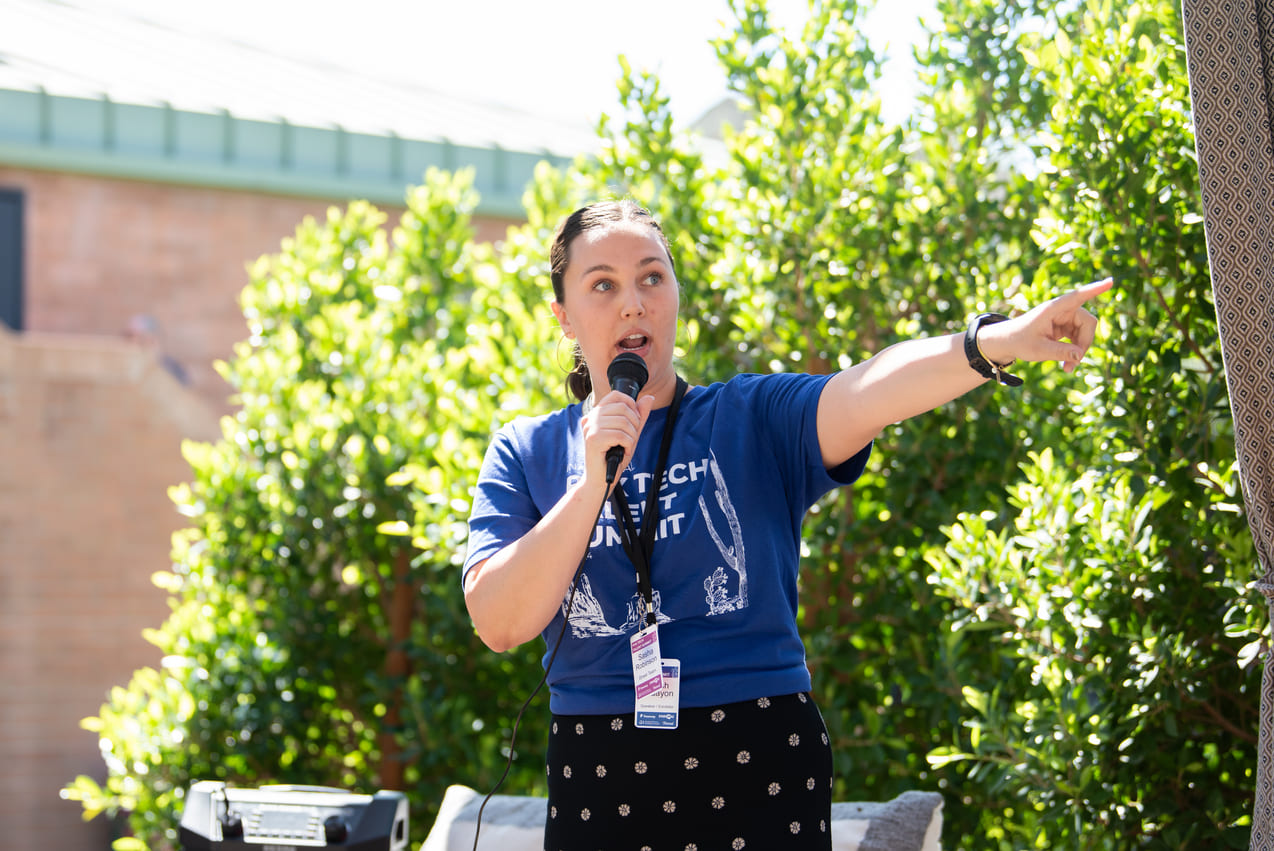
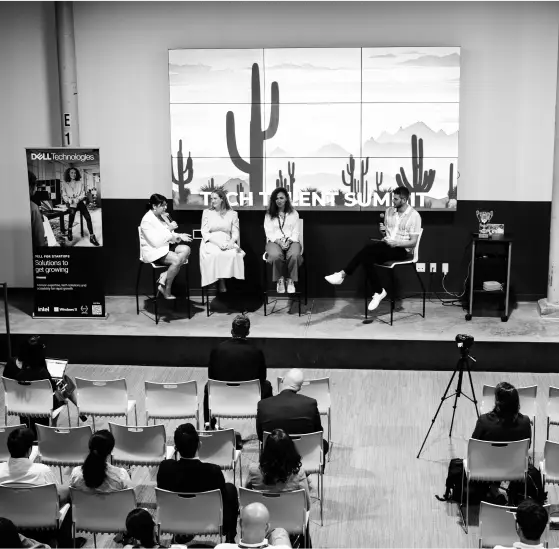
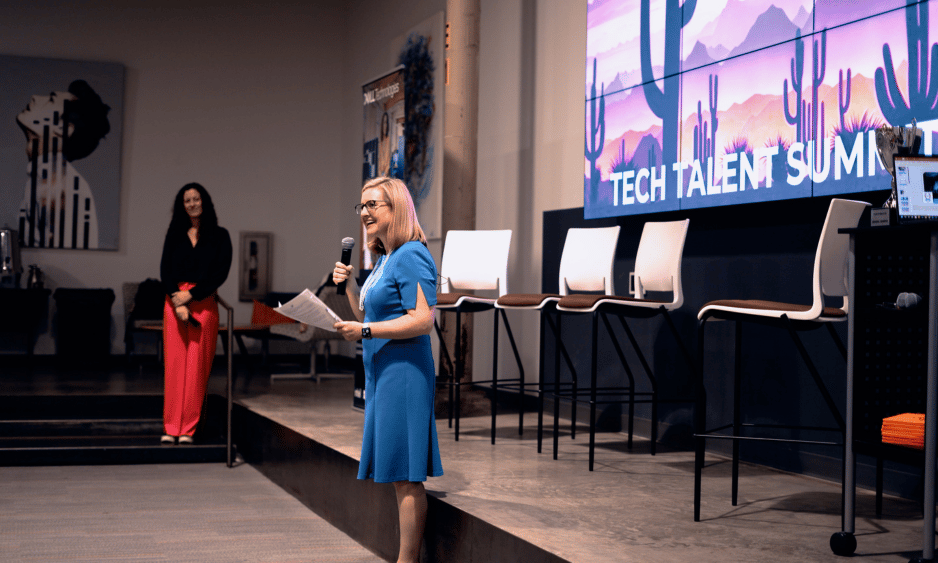
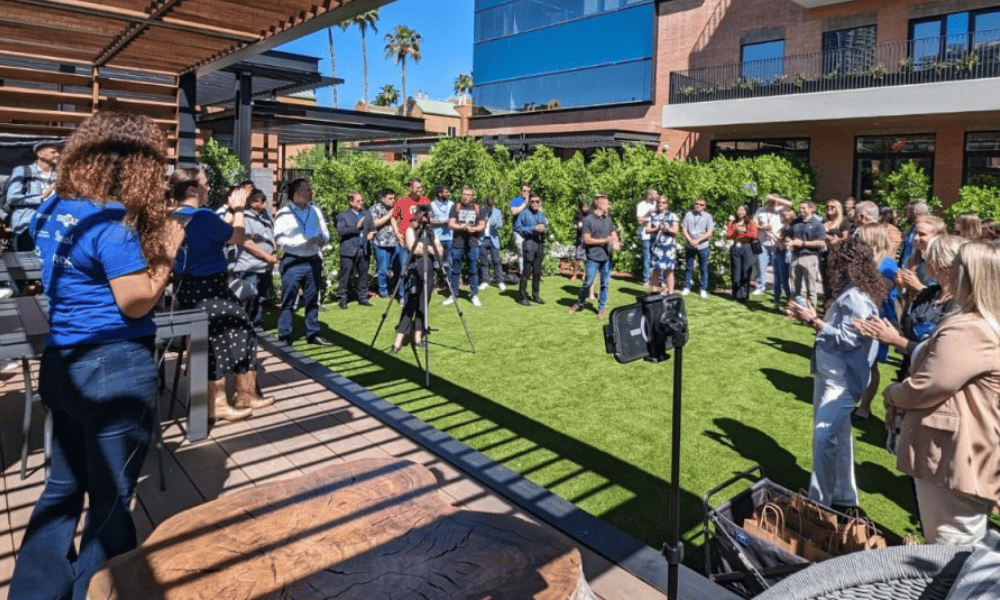
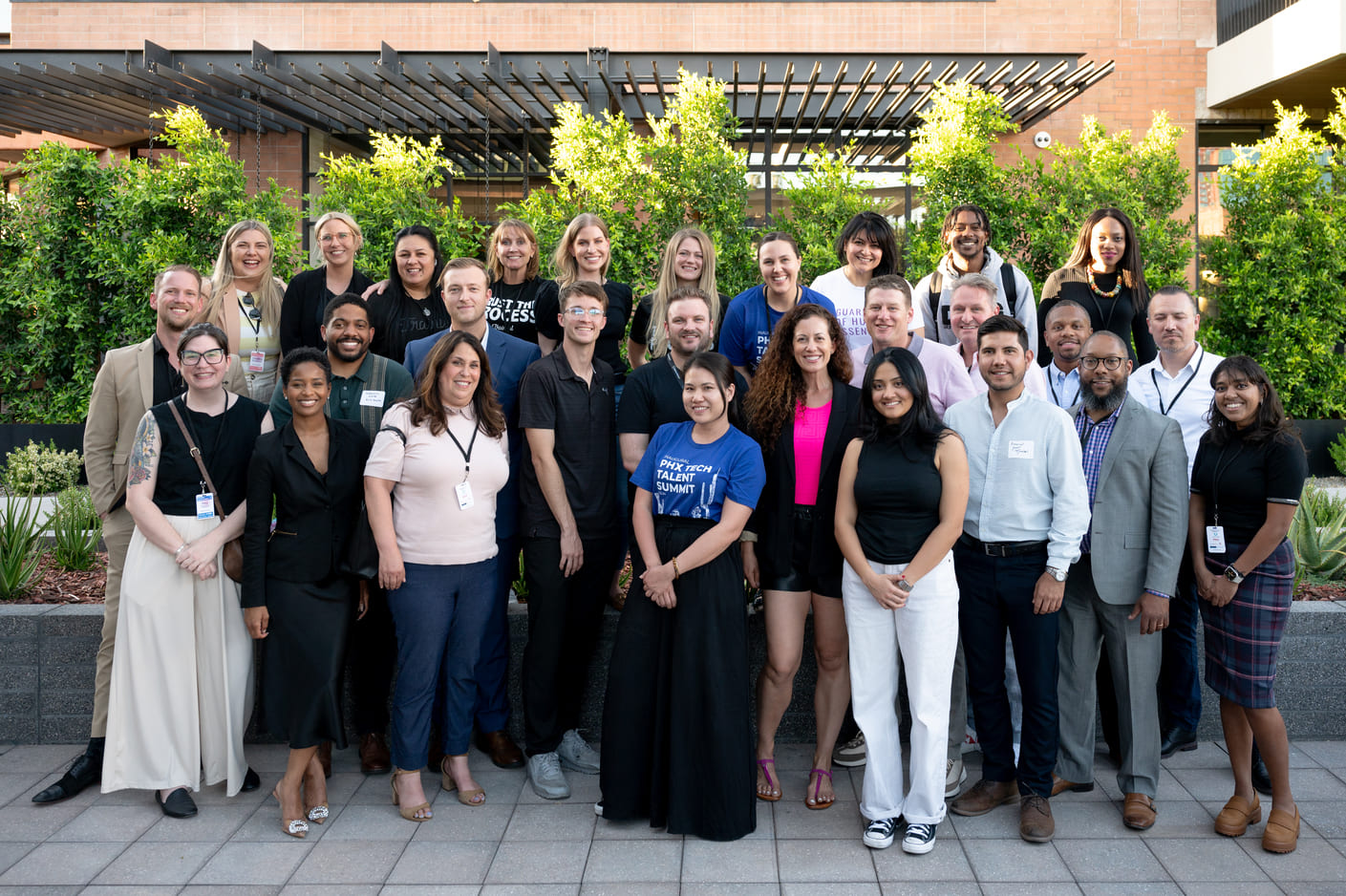
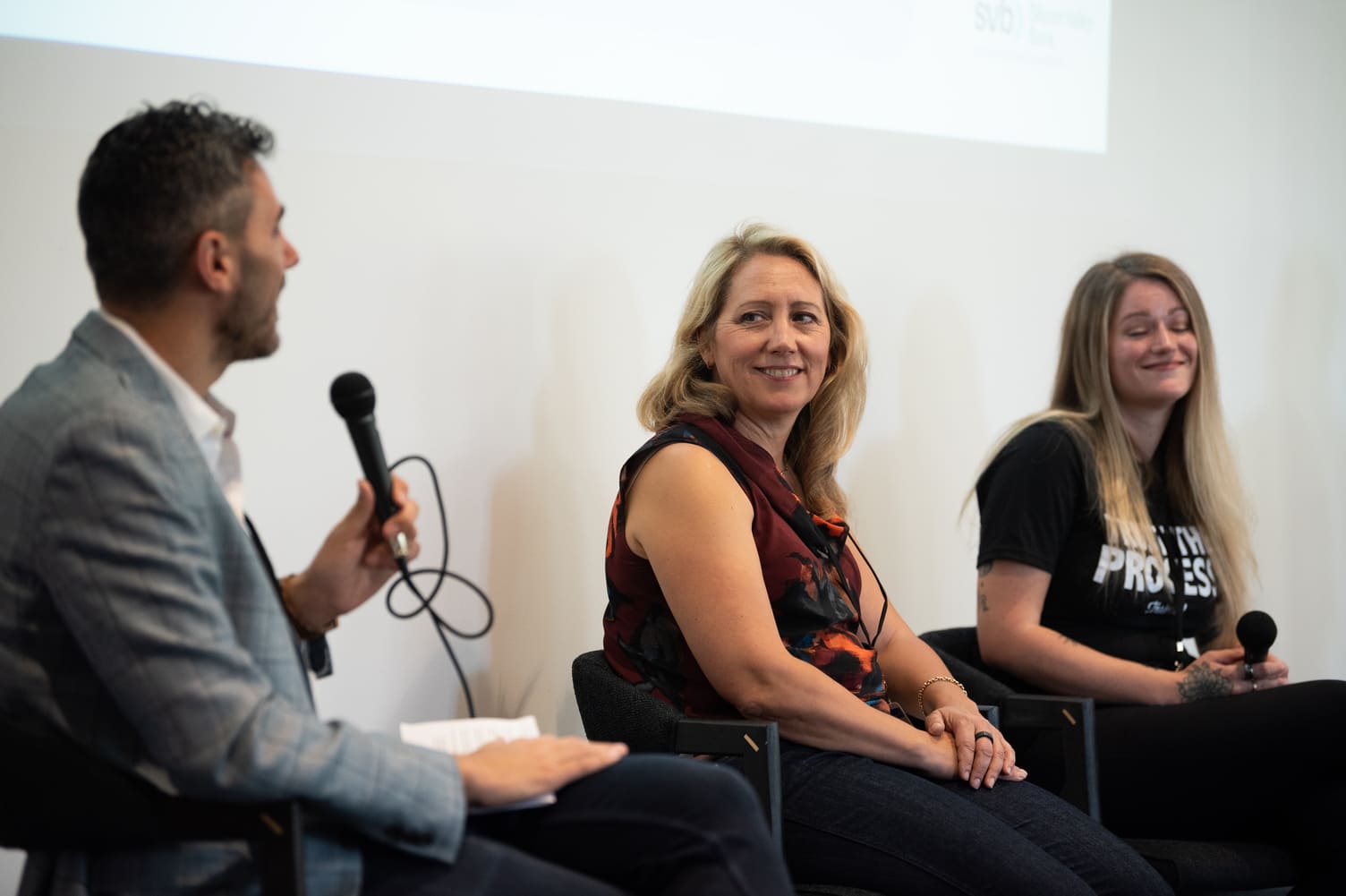
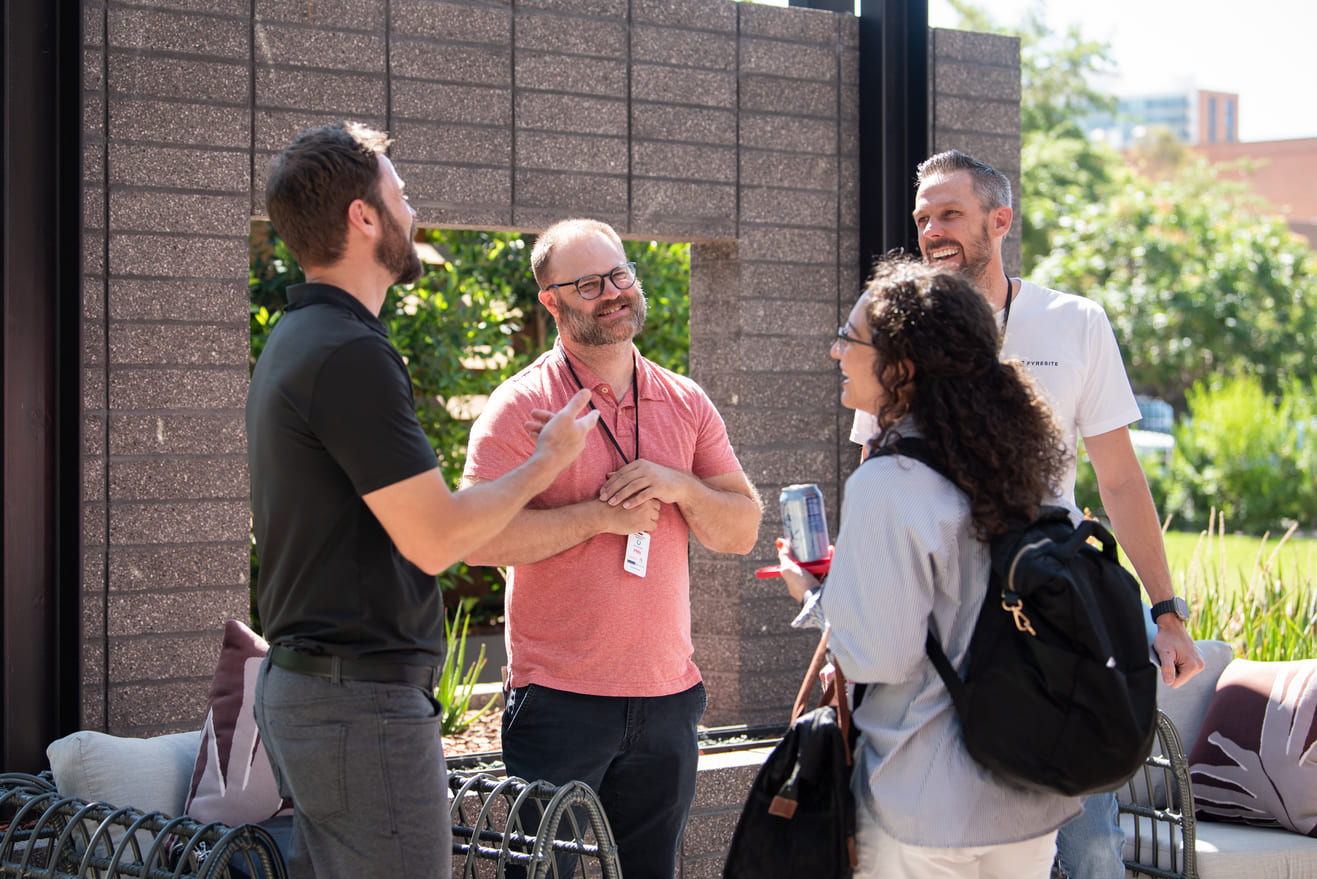
And when you want higher-signal rooms that bring those lanes together, choose convenings designed for outcomes. Our Tech Talent Summit is built around practical connection, not random networking. It’s one of the cleanest examples of Where talent meets capital and community in real life.
If you care about the bigger picture of why this infrastructure matters, I’ve shared more of the strategy behind it in Increasing Arizona’s venture GDP. The throughline is simple: coordination and repeated connection beat scattered effort.
If you are touring spaces, deciding whether to upgrade from home, or debating a team membership, keep yourself honest with a quick checklist. This keeps you focused on compounding value, not just perks.
If the answer is “no” across most of that list, you might be better off going lighter on workspace and investing the difference into curated rooms, customer travel, or a community membership that matches your current constraint.
Is Phoenix coworking for startups worth it if you’re pre-revenue?
Yes, if it speeds up learning loops. If coworking helps you get more customer conversations, clearer feedback, or a key early hire, it can absolutely be worth it before revenue. If it turns into a comfortable routine that replaces outreach, it will quietly slow you down.
How should you compare kiln coworking phoenix to other options?
Compare based on your constraint. If you need a polished environment for customers and a consistent work rhythm, a premium space can be a great fit. If you need dense founder-to-founder problem solving, prioritize spaces and communities with recurring rooms and rituals where relationships deepen.
What’s the difference between coworking spaces Phoenix founders like and founder communities?
Coworking is infrastructure for proximity. A founder community is infrastructure for trust and accountability. The best outcomes usually come when you use coworking for day-to-day momentum and a Trusted Community for depth, feedback, and long-term relationships.
How do you build a real startup community coworking flywheel?
Pick a weekly cadence, become a familiar face, make small specific asks, and follow through quickly. Compounding happens when people can predict you will show up and execute.
What should you do first if you’re new to Phoenix?
Start by mapping the ecosystem, then choose two or three rooms to attend consistently for 60 days. Phoenix rewards steady participation more than big arrival moments.
Phoenix coworking for startups can be a catalyst, but only if you treat it like more than a lease. Your goal is not to collect business cards. Your goal is to build a set of repeated rooms where community compounds into hires, customers, mentors, and real collaboration.
If you want a clearer on-ramp into Phoenix’s tech ecosystem, start with visibility and then commit to consistency. Use the Freeway Dashboard to see what’s happening, show up to high-signal rooms, and keep investing in relationships that get stronger with time.







































.png)


.png)
.png)



Where talent meets capital and community






























.png)