Phoenix startup ecosystem glossary: if you are new to the Phoenix startup ecosystem, that phrase alone tells you something important. People here move quickly, talk in shorthand, and often assume you already know which program, Slack group, or coffee meetup they mean.
I’m Daniela, and I run Freeway. When I’m talking with founders, operators, investors, and civic partners, I see the same pattern: access in Phoenix is not “broken,” it is just hard to see until you learn the language and find a couple of rooms you can return to.
This is your plain-English guide to the terms, organizations, and dynamics you will hear across the Arizona tech community. My goal is simple: help you stop wasting weeks on low-signal networking and start making the kinds of connections that actually turn into hires, customers, capital, and partnerships.
These are the phrases that pop up in founder chats, hiring conversations, and investor updates. If you understand these, you can follow the thread in almost any room in town.
If you want the strategic “why” behind this, I laid out how I think about building ecosystem infrastructure in Arizona in this post on LinkedIn: Increasing Arizona’s venture GDP.
In Phoenix, people will name-drop organizations like they are single doors. They are not. Most are relationship hubs with multiple programs, event series, and different “entry points” depending on what you need.
How it works in real life: very few of these are “apply once and you’re in.” The value compounds when you show up more than once and you can state your goal in one sentence. Hiring. Customer discovery. Fundraising. Partnerships. Pick one.
Funding talk in Phoenix can sound like coastal venture, but the pace and the mechanics often differ. You will see more relationship-based investing, more strategic checks, and more patient timelines depending on the sector.
One thing I tell founders: the meeting is not the hard part. The follow-up is where momentum is made. If you want a simple system, use Mastering the Investor Follow Up as your template.
Hiring in the Phoenix tech ecosystem is rarely “post a job, get the perfect match.” It is visibility plus trust. If you are hiring, you need to be legible. If you are looking, you need to be findable and specific.
How it actually works: Phoenix rewards clarity. If you are a founder, your best lever is a crisp role definition and transparency about stage, constraints, and upside. If you are an operator, your best lever is showing you can execute with imperfect information and still build trust quickly.
If you are trying to find startup resources Phoenix builders truly rely on, I’d put them into three buckets. You can copy this structure whether you are fundraising, hiring, or trying to land your first customers in-market.
For discovery, start with the Freeway Dashboard, then use it to decide which communities, programs, and partners match your stage. If you want broader context on how ecosystems function and what tends to create durable startup growth, the Kauffman Foundation’s research is a solid reference point. You can explore it at kauffman.org.
You are going to meet a lot of phoenix startup organizations, from accelerators and university programs to coworking communities and civic partners. The common mistake is treating these groups like vending machines where you drop in a pitch and get an outcome back.
Instead, treat them like relationship platforms. Your job is to make it easy for someone to help you without doing homework on your behalf.
If you do this well, your reputation compounds. People start opening doors because they know how you operate.
Phoenix is not one scene. You have SaaS, climate, manufacturing, bioscience, education, and a lot of hybrid teams. Still, there are patterns that show up again and again.
If you are new, your quickest win is to stop trying to meet everyone. Get anchored in a Trusted Community where people can learn how you think and how you deliver.
Is the Phoenix startup ecosystem mostly for founders, or is there space for operators and talent?
There is a lot of space for operators and talent. In fact, many teams are hunting for people who can execute, not just ideate. If you are making a move, get clear on the stage you want, then show up in the rooms where those teams already spend time.
What is the fastest way to find startup resources Phoenix teams actually use?
Start with a map so you are not guessing, then commit to one or two repeated communities. Visibility plus repetition is what turns information into opportunity.
How do you figure out which Phoenix startup organizations are worth your time?
Ask about outcomes. Do people hire, ship product, raise capital, or form partnerships because of that room? If it is all activity with no stories of progress, treat it as optional.
Do you need to live in Tempe or downtown Phoenix to be part of the Arizona tech community?
No. The metro is spread out. What matters more than zip code is whether you’re showing up in the right rooms for your stage and goals, consistently.
Where should you start if you want an on-ramp into Phoenix’s tech ecosystem?
Start with a clear goal and an honest inventory of what you need next: talent, capital, customers, or partners. Then use a reliable ecosystem map and a trusted convening to get oriented. If you want help making that path easier to see, Freeway is built to be that on-ramp by connecting Talent, Capital & Community in a way you can actually navigate.
The Phoenix startup ecosystem is not hard because it is closed off. It is hard because it is spread out, and the vocabulary is uneven. Once you learn the local terms and you understand how organizations function as relationship platforms, you can move with a lot more confidence.
If you want your next step to be practical, not theoretical, start by exploring the Freeway Dashboard to map what is around you. Then pick a couple of high-signal rooms and commit to showing up. That is where talent meets capital and community, and where momentum starts to compound.





























.png)


.png)
.png)
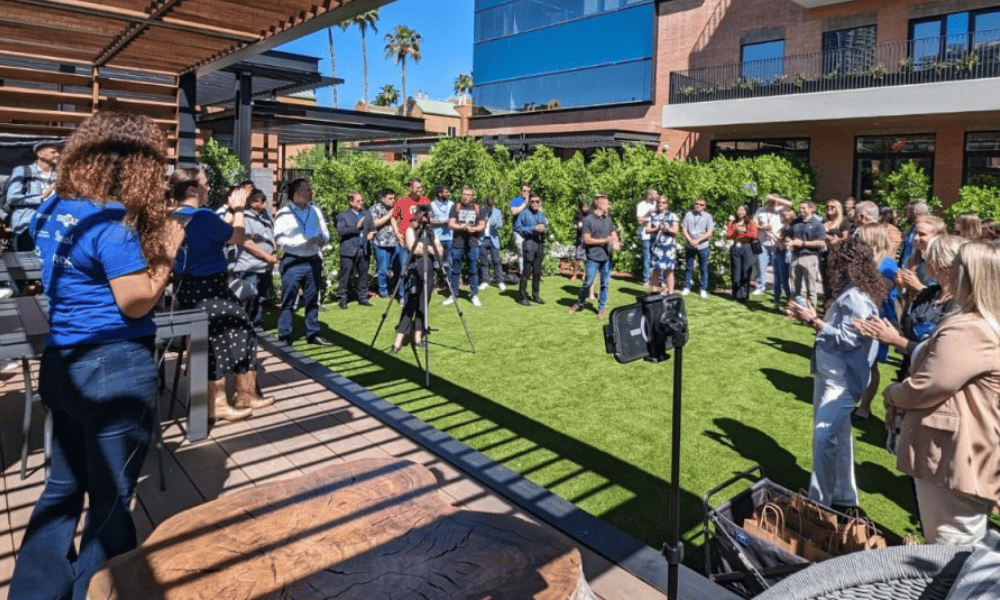



Where talent meets capital and community






















.png)