If you’re considering becoming a startup pavilion sponsor, I want you to know what you’re really stepping into. You’re not paying for a logo and a handshake. You’re helping fund a room that makes the Phoenix startup ecosystem easier to navigate, with enough structure that conversations turn into real next steps.
I’m the founder of Freeway. I’ve watched Phoenix grow into a very real tech market, while still being oddly hard to “see” if you’re not already in the right circles. That’s why I’m opinionated about pavilion sponsorship. When it’s done well, it functions like infrastructure. It gives founders, operators, talent, and partners a shared on-ramp, not another random networking moment.
Below is the guide I’d want you to have if you’re weighing a startup showcase sponsorship during Arizona Tech Week, or if you’re one of the phoenix tech event partners trying to show up in a way people actually remember. I’ll walk you through what you’re funding, what you can reasonably expect back, and what founders quietly hope you’ll do after the event ends.
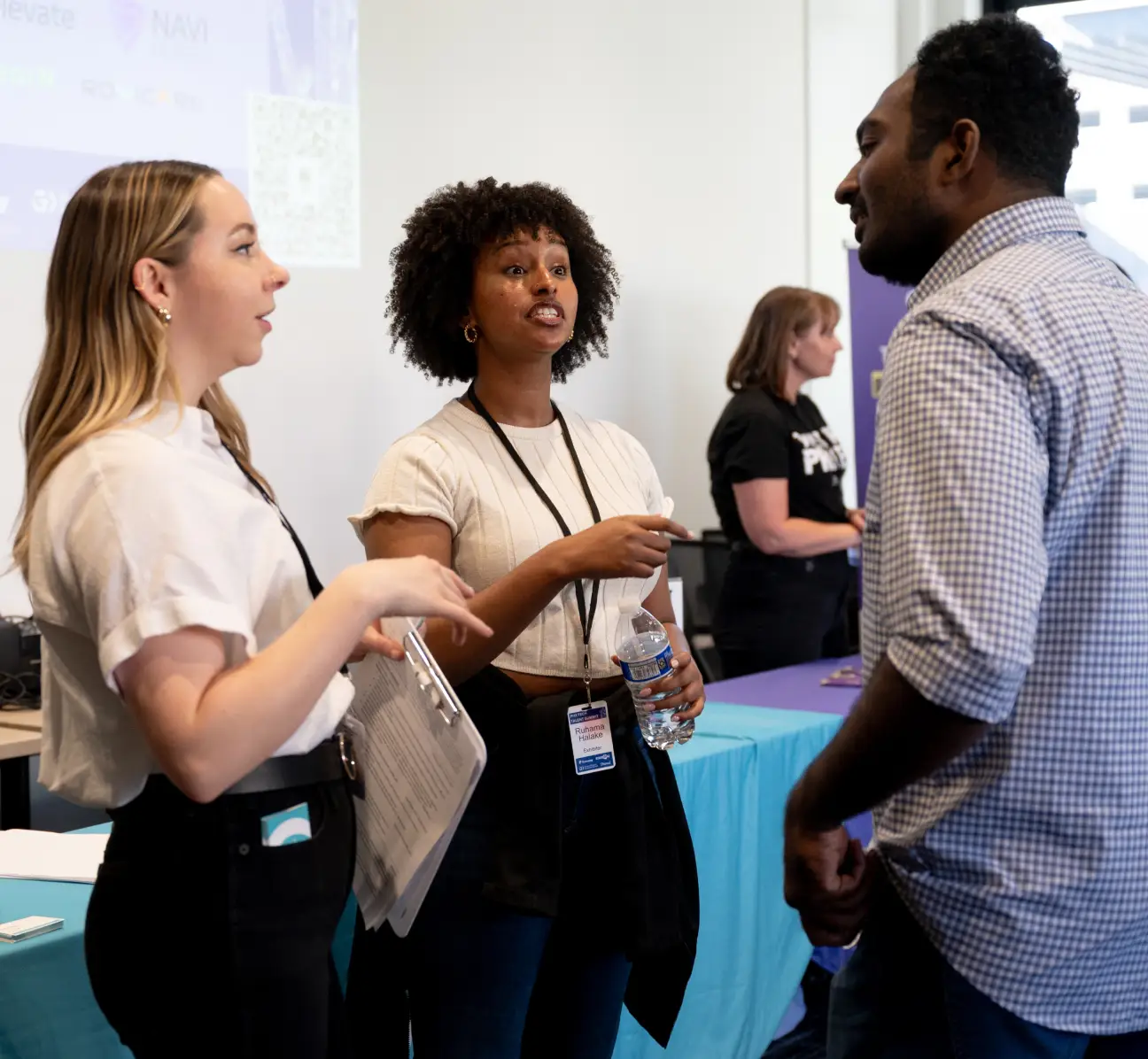
A Startup Pavilion is the part of an event where startups have a clear home base. Not a corner table with a stack of stickers. A real, intentional space where people can find them, understand what they do quickly, and have a conversation that goes somewhere.
When you sponsor a pavilion, your dollars typically support things founders cannot justify on scarce runway, but that make the whole experience higher signal for everyone:
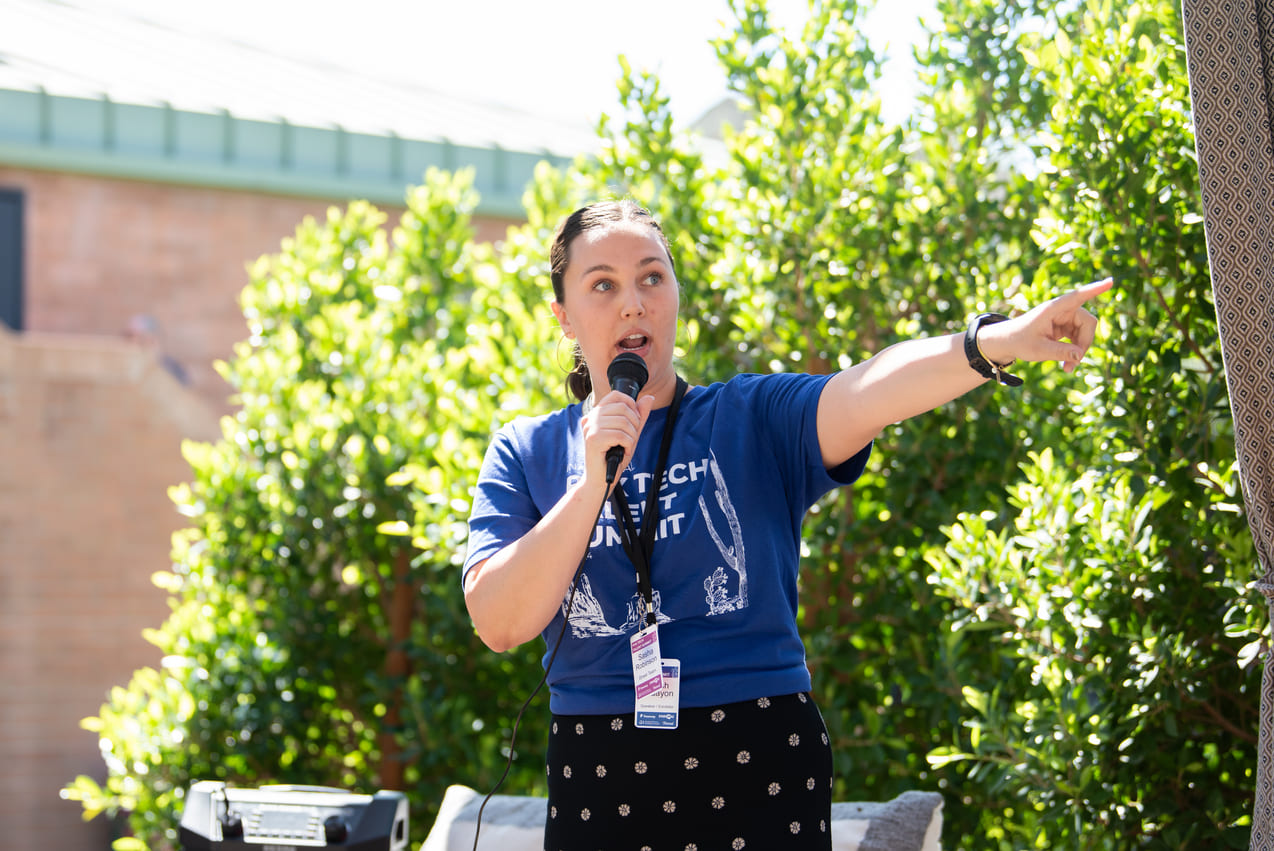
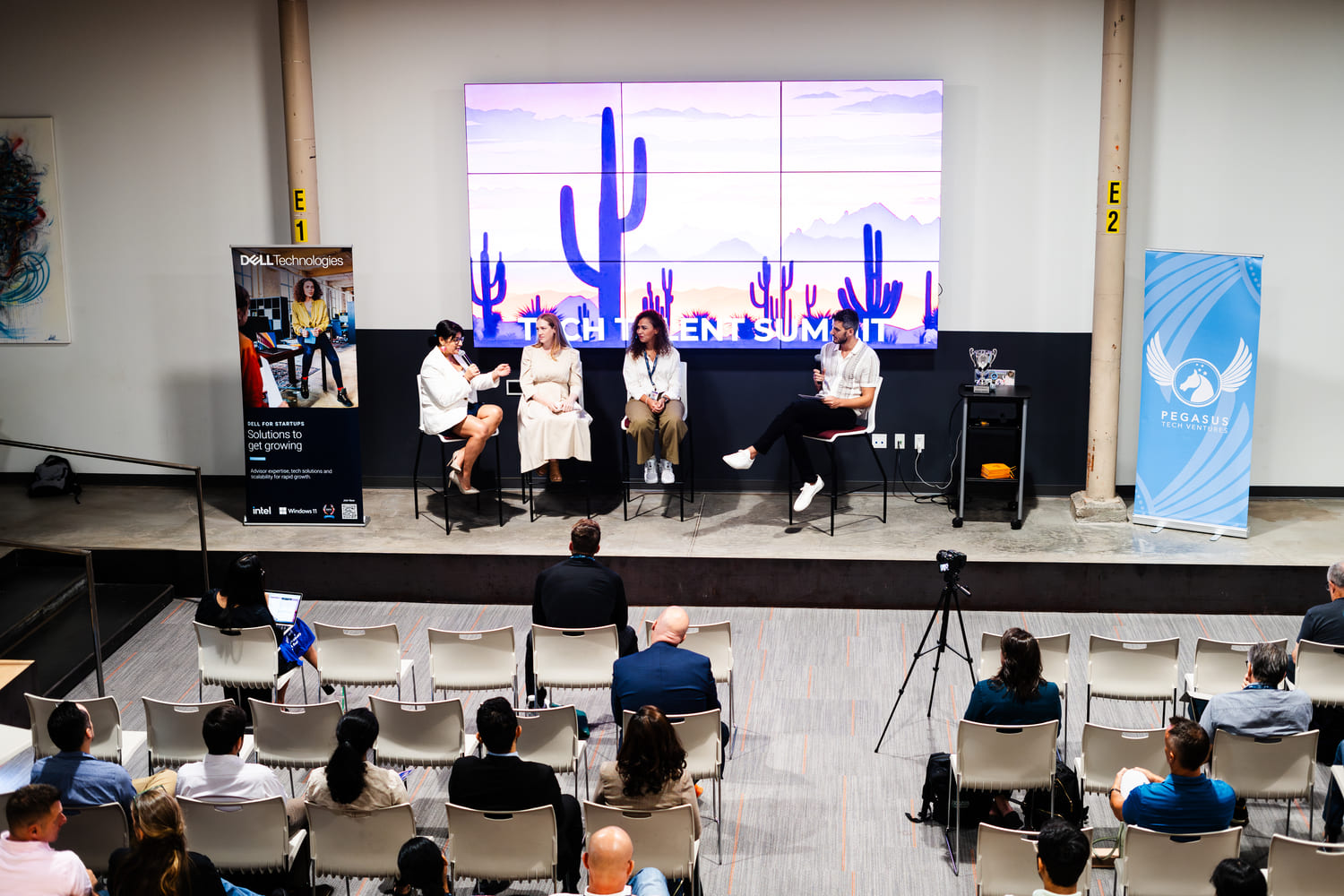
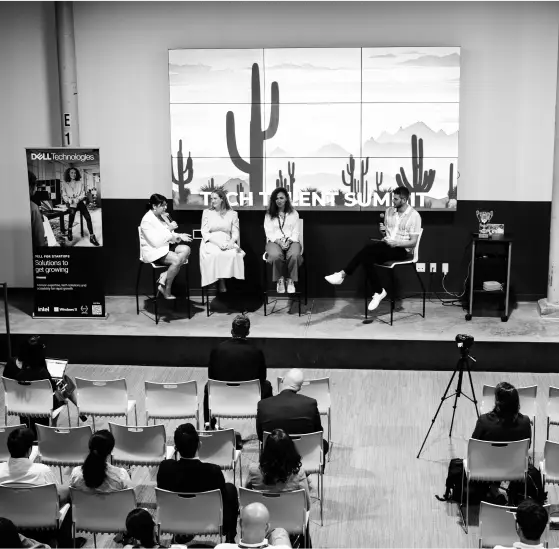
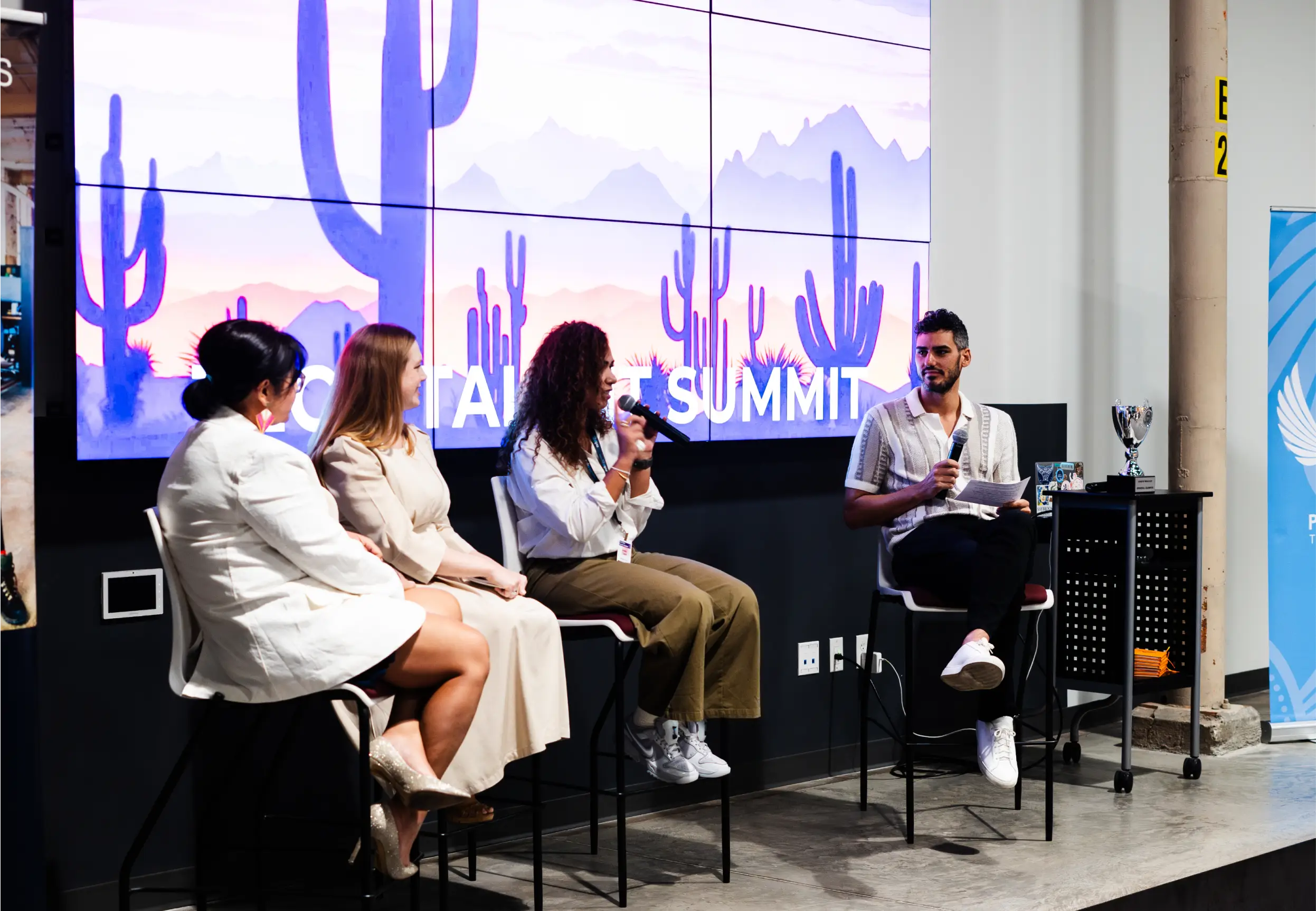
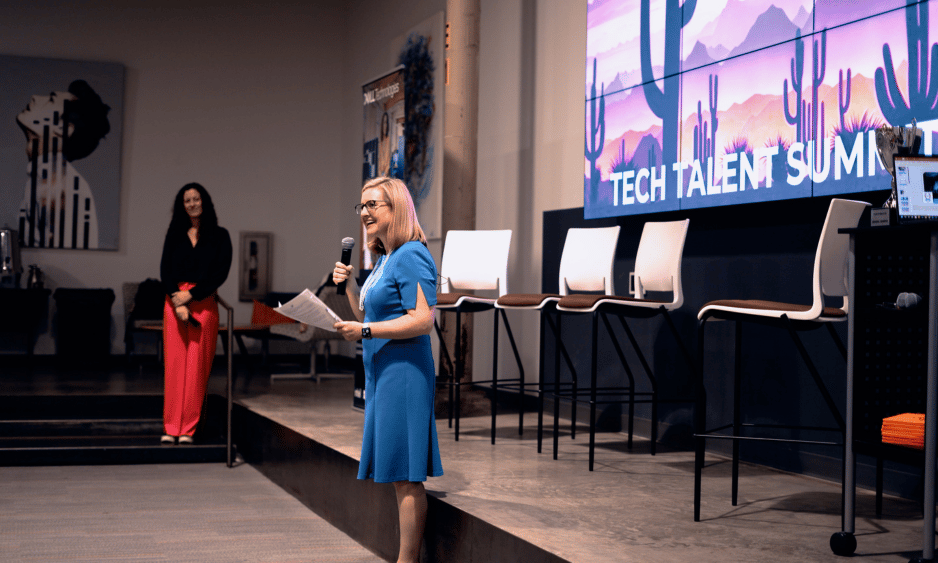
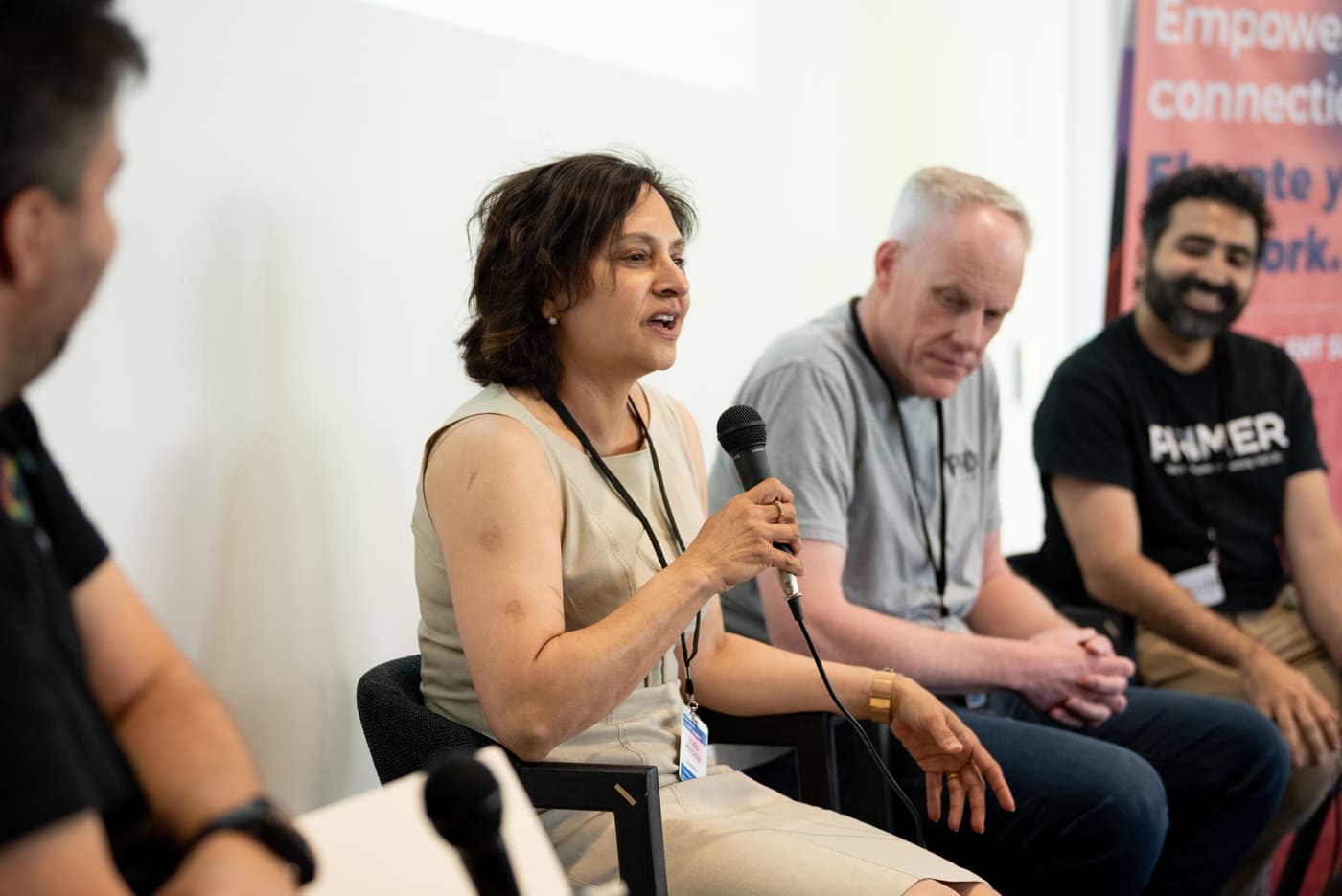
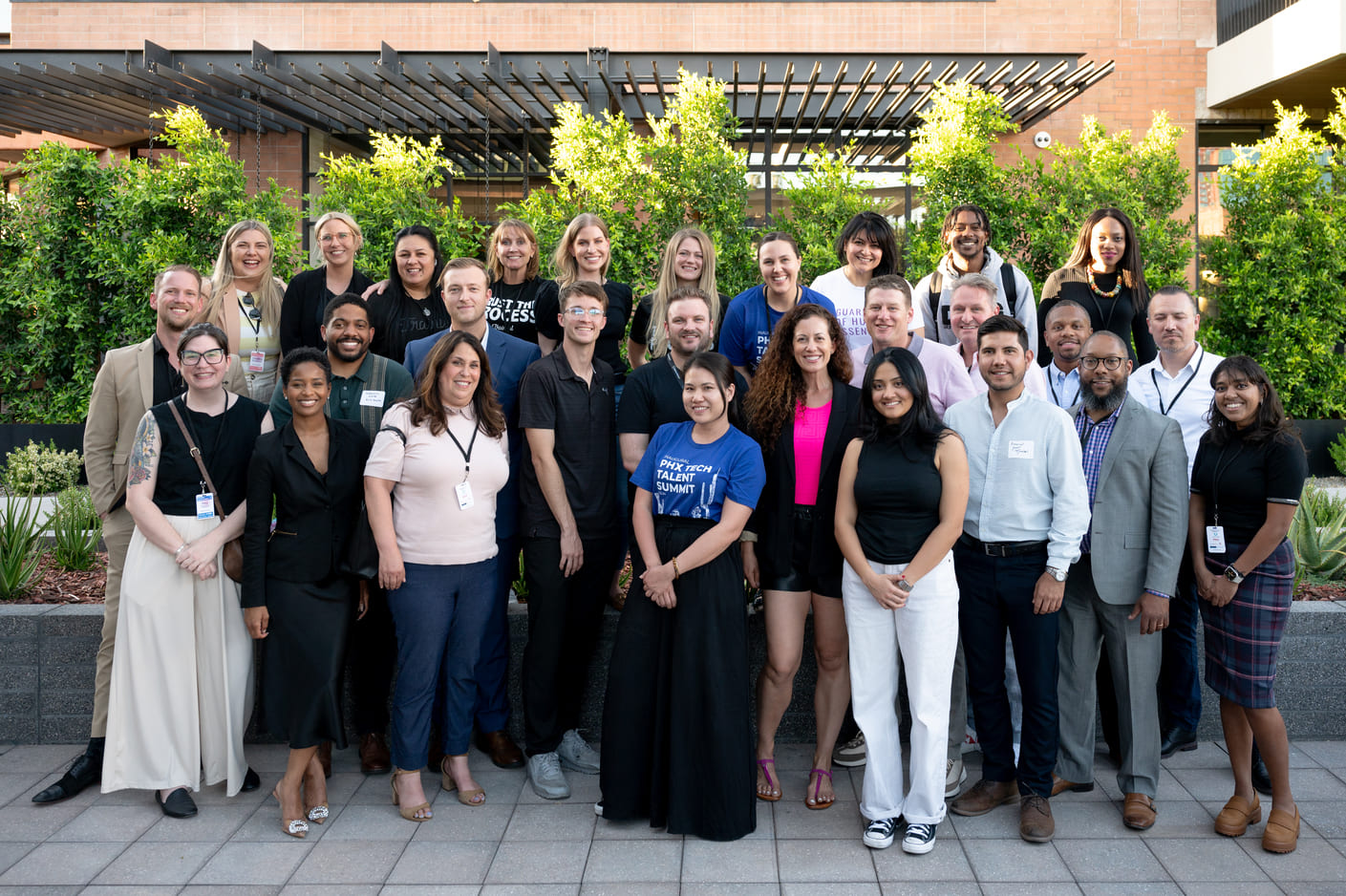
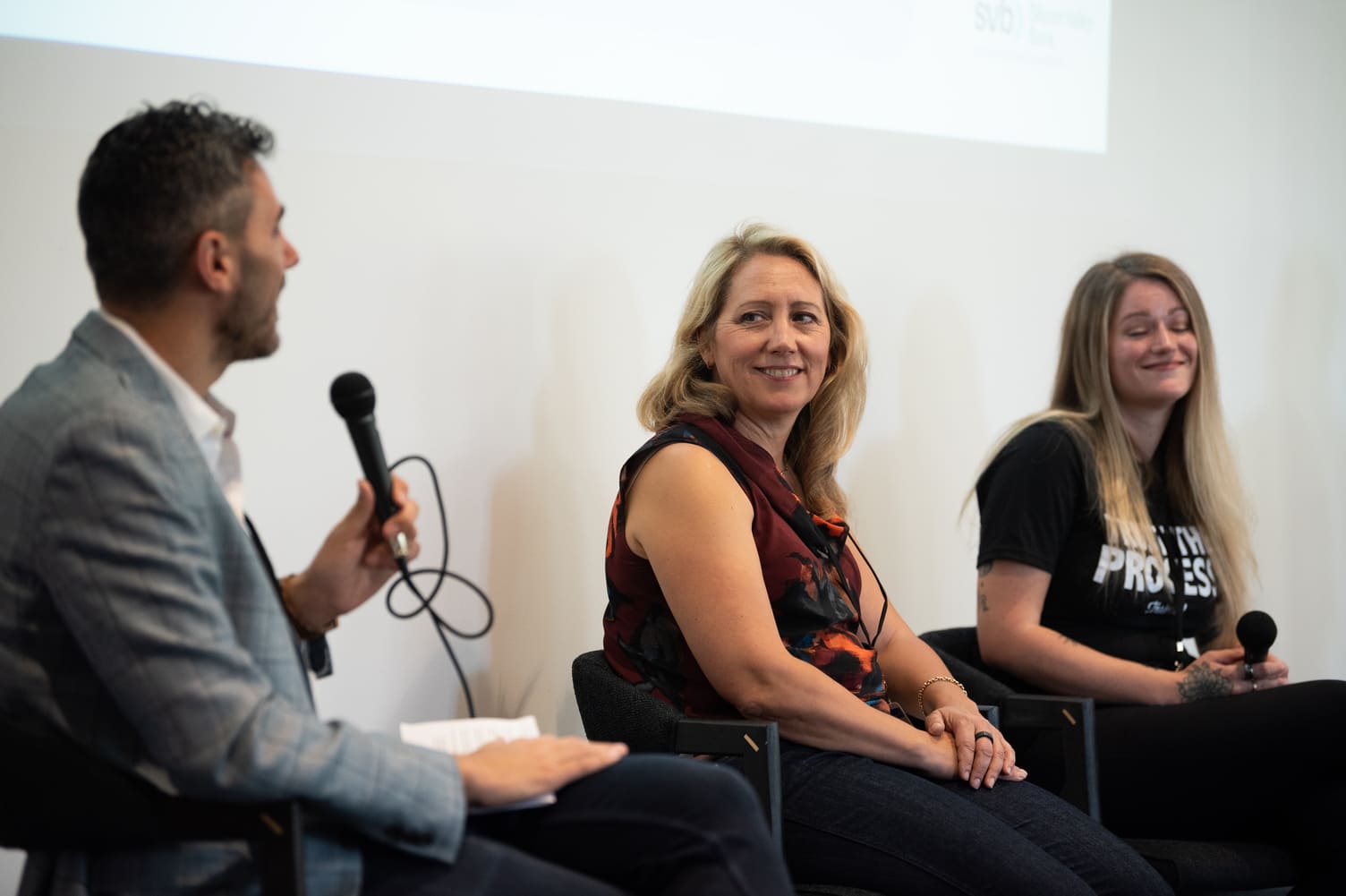
If you want to see how the pavilion fits into our broader approach, the best starting point is the Tech Talent Summit page. The pavilion is one of the ways we bring Talent, Capital & Community into the same room with enough intention that you can actually measure what happened after.
You should get more than “visibility.” I say that as someone who loves good design and good brand moments, but also knows they don’t pay off unless they lead to relationships that continue.
Here are outcomes partners most often prioritize, plus what a pavilion format does better than a typical conference booth.
The key is clarity. If you tell me what job this sponsorship needs to do for your team, I can help design touchpoints that produce outcomes you can track, not just a nice-looking recap.
If you’re coming from traditional events, it’s tempting to default to booth traffic, badge scans, and “how many people saw us.” Those numbers are easy to pull, and they can still be useful, but they’re not the point.
In the Phoenix tech ecosystem, momentum comes from repeated connection and trust. Your better KPI is the count of qualified next steps created and completed.
If you want a practical breakdown of measuring outcomes, I’d point you to our piece on Maximizing Event Sponsorship ROI: Data-Driven Wins for Tech Partners. It’s the same shift I coach sponsors through: stop asking “did they see us?” and start asking “did the right conversations move forward?”
For most phoenix tech event partners, your cleanest pavilion metrics look like:
People use these terms interchangeably, so here’s how I explain it in plain language.
A startup showcase sponsorship is usually focused on the pavilion experience itself: founder access, demo flow, and curated conversations. A broader summit sponsorship is more about ecosystem positioning across the whole day.
Both can work. If you’re new to this ecosystem, pavilion-first can be the smarter entry point because the outcomes are easier to define and easier to execute. Then you can expand once you see the compounding effect of showing up repeatedly in Trusted Community.
Founders will happily take the swag, and yes, a good photo moment helps. But if you want to be a sponsor founders respect, you need to bring something that moves their work forward.
Here’s what founders tend to value most, even if they don’t always ask for it directly:
That last one is where most sponsorships fall short. The day can be great, and the impact still evaporates if follow-up is left to chance. If you want a simple system that works in Phoenix specifically, read our guide on building a networking follow-up system that turns Phoenix intros into real meetings.
The best activations respect founder time. They also create value for people you never speak to directly, because the structure itself raises the signal of the room.
Here are formats that tend to work well in a pavilion:
You’ll notice the pattern. Less hype, more constraints. Constraints make it easier for founders to prepare and easier for your team to deliver.
If you want founder participation to be strong, build the sponsorship backwards from founder needs. Ask yourself one question before you ask for anything: What will a founder be able to do after this that they could not do before?
Here’s a checklist I use when I’m helping partners shape a package that founders say yes to, while still being a win for you:
When sponsorship is designed like this, founders show up prepared, your team knows what to do minute by minute, and the pavilion becomes a room that compounds year over year.
At Freeway, I treat sponsorship as a partnership model that builds ecosystem infrastructure. That’s not a tagline. It’s a filter. It affects how we design the room, how we set expectations, and how we follow up.
In Arizona, coordination and intentional design beat one-off hype. That philosophy is the heart of why I started Freeway and how I think about long-term ecosystem growth. If you want the deeper context, you can read my perspective in Increasing Arizona’s Venture GDP.
And if your team is also trying to understand the broader map of who’s who in the market, that’s exactly why we’re building the Freeway Dashboard as a visibility layer for jobs, investors, companies, and capital. You’ll see more about our work and approach across the year on the Freeway site.
What does a startup pavilion sponsor typically receive?
You usually receive a mix of brand presence, curated access to founders, activation time such as office hours or a session, and structured pathways to follow up. The best package is built around your real goal: hiring, pilots, partnerships, or ecosystem leadership.
How is a startup showcase sponsorship different from a booth at a conference?
A booth is designed for foot traffic. A startup showcase sponsorship is designed for outcomes: qualified conversations, structured feedback, and follow-through. The pavilion format is meant to create context and momentum, not just visibility.
What makes a great tech talent summit sponsor in Phoenix?
You show up with a point of view, an activation that’s genuinely helpful, and a commitment to the community beyond one day. In Phoenix, credibility compounds when people see you repeatedly contributing to Trusted Community.
How can phoenix tech event partners measure ROI without relying on badge scans?
Track qualified next steps: meetings booked, pilots discussed, interviews scheduled, and partnerships that progress 30 to 90 days later. Set those metrics before the event so your team executes with intention.
What do founders want most from sponsors?
Warm pathways to customers, credible signal, feedback tied to real constraints, talent visibility, and consistent follow-through. Founders don’t need more noise. They need fewer, better next steps.
If you step in as a startup pavilion sponsor, you’re sponsoring access, structure, and follow-through. You’ll still get visibility, but the bigger win is trust. Trust turns into conversations that continue. Those conversations turn into hires, pilots, and partnerships over time.
If you want to explore partnership options tied to the Startup Pavilion and the broader Tech Talent Summit experience, I’ll help you choose a lane that fits your goals and respects founder reality. Show up with intention, measure what matters, and help us keep building the rooms where talent meets capital and community.






























.png)


.png)
.png)
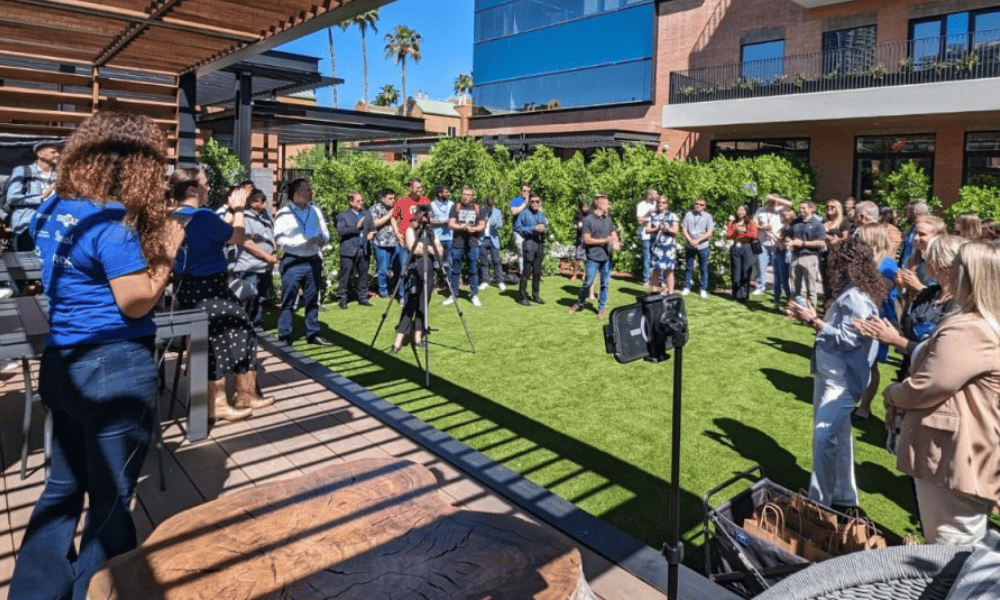


Where talent meets capital and community




















.png)