
Moving to Phoenix as founder looks easy on paper. You find a place, you pick a few events, you meet some people, and things should click. In real life, Phoenix is relationship-driven and spread out across pockets, so your first month can either build real momentum or turn into a blur of “nice to meet you” conversations that go nowhere.
I’m Daniela, and I built Freeway because I kept watching talented builders land here and waste time hunting for signal. Phoenix has the people and the opportunities. What’s missing is often the map and the cadence. Use this 30-day on-ramp plan to get oriented, build a Trusted Community faster, and start making moves that actually stack.
If you do one thing before you unpack a box, make it this: get specific about what you’re here to learn and who you need to meet. “I’m networking” is too vague to be useful. Phoenix rewards founders who show up with a point of view and a short list of bets.
Here’s a simple pre-arrival setup I recommend:
When you want a fast way to see how the city is organized, start with the Freeway Dashboard. It’s built to function like an ecosystem map: companies, investors, accelerators, jobs, and activity, all in one place, so you’re not guessing which rooms matter.
Then define what “traction by Day 30” means for you. Keep it grounded. In Phoenix, traction might look like:
You’re not trying to collect contacts. You’re trying to build momentum you can repeat.
Week one is for translation. The Phoenix startup ecosystem is real, but it doesn’t behave like a single downtown scene where you bump into everyone at the same two spots. You’ll get farther, faster when you understand the local connective tissue: who convenes, who’s a builder, who’s a bridge, and what people mean when they reference certain programs or communities.
To shorten that learning curve, skim the Phoenix Startup Ecosystem Glossary early. Not because you need homework, but because it helps your first meetings feel like real conversations instead of decoding sessions.
Next, book five conversations that are not sales calls. This is where most people rush and get it backward. In your first week, prioritize:
Keep your questions consistent so you can spot patterns:
By the end of Day 7, you want three things nailed down:
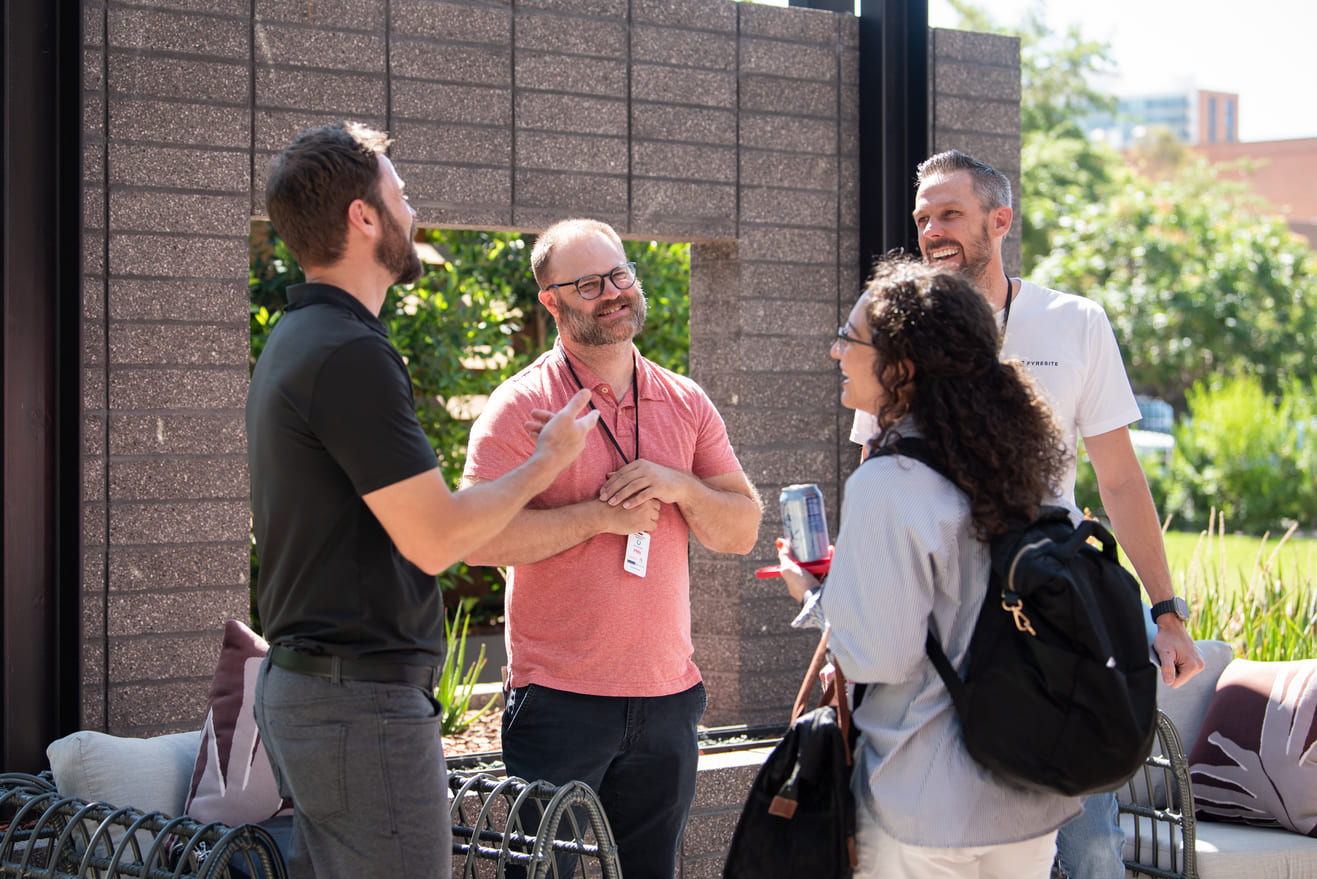
Week two is where you stop “checking out Phoenix” and start participating in it. I’ll be blunt: one-off events can be fun, but they rarely change your trajectory. Repeated connection does. That’s how you earn trust here, and trust is what turns introductions into real collaboration.
Pick one recurring touchpoint you can commit to weekly or biweekly. Treat it like a standing meeting with the market. You’re not showing up to pitch. You’re showing up to become a known quantity.
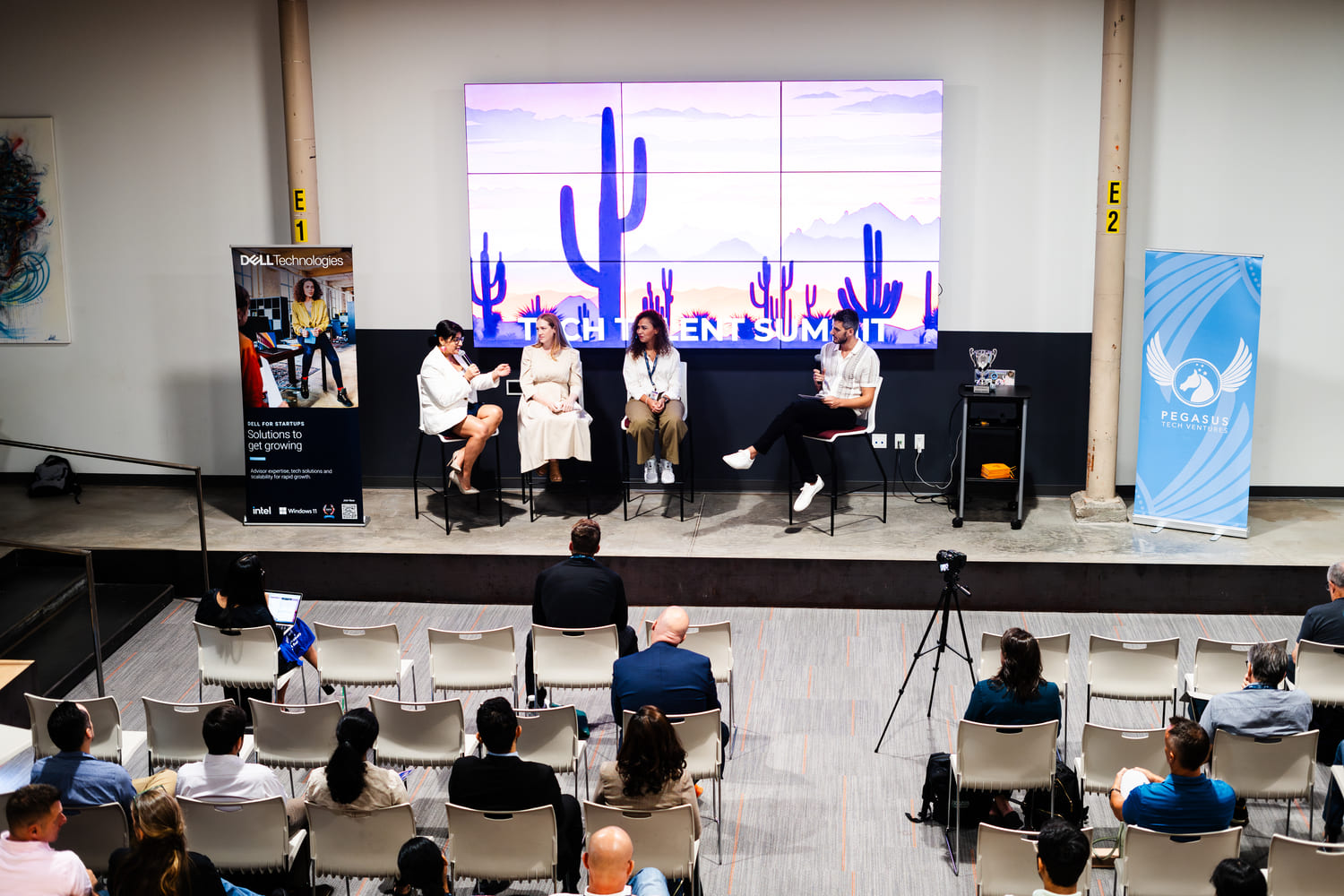
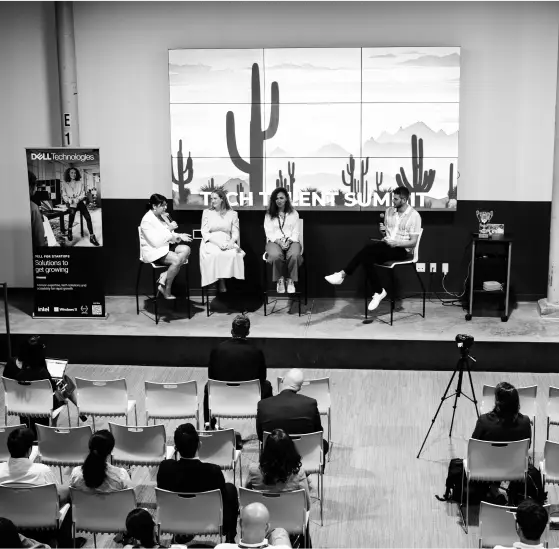
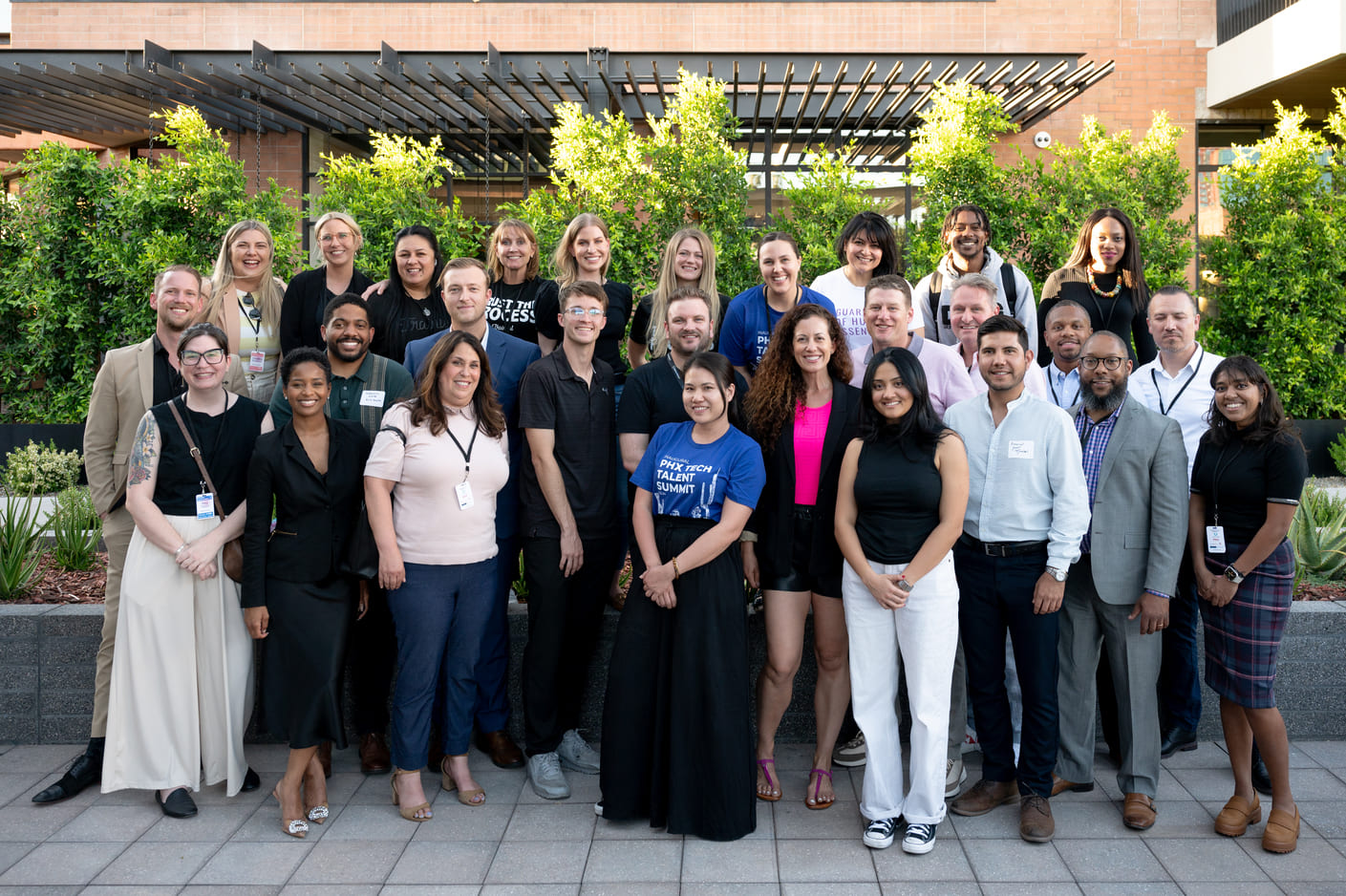
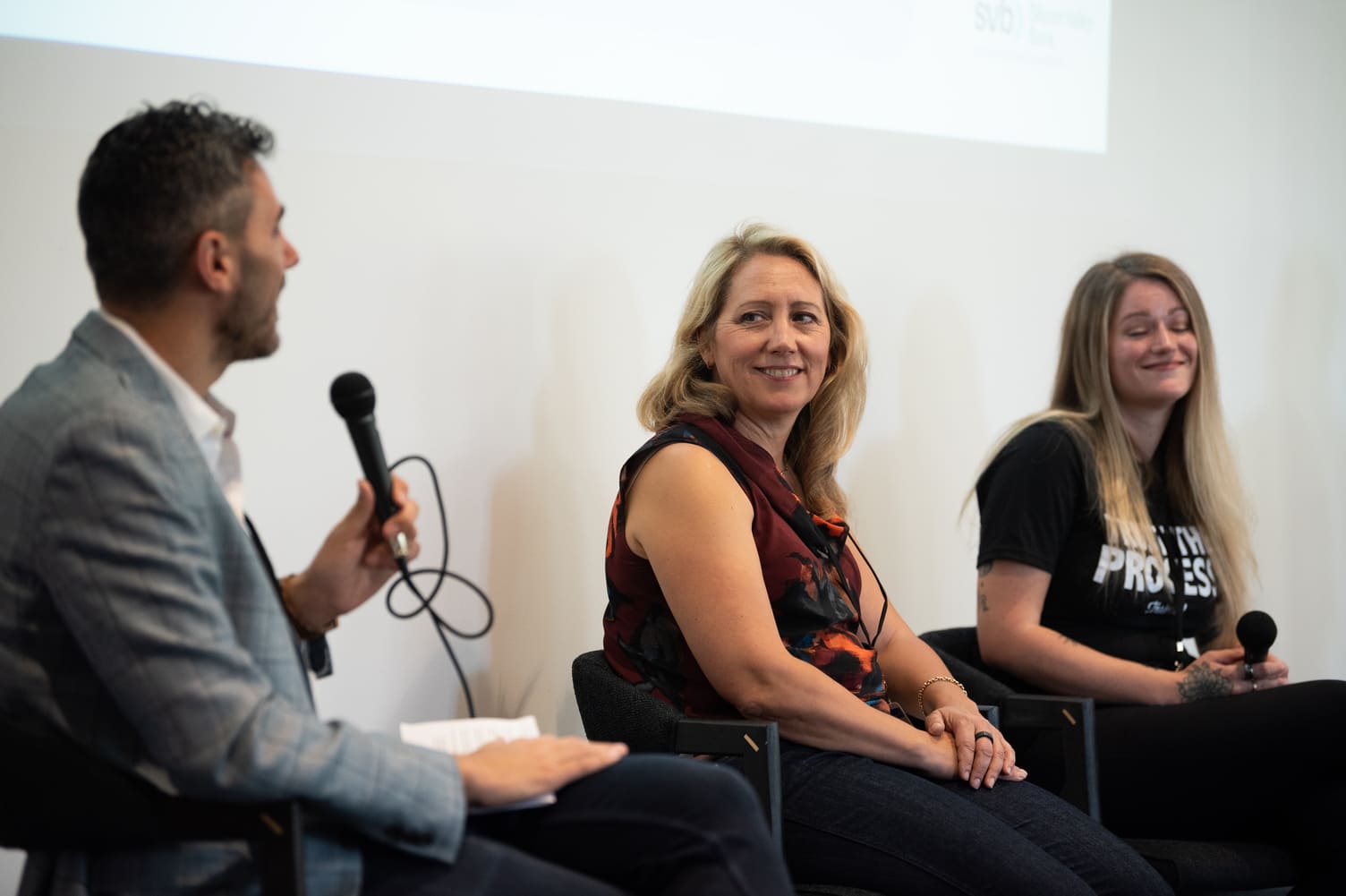
If your timing lines up with Arizona Tech Week, prioritize high-signal convenings, especially the Tech Talent Summit. I designed it around Talent, Capital & Community because founders don’t live in one lane. You might come for hiring, then realize your next best move is a partnership. Or you might learn your pricing is off because you finally talked to the right operator.
Bring a specific ask that people can actually respond to. A few that work well:
A quick behavior note, because it matters:
Follow up within 24 hours, even if it’s short. In Phoenix, consistent follow-through is a bigger flex than a flashy deck.
Week three is where you start turning context into execution. Phoenix has real industry gravity, and you’ll move faster when you align with it instead of trying to force a generic playbook.
If you’re building B2B, get clear on where customers, talent, and capital actually cluster. I wrote Phoenix B2B SaaS: Where Customers, Talent, Capital Cluster for exactly this moment, when you’re ready to stop wandering and start targeting.
Here’s a practical Week 3 workflow:
On the talent side, be honest about what you need in the next 90 days. Moving cities while building a company is a lot. I’ve watched founders over-hire because they’re overwhelmed, or under-hire because they’re trying to be “scrappy” when the real problem is decision drag.
If your week is getting eaten by cross-functional follow-ups and the same decisions keep coming back around, you may be approaching the moment for a strategic operator hire. This guide on when to make a Chief of Staff hire can help you pressure-test whether that’s a real need or just temporary chaos.
In the last week, you’re not trying to cram in more events. You’re turning your notes into a plan you can run. This is where Arizona founder resources start to matter, but only if you line them up to support your strategy.
Start by choosing your capital lane for the next quarter. Phoenix has angels, seed funds, and founder-friendly non-dilutive pathways, plus strong university and civic-adjacent support if you know where to look. If grants are relevant to what you’re building, get the basics straight from the source with the SBIR program overview. It’s a clear entry point for timelines, eligibility, and how the federal pathway works before you add local layers.
Zooming out for a second: ecosystems aren’t just vibes. They’re economic infrastructure. I shared my perspective on why coordination matters in Increasing Arizona’s venture GDP. If you’re a founder building here, that context helps. You’ll see why Talent Visibility, shared rooms, and real community design are not “nice to have.” They change outcomes over time.
Close out Day 30 with a simple 90-day memo to yourself. Keep it short enough that you’ll actually use it:
Then send a quick update to the five people who helped you most in your first month. Not a newsletter. A real note. That small habit builds your Trusted Community faster than any “networking strategy.”
How fast can you build real relationships in the Phoenix tech community?
If you show up weekly in the same rooms and you follow through, you can build a meaningful inner circle in 30 to 60 days. Phoenix tends to reward consistency and contribution more than splashy first impressions.
What should you do first to understand the Phoenix startup ecosystem?
Pick a cluster to focus on, learn the local vocabulary, and take five non-sales meetings with community builders and founders. Use the Freeway Dashboard as your map so you’re not guessing where the signal is.
Do you need to move downtown to succeed as a founder in Phoenix?
No. The Phoenix startup ecosystem is distributed across Phoenix, Tempe, and Scottsdale. What matters more is choosing a home base you’ll actually use and building a weekly rhythm so people see you more than once.
What are the most practical Arizona founder resources to explore early?
Start with ecosystem mapping, operator introductions, and any non-dilutive funding that fits your stage. If you’re exploring grants, the SBIR program overview is a solid place to understand the rules of the road before you invest serious time.
Moving to Phoenix as founder is less about doing everything and more about doing the right things often enough that trust can form. When you focus on repeated connection, clear asks, and cluster-aware execution, the Phoenix tech community becomes easier to navigate and a lot more generous with real support.
If you want a cleaner on-ramp into Phoenix’s tech ecosystem, Freeway is here to help you find the rooms and relationships that fit your stage, where talent meets capital and community.



































.png)


.png)

.png)




Where talent meets capital and community





























.png)


.png)
.png)